Israeli airstrike in southern Lebanon kills at least 13 members of State Security amid escalating conflict
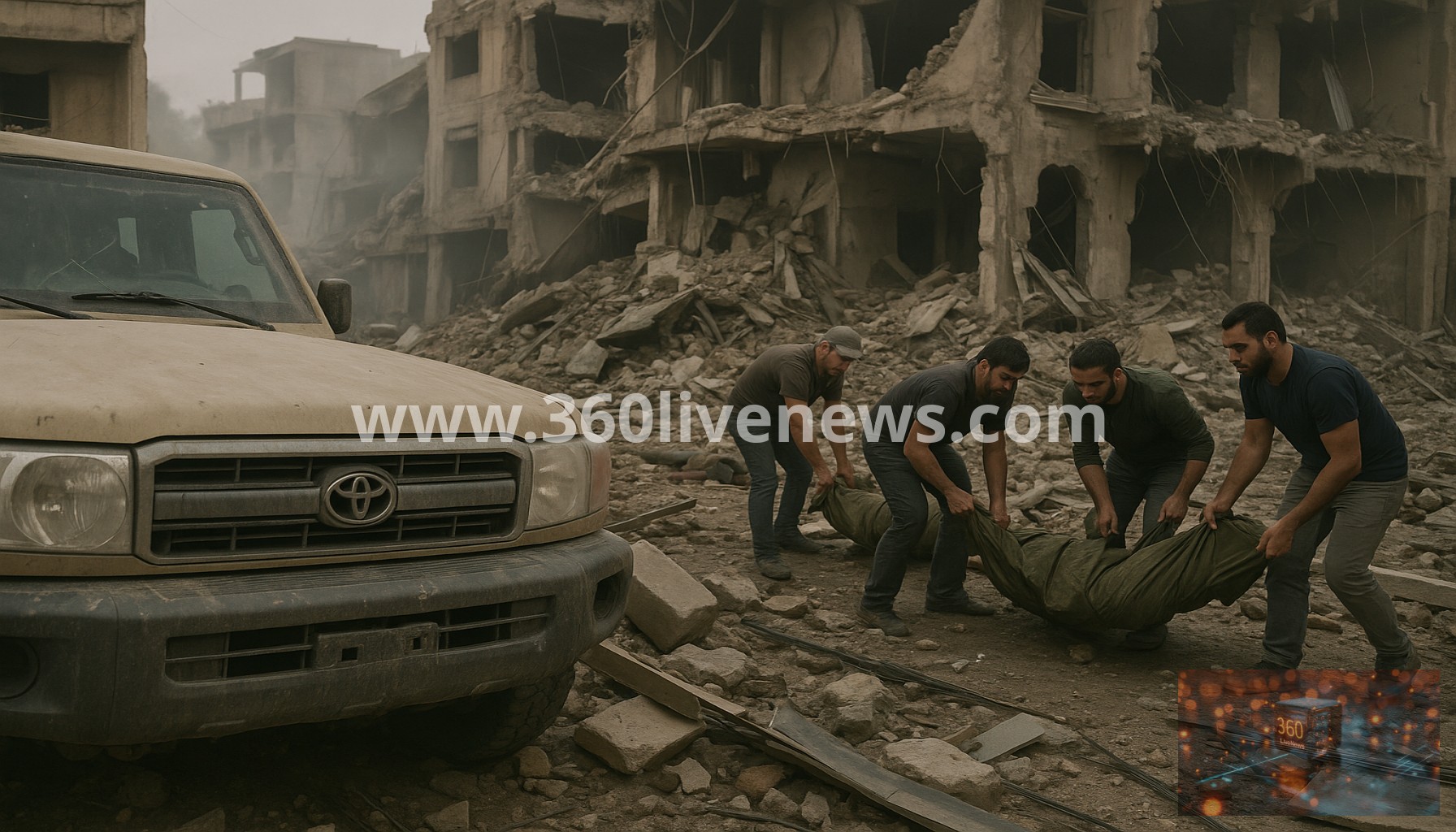
The ongoing conflict between Israel and Lebanon has intensified recently with a series of aggressive military actions resulting in significant casualties and damage. An Israeli airstrike on a government building in Nabatieh, southern Lebanon, has reportedly killed at least 13 members of the Lebanese State Security agency. This airstrike occurred amid heightened tensions and following a declaration by Israeli Prime Minister Benjamin Netanyahu regarding the initiation of direct talks with Lebanon.
In a separate but related context, Hezbollah retaliated by firing a barrage of rockets at northern Israel, which damaged a 1,500-year-old Byzantine church in Nahariya. These developments come after a lengthy period characterized by heavy Israeli bombardment across Lebanon, marking a significant escalation in violence in the region.
The airstrike on Nabatieh, an area recognized for its strategic significance, reflects Israel's ongoing military operations intended to neutralize perceived threats from Hezbollah, a major political and military force in Lebanon. The Lebanese authorities confirmed the attack and the resultant casualties, highlighting the growing danger to their security forces.
Hezbollah's response, targeting Israel with rockets, underscores their military capabilities and willingness to engage in direct confrontation. The 1,500-year-old church that suffered damage is not only a religious site but also a historical landmark, exacerbating the cultural implications of the conflict. This round of violence appears to serve both strategic and political purposes for Hezbollah and Israel alike, as each side seeks to assert its strength.
Previously, discussions between Israel and Lebanon had included attempts at negotiation to reduce tensions over border disputes and security arrangements. For instance, both nations have engaged in indirect talks mediated by international powers aimed at addressing issues related to maritime boundaries and resource rights in the Mediterranean Sea. However, the escalation in military action suggests that dialogue has not mitigated deep-seated hostilities.
Israel’s military doctrine historically centers on preemptive strikes to deter threats from its neighbors, particularly Hezbollah, which has been involved in numerous conflicts with Israel in the past. The Israeli Defense Forces (IDF) maintain a robust operational posture along the Lebanese border, ready to respond to any form of aggression. The recent strikes demonstrate Israel's resolve to maintain this posture despite ongoing diplomatic overtures.
For its part, Hezbollah, supported by Iran and armed with advanced munitions, has positioned itself as a formidable opponent to Israeli military incursions. The group’s ability to launch rocket fire at significant distances into Israeli territory speaks to the evolving military landscape in the region, challenging longstanding perceptions of Israel’s military superiority.
The backdrop of these military exchanges is critical. For years, Lebanon has been grappling with internal instability, compounded by the effects of the Syrian Civil War and a faltering economy. The response of Hezbollah can be analyzed through the lens of national sentiment, as the group garners support for its stance against Israel, positioning itself as a defender of Lebanese sovereignty and rights. This narrative resonates strongly with sections of the Lebanese populace who perceive the conflict with Israel as central to national identity.
The international community watches these developments with grave concern, recognizing that the situation could further destabilize not just Lebanon but the entire region. The implications of continued conflict are far-reaching, involving humanitarian crises, geopolitical realignments, and international diplomatic efforts to mediate peace. As Israeli and Lebanese officials navigate their complex relationship, the cycle of violence raises the stakes for both parties and further complicates peaceful resolution efforts.
As these events continue to unfold, further assessments by military analysts and political commentators will be pivotal in understanding the evolving dynamics between Israel and Lebanon. The potential for escalation invites serious considerations regarding international intervention or peacebuilding measures, highlighting that a durable solution remains elusive amid this ongoing conflict.
#Israel #Lebanon #Hezbollah #airstrike #rocketattack #Nabatieh #negotiations #MiddleEastTensions