Ceasefire negotiations between Iran and Israel intensify as Vice President Vance engages with Iranian officials in Pakistan
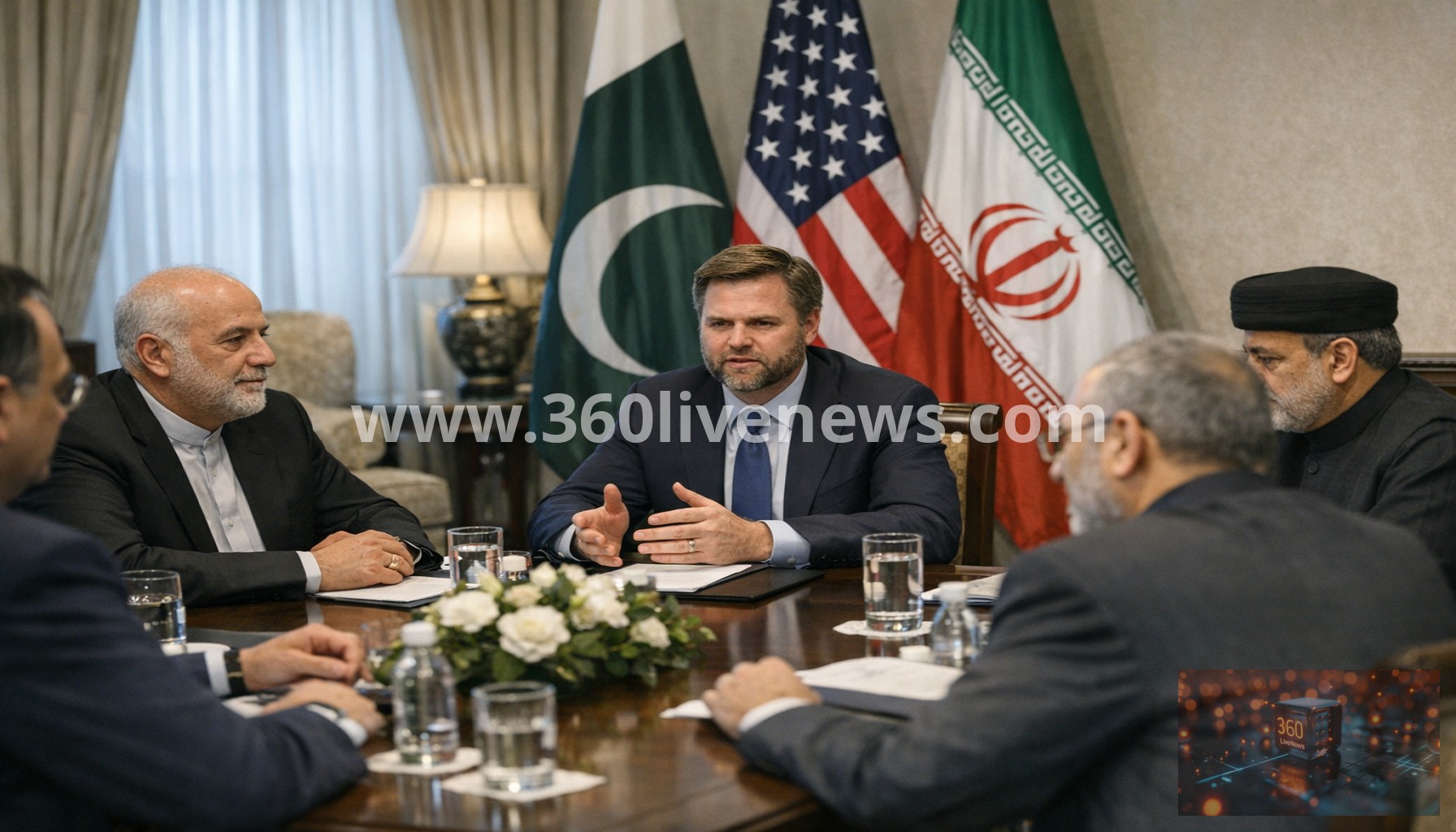
As tensions escalate in the Middle East, ceasefire negotiations between Iran and Israel are intensifying, with Vice President JD Vance traveling to Pakistan to engage with Iranian officials. This diplomatic initiative comes at a critical juncture, as the conflict surrounding Israeli attacks in Lebanon has resulted in significant casualties and humanitarian concerns.
Recent reports from the Lebanese Health Ministry indicate that the total number of individuals killed in Israeli assaults on Lebanon has risen to 1,953, with an additional 6,303 people reported as wounded since the onset of the recent violence on March 2. These escalating casualty figures underscore the dire situation facing Lebanese civilians as the conflict continues unabated.
The ongoing hostilities have prompted international calls for a ceasefire. The immediate backdrop for these discussions is the precarious ceasefire arrangement originally reached by former President Trump. However, this agreement now appears threatened as military actions persist, complicating efforts to stabilize the region. Vice President Vance's meetings are part of broader diplomatic efforts aimed at salvaging the fragile peace.
Secretary of State Antony Blinken has previously emphasized the need for a coordinated response from key global players, including efforts from the United Nations. The UN’s involvement is considered vital as international institutions strive to mediate and provide humanitarian support to the affected areas.
This latest development reflects the complex interplay of regional politics, with Iran asserting its influence across the Levant amid Israel's military campaigns. The situation is further complicated by the roles of external actors, including the United States, which continues to navigate its relationships with both Iran and Israel in an increasingly volatile context.
Historically, Lebanon has struggled with the repercussions of Israeli military operations, often drawing sharp responses from Iran, particularly through its support of groups like Hezbollah. This dynamic reflects broader tensions between Iran's regional ambitions and Israel's security concerns. The Iranian government has portrayed its involvement as a means of defending Lebanese sovereignty against external aggression, framing the narrative in a context of resistance.
Furthermore, the ongoing violence has heightened fears of a humanitarian crisis in Lebanon. Aid organizations have called for increased support and protection for civilians, emphasizing the urgent need for medical assistance and basic necessities in war-torn regions. Without a ceasefire, the humanitarian impact is poised to widen, potentially displacing even more civilians and overwhelming local resources.
With negotiations underway, the outcome remains uncertain. While diplomatic channels have been open, the reality on the ground continues to stoke fears of further escalation. Analysts caution that any breakdown in talks could exacerbate hostilities, potentially leading to wider regional instability. The stakes are especially high as the priority for international negotiators is not only to halt current hostilities but also to lay the groundwork for long-term peace solutions.
The geopolitical implications of these events are profound, as they could reshape alliances and influence future military engagement strategies. The intersection of military actions and diplomatic negotiations in this context will require acute attention from international observers and policymakers alike, particularly as stakeholders assess the potential for broader conflicts arising in adjacent areas.
#MiddleEast #ceasefire #Iran #Israel #Lebanon #PakistaniDiplomacy #humanitariancrisis #USPolicy