US Navy initiates blockade of Strait of Hormuz following failed US-Iran negotiations
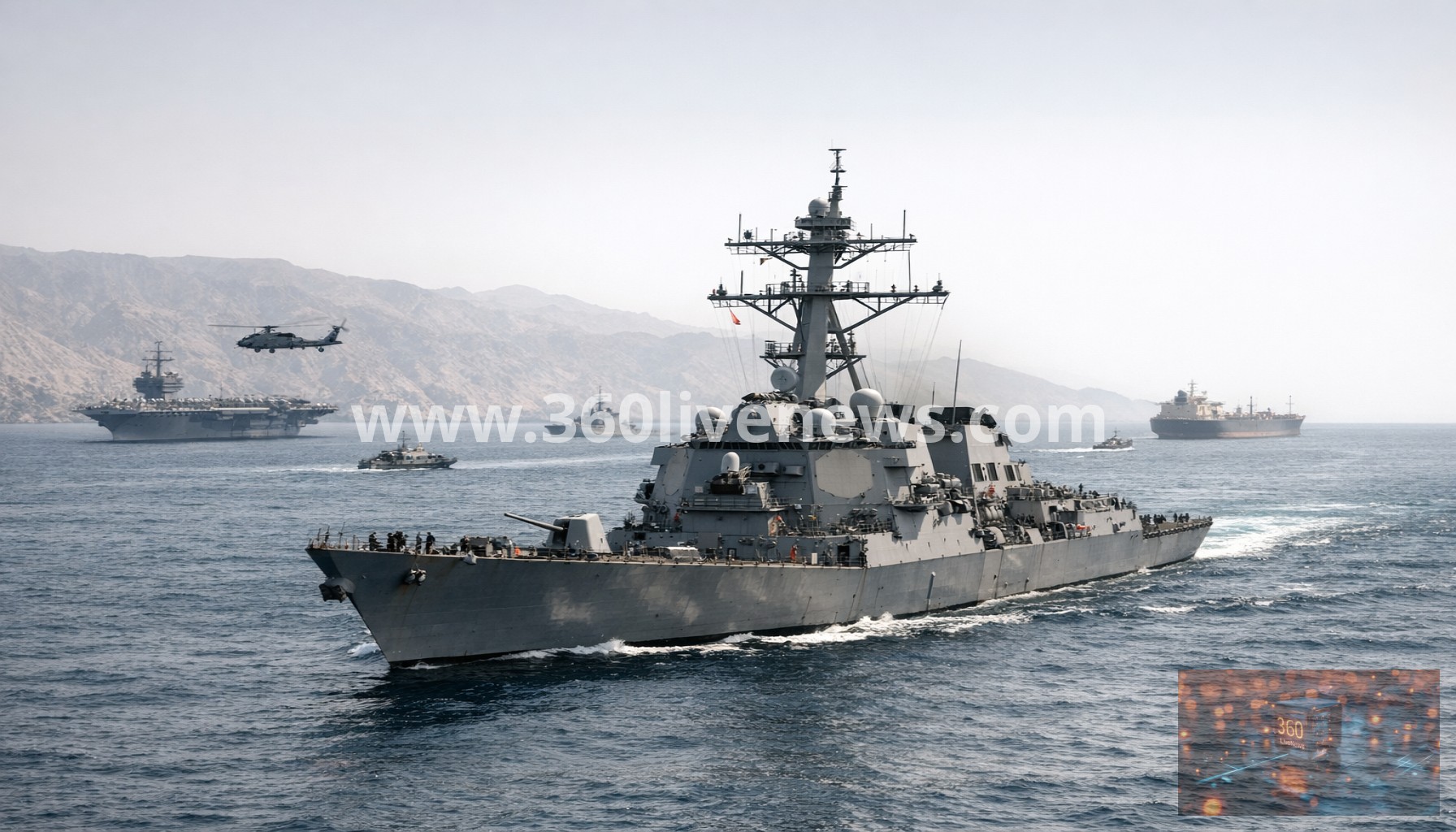
The United States Navy has commenced a blockade of the Strait of Hormuz, effective immediately, following unsuccessful peace talks between the US and Iran in Islamabad.
President Donald Trump announced the naval blockade and interdiction of vessels that have paid tolls to Iran for passage through the strategic waterway.
The blockade order was issued after Iran failed to agree to terms regarding its nuclear program during high-level negotiations involving US Vice President JD Vance and Iran's parliamentary speaker Mohammad Bagher Ghalibaf.
The talks, described as a marathon session, ended without a deal.
President Trump stated that the US Navy would interdict any vessel in international waters that had paid Iran for passage through the strait.
He also warned that any Iranian forces firing upon US or peaceful vessels would face severe retaliation.
The US military has begun mine clearance operations in the strait, following reports that Iran had laid mines in the waterway.
The Strait of Hormuz is a critical maritime chokepoint through which approximately one-fifth of the world's crude oil passes.
The blockade represents a significant escalation in tensions between the US and Iran, with potential implications for global energy supplies and regional security.
During the talks in Islamabad, Iran's delegation included Foreign Minister Abbas Araghchi alongside parliamentary speaker Ghalibaf.
Despite progress on several points, Iran remained unwilling to relinquish its nuclear ambitions, which was cited by the US as the primary obstacle to an agreement.
President Trump emphasized that Iran's actions amounted to "world extortion" by charging tolls for passage through the strait and selectively allowing transit.
He indicated that the US would not permit Iran to profit from oil sales to preferred countries and that the blockade would be comprehensive.
The US Navy's blockade aims to prevent any ships from entering or leaving the strait unless they comply with the new restrictions.
