Iran Promises Retaliation After Assassination of Supreme Leader Khamenei in US-Israeli Strike
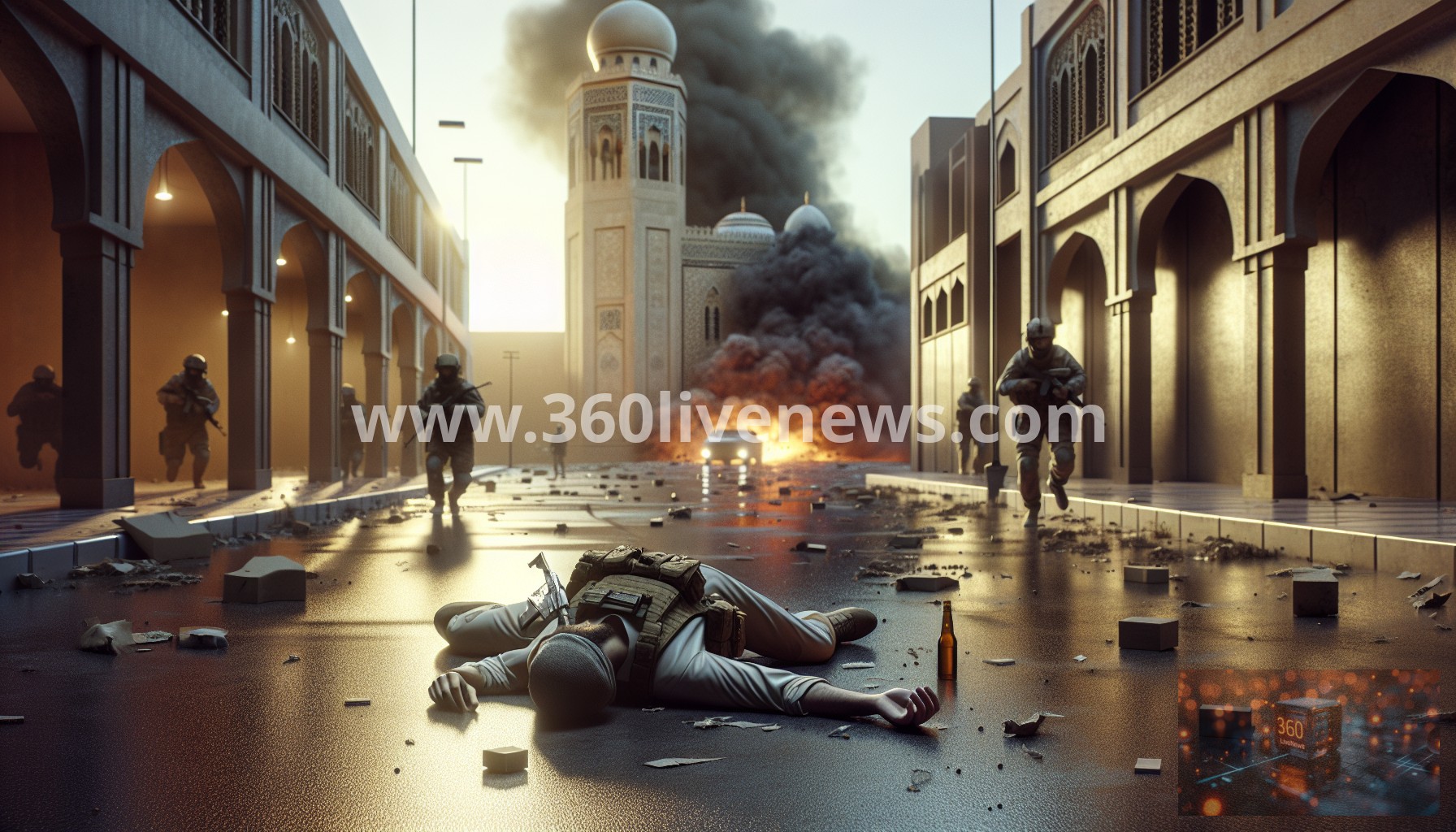
An intensifying conflict has erupted in the Middle East after the assassination of Supreme Leader Ayatollah Ali Khamenei in a recent US-Israeli strike. In the wake of this significant and provocative event, Iran has promised to execute its "most intense operation" in retaliation, exacerbating already heightened tensions across the region. This incident has added to an atmosphere of instability affecting multiple Gulf states, leading to urgent warnings for foreign nationals, including a notable number of Irish citizens.
On Sunday, a strike in Beit Shemesh, a city near Jerusalem in Israel, resulted in the deaths of at least nine individuals, with 28 others confirmed injured, as reported by Israel's Magen David Adom rescue service. Ongoing rescue operations are searching for any additional victims from what has been classified as a significant explosion. Civilians in Tel Aviv reported hearing loud blasts, likely due to missile interceptions or impacts, indicating a high state of alert in the region.
Further complicating the situation, explosions have also been reported in Tehran, signaling that Israel is committed to its declared strategy of conducting "non-stop strikes" against Iranian leaders and military targets. In a rapid series of actions reminiscent of historical conflicts, both nations appear to be locked in a dangerous cycle of retaliation following the killing of Khamenei. Experts suggest that the Iranian response, which includes targeting military and strategic locations, could lead to an extended conflict.
Against this backdrop, the Irish Minister for Foreign Affairs, Helen McEntee, highlighted critical safety concerns, urging approximately 20,000 Irish citizens in Gulf states to remain sheltered and to avoid land routes. This number reflects a significant expatriate presence in the region, which includes many young professionals and workers. McEntee underscored that the current instability posed by the conflict is unprecedented and requires immediate caution for those residing and traveling within the Gulf.
Compounding the crises, numerous individuals are reportedly stranded throughout the region due to the fallout from these ongoing military escalations. Residents in Dubai, where the impact of missile fire was felt in the form of damaged infrastructure, expressed concerns over the safety of international travel, particularly as major tourism and business hubs are now embroiled in the conflict. Local accounts described missile interceptions taking place over residential areas, heightening public anxiety.
The geopolitical implications of this conflict extend beyond immediate military actions. The fallout from Khamenei’s assassination is likely to affect Iran’s relations with its allies and adversaries alike, particularly as the nation gears up for what it describes as retaliatory operations. The Middle East has a history of complex alliances, and this incident threatens to reshape the existing frameworks of cooperation and conflict.
Political analysts suggest that a stronger Iranian military response is expected, potentially drawing in multiple actors from various countries in the region, including the United States and others, who may feel compelled to intervene in the escalating hostilities. The international community continues to watch closely, as developments may have lasting impacts on global stability.
The role of the United States in this scenario, having already faced backlash for the attack, may further complicate its position in the region. The outcomes of these retaliatory strikes will reverberate, influencing diplomatic efforts and the balance of power within the Gulf Cooperation Council (GCC) and affecting how countries respond to future crises.
As the situation evolves, it is crucial for the global community to monitor these developments closely, as the potential for further escalation remains high. The shifting dynamics present not only immediate challenges but also the prospect of enduring impacts on geopolitical stability and international relations.
#Iran #Israel #MiddleEast #GulfStates #Retaliation #InternationalRelations #Expatriates #Geopolitics
