Iran Launches Retaliatory Strikes Following US-Israel Airstrikes That Killed Supreme Leader Khamenei
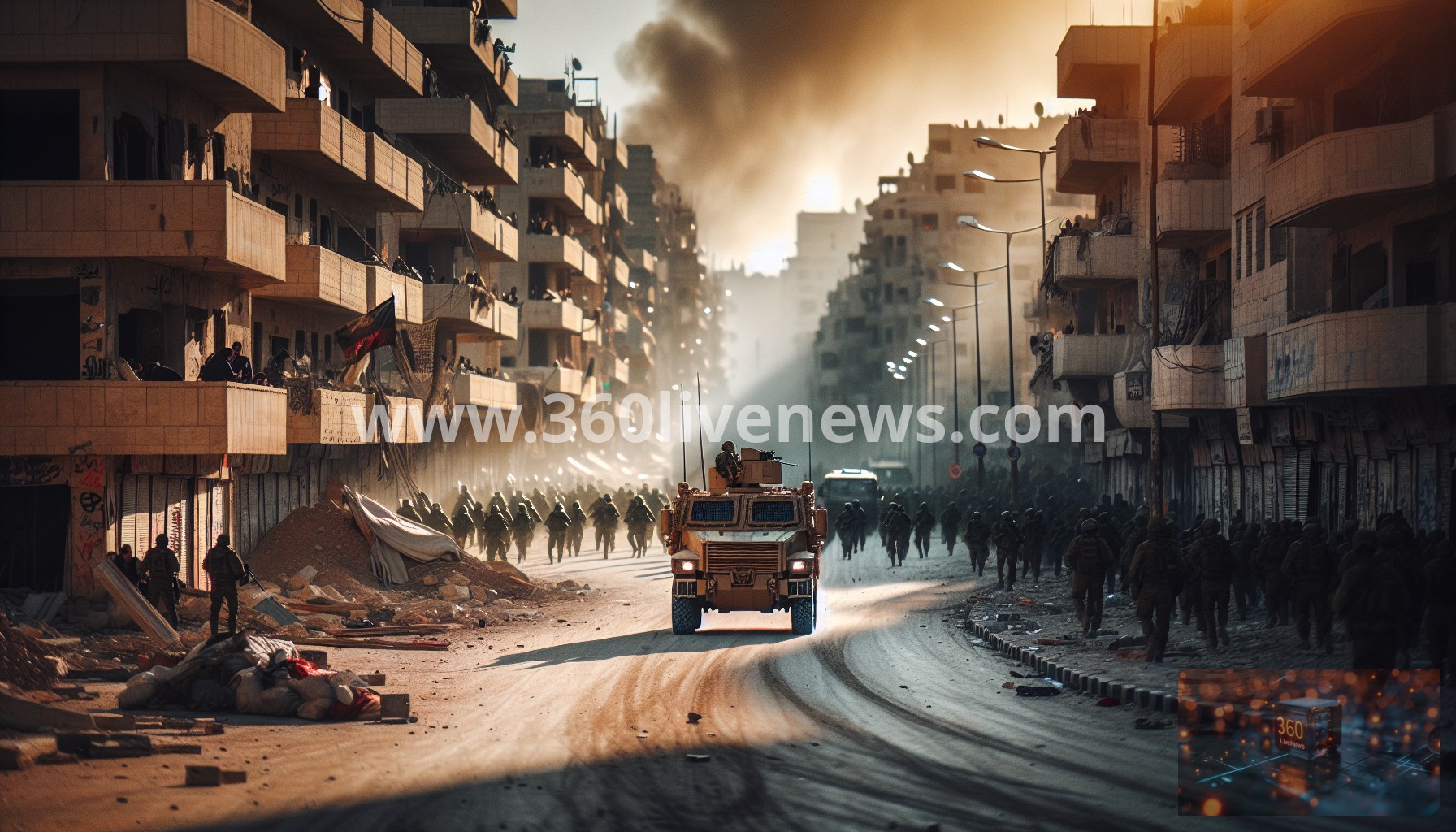
In a dramatic escalation of tensions in the Middle East, Iran has launched a series of retaliatory strikes following the joint US-Israel airstrikes that resulted in the death of Iran's Supreme Leader, Ayatollah Ali Khamenei. The conflict marks a significant turning point in US-Iran relations and has prompted immediate concerns regarding regional stability and security. As part of the retaliation, Iranian drones targeted the US embassy in Riyadh, Saudi Arabia, underscoring the broad scope of Iran's military responses across diplomatic and industrial sites in the region.
On the day of these strikes, Washington also issued warnings to its citizens to evacuate the region. The US State Department cautioned that the situation could rapidly deteriorate, advising Americans to leave Iran and other affected areas as tensions continue to mount. As the repercussions of Khamenei's killing reverberate throughout the Gulf, the potential for broader conflict raises alarms among US and allied officials. With numerous US-friendly nations potentially in harm's way, the ramifications are expected to extend far beyond the immediate tactical engagements.
In the aftermath of Khamenei's death, which occurred during the airstrikes carried out by a joint military operation between the United States and Israel, President Donald Trump reaffirmed the significance of the event. He publicly labelled Khamenei as "one of the most evil people in history," framing the killing as a crucial moment in the ongoing struggle against Iranian influence in the region. The death of Khamenei, a pivotal figure in Iran's theocratic leadership, is poised to create a power vacuum and possibly more instability as various factions within Iran vie for influence.
As part of the official response to the strikes, key members of the US administration, including Secretary of State Marco Rubio and Defense Secretary Pete Hegseth, are scheduled to brief the full membership of Congress. This briefing is the first for congressional leaders since the onset of the recent conflict and aims to address ongoing war powers measures that could have lasting implications for US military engagement in the region. House Speaker Mike Johnson highlighted that the administration's current stance leans toward allowing Israel to take unilateral action in response to perceived threats, complicating the White House’s decision-making process.
Reports suggest that Israeli intelligence operated with significant precision, employing traffic camera surveillance to track Khamenei’s movements before executing the operation that killed him. This high-profile targeting underscores the ongoing intelligence and military collaborations between Israel and the United States in efforts to counteract Iranian influence throughout the Middle East. The operation's success may embolden further Israeli actions against Iranian assets, further exacerbating the regional conflict.
The broader geopolitical implications of this conflict are profound, potentially reshaping alliances within the Gulf and escalating hostilities between Iran and its regional adversaries, particularly Saudi Arabia and Israel. Iran's swift retaliation, which includes targeted drone strikes, suggests a commitment to responding forcefully to perceived affronts to its sovereignty. The situation further complicates the already delicate balance of power in the region, as countries realign their strategies in response to this new reality.
Experts warn that the recent developments could trigger an arms race in the region, as countries may feel compelled to bolster their military readiness in light of a more aggressive Iranian posture. The possibility of increased Iranian proxy activity throughout the region, including in Iraq, Syria, and Lebanon, poses additional risks to US troops and allies. As the US navigates its role in this rapidly devolving crisis, Congressional support for military intervention or aid will be critical in shaping future strategies.
As the situation evolves, it is essential to monitor the ramifications for US foreign policy and the potential impacts on regional alliances and conflicts. The coming days may reveal whether this marked escalation can be contained or if it will lead to a larger, drawn-out conflict that further complicates the already intricate dynamics of Middle Eastern politics.
#Iran #Israel #Drones #MiddleEast #USEmbassy #Khamenei #Military #Pentagon
