Iran's Military Engagements Expand Amid Rising Tensions with Israel and the US, Threatening Regional Assets
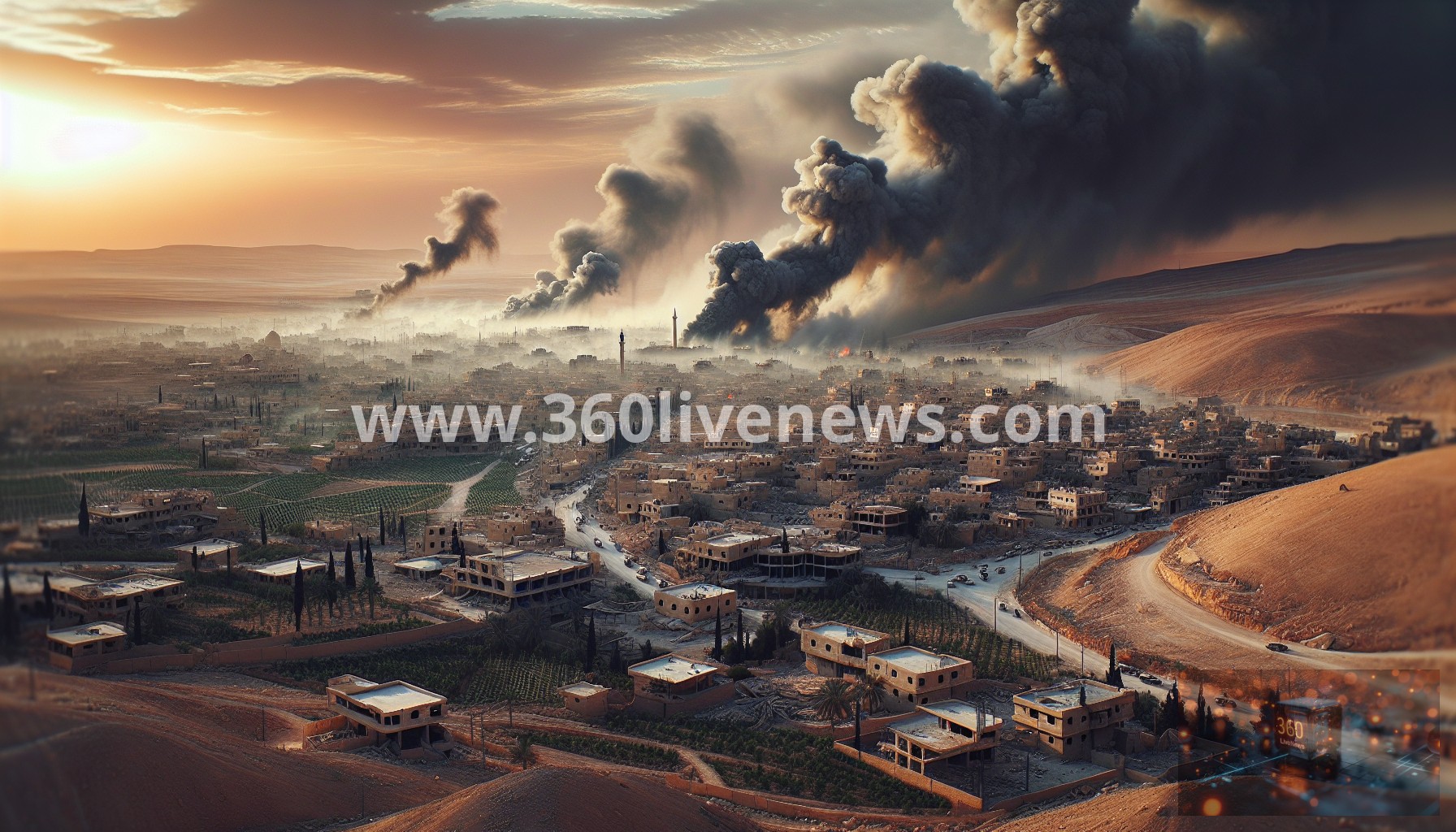
In a rapid escalation of hostilities, Iran has increasingly drawn in regional countries as countermeasures against ongoing military actions by Israel and the United States. Reports indicate that military engagements are now taking place not only on Iranian soil but also threatening US assets in Saudi Arabia, oil infrastructure across the Gulf, and even French military installations in Abu Dhabi. Analysts highlight that Iran's use of low-cost drones marks a distinct shift in its retaliatory strategy, aimed at disrupting key economic sectors and deterring tourism amidst the backdrop of what it perceives as an existential threat following targeted strikes that reportedly eliminated high-ranking Iranian officials.
The situation has deteriorated swiftly, with the fourth day of conflict detailing an alarming increase in missile attacks and drone strikes. Key targets include the US embassy in Saudi Arabia, reflecting a broader Iranian strategy to assert its influence and capabilities across the region. The toll of these military actions is mounting, with civilian casualties reported across multiple cities in Iran and the potential for a wider conflict looming as both Israeli and American military forces signal intentions for continued and potentially intensified operations.
In response to the escalating security situation, French President Emmanuel Macron has ordered the deployment of the aircraft carrier Charles de Gaulle to the eastern Mediterranean. This move underscores France's commitment to regional stability and defense, and it signals a potential shift in European military posturing towards Middle Eastern conflicts as tensions rise. Following Macron's recent address, the French naval fleet aims to enhance operational readiness in the region, which could see increased French involvement amid the unfolding crisis.
Internationally, the United States is scrambling to ensure the safety of its citizens abroad. The State Department is reportedly coordinating military and charter flights to evacuate stranded Americans as airport closures and heightened military actions complicate travel logistics. Diplomatic channels are strained, with American officials grappling to navigate the complexities of a rapidly evolving situation while assuring the safety of its nationals in a historically volatile region.
The conflict has further exposed vulnerabilities in marine traffic through the Strait of Hormuz, a critical artery for global energy supplies. Multiple nations, including Qatar, the United Arab Emirates, Kuwait, Bahrain, and Jordan, have reported intercepting Iranian missiles targeting US military bases within their territories. The heightened risk of maritime disruptions poses significant implications for energy markets and international shipping lanes, raising concerns about potential economic backlash from sustained military engagement.
Historical context informs the ongoing actions between these countries, with longstanding tensions rooted in Iran's nuclear ambitions and regional power dynamics. Previous conflicts, particularly involving proxy engagements and renewed scrutiny of military alliances, have set a complex stage for current hostilities. The re-emergence of proxy groups like Hezbollah complicates prospects for de-escalation, as Israel prepares for retaliatory measures against perceived threats along its northern border.
The urgency of this conflict cannot be overstated, as it prompts broader geopolitical ramifications. Allies of the US in the region are closely monitoring developments, especially regarding Iran's ability to project power and the potential for wider military engagements. Economic repercussions could ripple across global energy markets, compelling nations to reassess their foreign policy strategies in the Middle East, particularly as the specter of direct military confrontation looms larger.
The implications of this conflict extend beyond immediate military engagements, threatening to reshape alliances and influence diplomatic relations across the region. The potential continuation of hostilities could force countries to choose sides, realigning traditional partnerships and fostering new coalitions based on shared security concerns or economic interests. As both regional players and global powers reassess their positions, the need for a coherent diplomatic strategy becomes increasingly critical to avoid a protracted and potentially destructive conflict.
As the world watches these developments unfold, the question remains: how far will these escalating tensions drive regional instability? Iran's actions, alongside its adversaries in the US and Israel, will undoubtedly shape the geopolitical landscape in the months ahead, with local and global consequences that are yet to be fully understood. The international community faces the pressing challenge of responding effectively to mitigate the escalating crisis and avert a larger conflagration that could engulf the entire region.
#Iran #Israel #SaudiArabia #MiddleEast #France #Macron #CharlesdeGaulle #USMilitary #Hezbollah #HormuzStrait #EnergySecurity Diplomacy">#Diplomacy #FrenchMilitary Evacuation">#Evacuation #MilitaryConflict
