Israeli military issues evacuation orders for civilians in southern Lebanon amid escalating conflict with Hezbollah
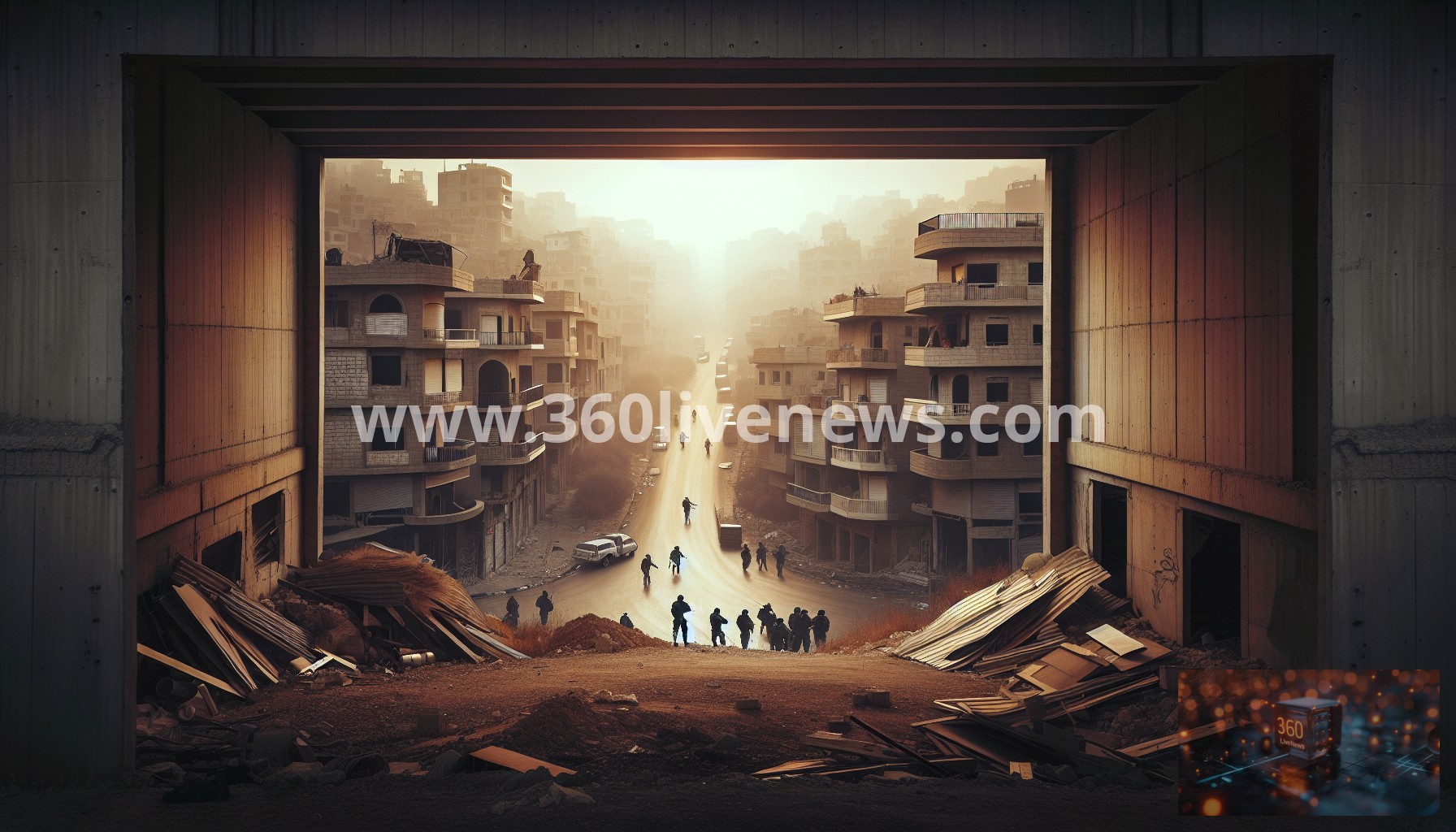
In a significant escalation of the ongoing conflict involving Israel and Iran-backed Hezbollah, the Israeli military has issued urgent evacuation orders to civilians living in large parts of southern Lebanon. Residents are being instructed to leave their homes immediately and relocate north of the Litani River, in anticipation of intensified military operations against Hezbollah. This directive highlights the increasing tensions and rising violence in the region, which have drawn widespread international concern.
The current hostilities began earlier this week, following a series of US-Israeli airstrikes. Since combat operations commenced, approximately tens of thousands of individuals have already been displaced within Lebanon, seeking safety amidst the fears stemming from the active conflict. The Israeli Defense Forces (IDF) have confirmed that they initiated a "wave of strikes" against Hezbollah positions shortly after the evacuation orders were broadcast. As stated by the military, this move is part of a broader strategy to counteract perceived threats from the group, which remains an integral part of Iranian military influence in Lebanon.
Reports indicate that many individuals residing in the affected areas, particularly in the southern regions, are resistant to leaving their homes. One resident, Mohamed, aged 25, expressed his determination to remain, stating, "Let them say whatever they want - I'm not going to Beirut to be on the streets." This sentiment reflects a wider struggle among civilians caught in the crossfire of regional political and military dynamics.
Compounding the humanitarian concerns, large multinational companies have begun implementing emergency protocols to protect their employees and facilities in the Middle East. Prominent firms such as Amazon, Google, Snap, and Nvidia have raised "red flags" over the potential risks posed by the ongoing conflict. Francisco Jeronimo, an analyst from IDC, warned that the situation could lead to global tech shortages, although Nvidia stated it has yet to encounter any supply chain disruptions.
The current military actions evoke a long history of conflict in the region, primarily driven by geopolitical rivalries involving state and non-state actors. Hezbollah, a powerful Islamist political and militant group based in Lebanon, has frequently engaged in military confrontations with Israel, which perceives the organization as a direct threat to its national security. The Iranian government provides significant support to Hezbollah, complicating the conflict further by tying the military engagements to broader US-Iran tensions.
As tensions mount, the international community is closely monitoring the situation, with varying responses based on political alignments. The United States has reaffirmed its strong support for Israel, while calls for restraint often emerge from nations advocating for a de-escalation of violence. These geopolitical dynamics play a crucial role in shaping the conflict, with potential implications for stability across the Middle East.
This recent escalation comes amidst a backdrop of heightened military readiness, as both Israel and Iran have fortified their military positions. With an ongoing cycle of retaliatory strikes, the potential for a broader regional conflict remains a critical concern. Analysts continue to evaluate how this situation might evolve, considering the intricate web of alliances and rivalries that define Middle Eastern geopolitics.
Looking ahead, the ramifications of the current hostilities could extend beyond immediate military concerns. Economic impacts, particularly regarding technology sectors with substantial investments in the region, may arise if the conflict disrupts operations. Experts suggest that both local and global markets may feel the effects, impacting supply chains and investment strategies.
As civilians face dire circumstances and corporations reassess their strategies in a volatile environment, the situation underscores the urgent need for solutions to foster peace. Engagement from international bodies may be required to mediate ongoing disputes and offer humanitarian assistance to those affected by the violence. With the coming days likely to reshape the conflict's landscape, observers are urged to stay informed as developments unfold.
#MiddleEast #Israel #Lebanon #Iran #Hezbollah #IDF #Nvidia #Amazon #Google #Snap #USIranRelations Conflict">#Conflict #HumanRights
