US Senate vote fails to pass resolution limiting Trump's military powers on Iran amid escalating conflict
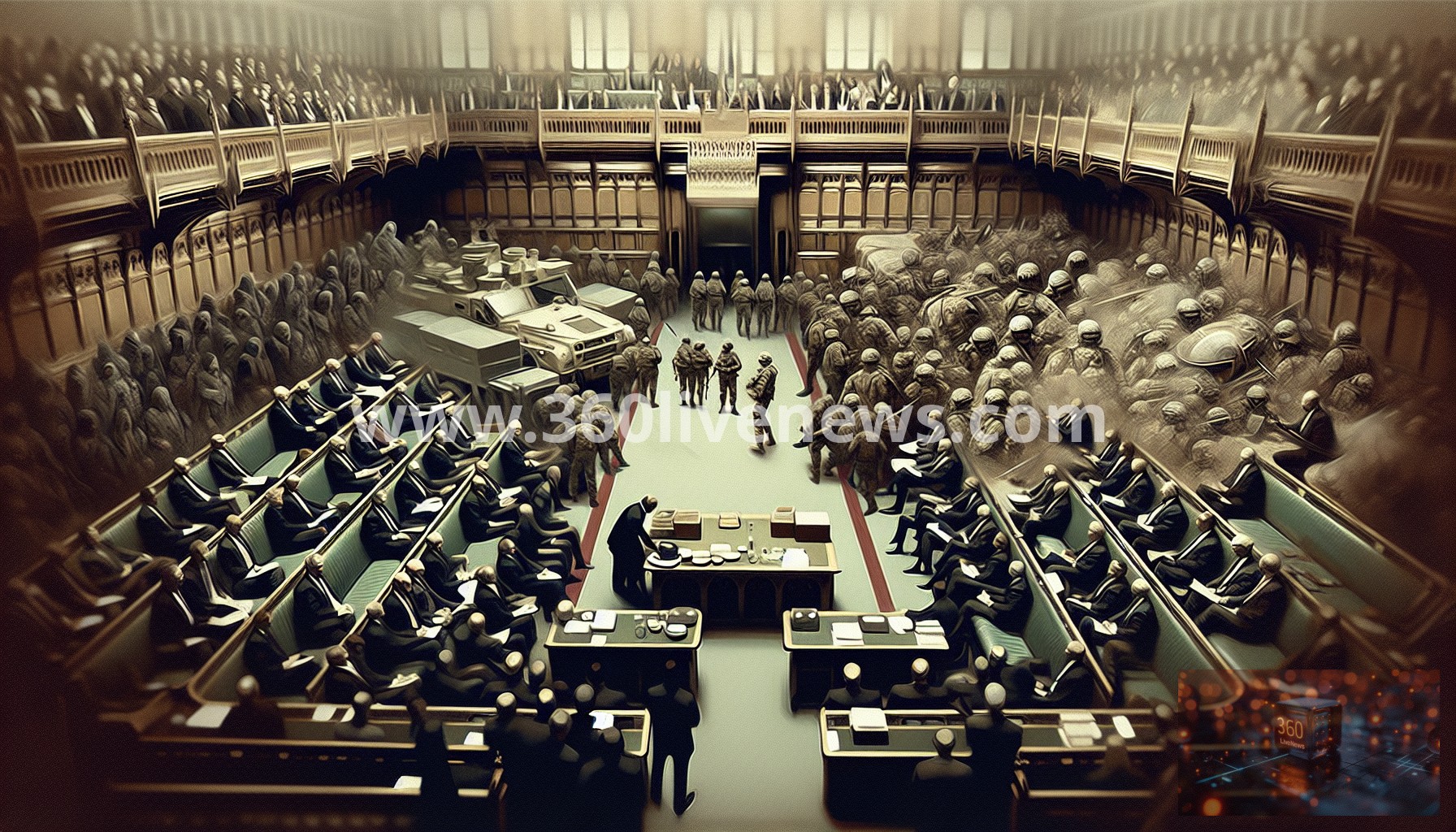
The ongoing conflict involving Iran has intensified following a recent vote in the US Senate, which failed to pass a bipartisan resolution aimed at limiting President Donald Trump's military powers regarding Iran. The resolution, crucially designed to halt military actions without congressional approval, was defeated with a 53-47 vote, predominantly along party lines. As military operations escalate in the region, this legislative setback leaves Congress with limited power to influence the unfolding crisis.
This legislative conflict occurs against the backdrop of military actions that began over the weekend, with both the United States and Israel conducting strikes against Iranian targets. In retaliation, Iran has begun launching counterstrikes against Israel and allied states in the Gulf region. The ongoing hostilities highlight escalating tensions which began in recent years as part of a broader pattern of geopolitical strife between the US and Iran, particularly since the unilateral withdrawal of the US from the Joint Comprehensive Plan of Action (JCPOA) in 2018.
Democratic senators raised concerns that President Trump has sidelined Congress through his military strategy, offering vague and shifting justifications for the continued military engagement. While the resolution was blocked largely by Republican senators, some expressed a willingness to revisit their voting stance if the situation deteriorates significantly in the coming weeks. This sentiment underscores increased anxiety among lawmakers about the potential length and scope of the military engagement, with Defense Secretary Pete Hegseth indicating that the conflict could extend to eight weeks, nearly double the timeframe suggested by President Trump.
The backdrop of this volatility includes a history of US-Iran tensions characterized by hostility and distrust that dates back decades. After the 1979 Iranian Revolution, relations have been strained, marked by events such as the Iran hostage crisis and continued accusations from the US regarding Iran's support for terrorist organizations. The military actions from both the US and Israel further complicate these already tense dynamics, raising questions about regional stability and the effectiveness of US foreign policy.
The implications of continued military action are profound. Not only does it raise the specter of a wider regional conflict, but it also puts additional pressure on US legislators to assert their constitutional war powers. The Framers of the Constitution intended for Congress to have the authority to declare war to prevent unilateral military engagements by the executive branch, a principle that advocates argue is being subverted in the current situation.
Internationally, the actions taken by the US and its allies could further isolate Iran, whose government may respond to perceived aggressions with increased hostilities not just against Israel, but potentially against US interests throughout the Gulf region. Such developments could lead to escalations involving proxy forces in neighboring countries, further destabilizing the already volatile Middle East.
Moreover, this situation raises concerns regarding the humanitarian repercussions of the military actions. As strikes continue, local populations in affected areas may face significant risks, including casualties and displacement. The potential for widespread conflict has renewed calls from various international organizations for diplomatic solutions to re-establish communication channels and reduce tensions.
In summary, as the US Senate's resolution to constrain presidential war powers fails, the conflict with Iran expands, necessitating a reevaluation of military strategy and diplomatic engagements. With both immediate human costs and broader geopolitical consequences at stake, the likelihood of this situation escalating further continues to grow. The failure of the Senate vote not only reflects internal divides but also signals the precarious balance of power between the executive and legislative branches in matters of national security.
#Iran #Israel #USSenate #Military #Trump #WarPowersAct #Conflict #MiddleEast
