U.S. airstrikes on Iranian military assets increase amid escalating Middle East conflict
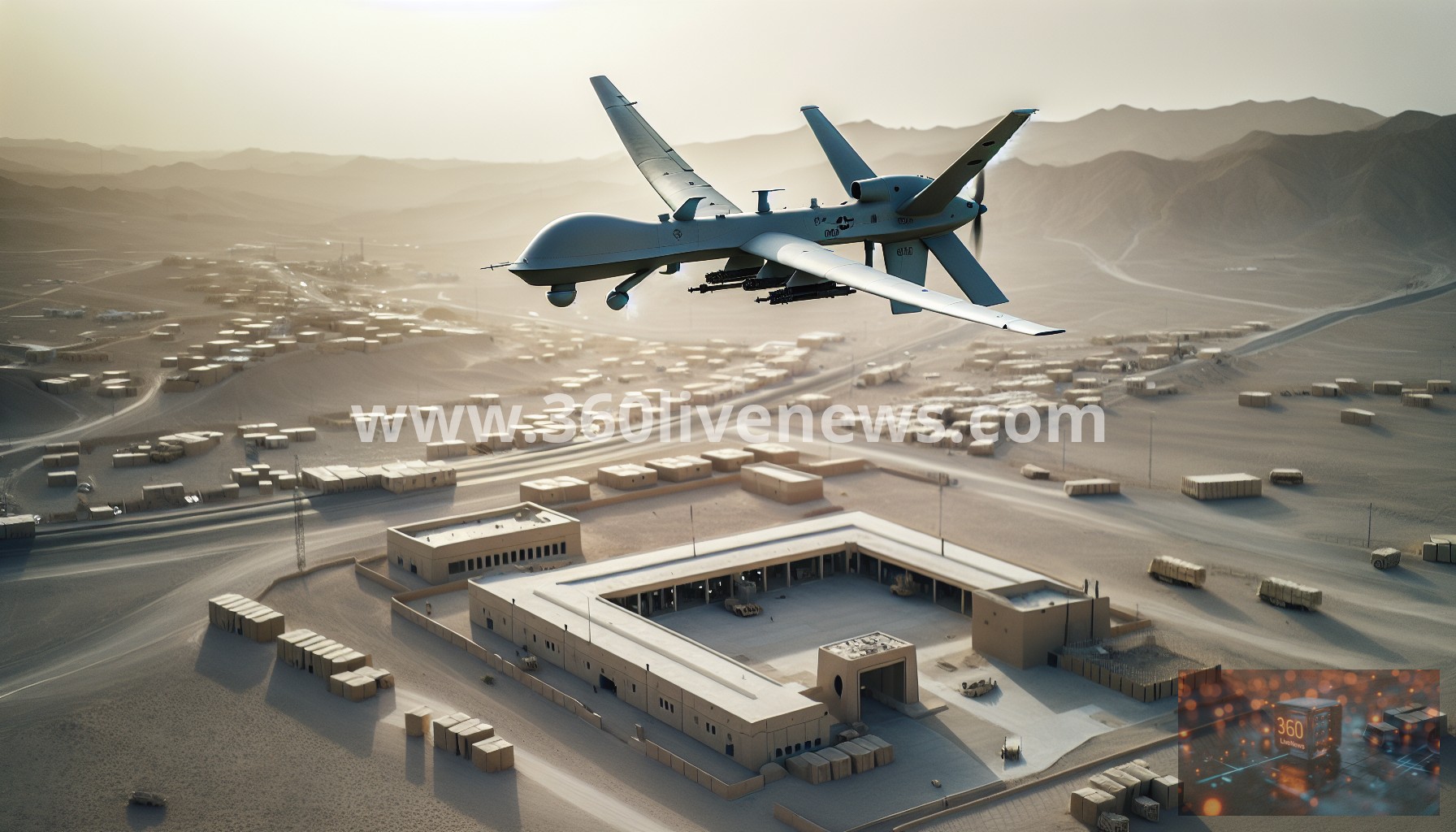
In a fresh escalation of military conflict in the Middle East, U.S. airstrikes targeting Iran" target="_blank" rel="nofollow noopener">Iranian military assets have intensified over the past week, following the commencement of hostilities reportedly initiated by the U.S. and Israel. This military operation comes amid alarming reports of Russian intelligence support to Iran, with some analysts speculating on the implications for U.S. forces operating in the Gulf region.
According to recent statements from U.S. officials, Russia has begun sharing intelligence with Iran that may help Tehran target American military assets, including warships and aircraft in the Persian Gulf. However, the White House has asserted that there has been no significant impact on U.S. military operations due to this intelligence exchange. “It clearly is not making any difference with respect to the military operations in Iran because we are completely decimating them,” stated White House Press Secretary Karoline Leavitt.
This development marks a notable shift in the geopolitical dynamics of the region, particularly given the traditionally cooperative nature of Russia-Iran relations amidst ongoing tensions between Tehran and Washington. This information-sharing arrangement comes as part of Moscow's broader strategy in the Middle East, where it holds alliances with several groups opposed to U.S. presence, including Hezbollah and Hamas.
The implications of Russian involvement extend beyond military operations. It poses potential security concerns for U.S. allies in the region, especially Israel, which has conducted its own operations against Iranian targets in Syria and other areas. The direct involvement of Russia highlights a complex interplay of interests, as Moscow seeks to assert its influence while countering U.S. actions.
Experts suggest that the intelligence assistance from Russia may also embolden Iran’s military strategy. While U.S. intelligence assessments indicate that Russian support does not include direct guidance on military actions, the mere provision of targeting information enhances Iran’s capabilities in a fraught environment where any miscalculation could escalate tensions. Indeed, U.S. officials have voiced concerns regarding the repercussions of the latest developments for both American forces and regional stability.
Historically, Iran has operated under significant pressure from the U.S. due to its contentious nuclear program and regional militancy. These tensions have intensified in general terms over the past weeks as accusations concerning Iran's actions reach new peaks since the onset of the recent conflict with U.S. and Israeli forces.
The Pentagon has not specified the extent of the recent airstrikes, though sources indicate that they have targeted military installations across Iran. The precise locations of these strikes have not been publicly disclosed, adding a layer of operational security while allowing for continued strategic bombing campaigns aimed at Iranian Revolutionary Guard Corps positions.
As the U.S.-Iran conflict unfolds, the broader implications for global markets are also becoming evident. Financial analysts note fluctuations in market stability, influenced by developments in military engagements and geopolitical uncertainties. The current crisis has already instigated volatility in oil markets, linking military operations with economic repercussions.
This situation calls for careful monitoring from international observers and policymakers alike, as the intersection of military action and diplomatic maneuvering could lead to an escalation that not only affects the Middle East but has ramifications for global security as well. With Russia increasingly playing a role in these dynamics, the established geopolitical order faces an unprecedented challenge, highlighting the need for robust diplomatic approaches moving forward.
The developments in Iran and the response from Washington will be closely watched, particularly by international organizations as the potential for broader conflict looms. With ongoing retaliatory measures from Iran towards U.S. assets, the potential for further military engagement remains a serious concern, necessitating immediate attention from defense strategists and policymakers.
#MiddleEast #USIranConflict #RussiaIranRelations #MilitaryOperations #USMilitary #Israel #Geopolitics #Security
