Russia reportedly shared intelligence with Iran on US military assets amid escalating conflict involving the US, Israel, and Iran
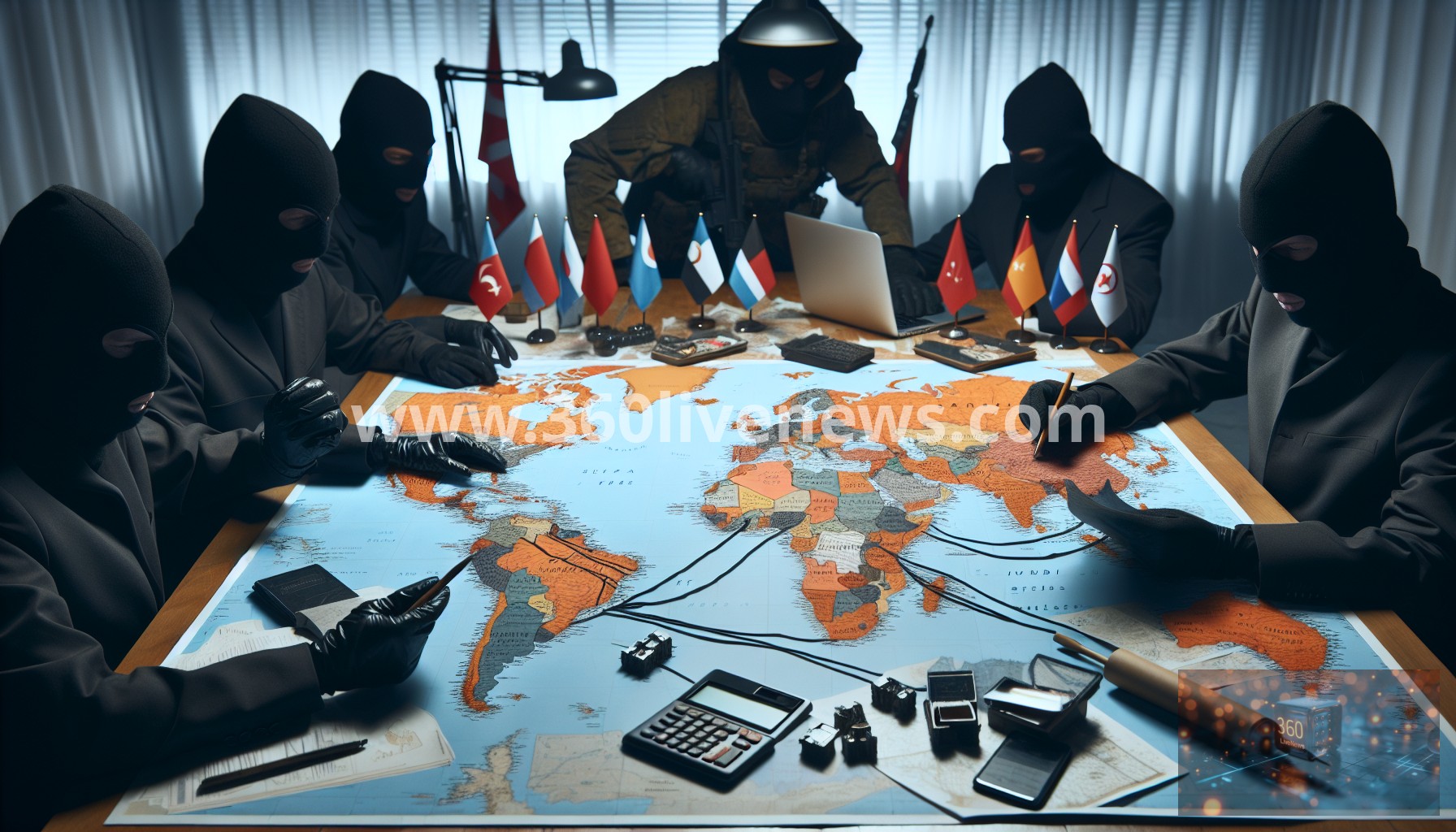
In an escalating conflict involving the United States, Israel, and Iran, reports have surfaced indicating that Russia may have shared intelligence with Iran concerning American military assets. Sources familiar with US intelligence detail that the information could aid Iran in targeting US naval vessels and aircraft operating in the region. This development marks Russia's first notable involvement in the recent hostilities that erupted following US-Israel military actions against Iran launched a week ago, raising significant concerns about regional stability.
According to anonymous officials, US intelligence has not yet established that Russia is directing Iran on how to utilize this information. The revelations come amidst a backdrop of escalating military exchanges, with Iran reportedly responding to Israeli airstrikes with retaliatory strikes against US and allied targets in the Persian Gulf. The situation has grown increasingly complex, with the White House downplaying the severity of Russia's alleged support for Iran, framing it as speculative rather than operationally significant.
The United States and Israel initiated offensive operations against Iran on February 28, citing concerns over Iran's nuclear capabilities and its regional influence. The US administration characterized these strikes as necessary for preventing Iran from acquiring nuclear weapons and disrupting its capacity to threaten international peace. This stance was echoed by Canadian Prime Minister Mark Carney, who initially supported the strikes but later expressed regret for their perceived inconsistency with international law. He has since called for a rapid de-escalation of tensions and is organizing the evacuation of Canadian citizens from the region.
With the conflict now entering its second week, the intensity of military actions has escalated, especially around Tehran. Reports indicate that Israel has intensified its air campaign, launching numerous attacks within Iran and targeting allied forces in Lebanon. In a stark declaration, US President Donald Trump stated that he would only accept Iran's "unconditional surrender", further entrenching the divisions and signaling a potentially protracted conflict.
Russia's potential involvement is significant given its traditionally friendly relations with Iran. Moscow has maintained a strategic partnership with Tehran, especially as both nations contend with Western geopolitical pressures. Notably, Iran's isolation stems from its nuclear ambitions and its support for proxy groups throughout the Middle East. The ramifications of any Russian-Iranian collaboration could complicate ongoing military operations in the region and destabilize relationships among key powers, particularly the United States and Israel.
The political landscape is further complicated by the position of regional actors, including Yemen's Houthi movement, which has so far exercised caution amidst the unfolding chaos. Although historically aligned with Iran, the Houthis have refrained from direct involvement in the conflict, possibly gauging the risks of Israeli retaliation following previous conflicts. Their current strategy appears to center on public condemnation of the strikes and monitoring the conflict dynamics before taking any decisive action.
This period of military escalation poses significant risks, not only for those directly involved but also for the broader Middle East. Key cities including Abu Dhabi, Doha, and Beirut have been affected by the reverberations of the conflict, raising fears among regional populations about the potential for a wider war. With diplomatic efforts appearing strained, the landscape seems precariously poised on the brink of further violence, necessitating urgent international attention and mediation efforts.
As the situation evolves, international stakeholders are increasingly concerned about the implications for security in the region. Failure to address or de-escalate tensions could lead to unwanted spillover effects, potentially drawing in nations that have so far maintained a distance from the conflict. Already, analysis suggests that the sanctions regime against Iran and the military posture of the US and Israel could widen, complicating the geopolitical calculus in the Middle East.
Looking ahead, the dynamics at play underscore the need for prolonged diplomatic engagement to prevent further escalation. The conflicting interests of the involved parties, ranging from military objectives to accusations of violations of international law, demand careful navigation. While the immediate focus remains on military engagements, the overarching goal will be to achieve a sustainable resolution to prevent a prolonged and devastating regional conflict.
#Russia #Iran #USA #Israel #MiddleEast #Geopolitics #War #Diplomacy
