Bangladesh Implements Fuel Rationing Amid Ongoing Middle East Conflict and Energy Crisis
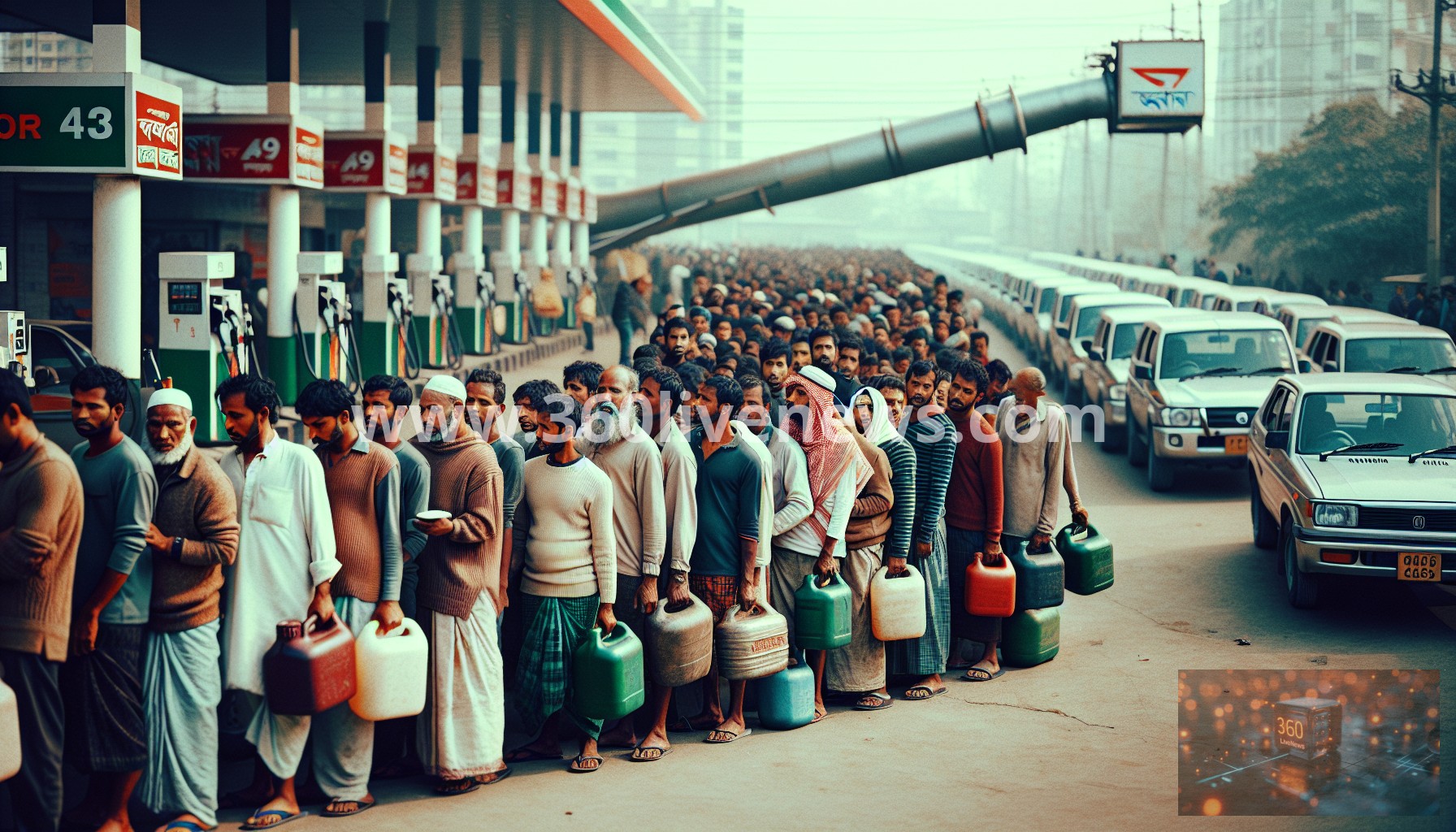
Bangladesh has initiated fuel rationing as the ongoing conflict in the Middle East, particularly the US-Iran war, exacerbates an existing energy crisis. The move follows notable tensions and military actions, including US and Israeli airstrikes targeting Iranian sites, causing increased panic and blame among Bangladeshi citizens. One incident reported a fatal altercation at a petrol station in Jhenaidah, where a confrontation over fuel access resulted in a man's death, highlighting the desperation of the situation.
The country, which relies on imports for 95 percent of its oil and gas needs, faces significant supply chain disruptions. Following the attacks by the US and Israel on Iran, similar fears about local fuel availability have led the national oil company, Bangladesh Petroleum Corporation (BPC), to restrict sales to various vehicle types as a preventative measure against hoarding. Authorities have capped fuel purchases, causing severe congestion at petrol stations nationwide as long queues form amidst widespread panic buying.
During this time of turmoil, the health and socio-economic repercussions are substantial. Many citizens are struggling with reduced access to essential services typically reliant on fuel, presenting serious challenges to daily life and the economy. Bangladesh's population of 170 million now faces a stark reality where energy insecurity could undermine much-needed stability given that energy plays a crucial role in economic development.
In addition to the immediate impact of rationing, the current geopolitical landscape presents a myriad of implications. The US and Israeli strikes against Iranian facilities around Tehran have reportedly damaged several oil infrastructure sites. According to an Iranian official, while the fires that erupted from these strikes were controlled, the long-term repercussions on regional stability remain uncertain.
Lebanon has also felt the effects of the recent escalations, with the Lebanese Health Ministry reporting a toll of 394 casualties due to recent airstrikes attributed to Israeli operations. This cycle of violence reflects broader regional tensions and the realities faced by countries entangled in conflicts influenced by external powers. The Iranian government's response has included retaliatory strikes, which initially prompted fears of a larger escalation throughout the Gulf.
Amid these developments, Iran is reportedly close to appointing a new Supreme Leader following the death of Ayatollah Ali Khamenei. The Assembly of Experts, tasked with this significant decision, is said to have reached a consensus yet to be publicly disclosed. The selection of a new leader is critical not only for Iran's internal political dynamics but also for the broader balance of power in the Middle East.
Israel's military readiness remains heightened as air defense systems have been activated in response to missile threats perceived to originate from Iran. Recent reports from military officials indicate that blasts were detected over Tel Aviv and Beersheva, raising alarms about the potential for further escalations. The Israel Defense Forces are deploying extensive security measures to mitigate any incoming threats.
The unfolding crisis accentuates the intricate relationship between energy supply, domestic unrest, and international military engagements. Bangladesh's reaction, through fuel rationing, serves as a direct consequence of global geopolitics intertwining with local healthcare, economic stability, and citizen safety. The situation reflects ongoing struggles among countries grappling with energy shortages and escalating regional hostilities.
As these developments unfold, the global community watches closely. Policymakers must navigate the complexities of regional security while addressing humanitarian needs in affected areas. International organizations, such as the United Nations, may soon face calls for intervention or mediation as the need for discourse becomes more pressing amidst rising tensions.
Bangladesh Petroleum Corporation, the body responsible for regulating oil imports in Bangladesh, faces increasing scrutiny regarding its handling of the rationing process. As this fuel crisis persists, it underscores the interconnectedness of modern geopolitical conflicts and local civilian impacts, and the vital importance of effective governance in times of crisis.
Conclusion
In summary, the intersection of the US-Iran conflict and Bangladesh’s fuel crisis poses immediate challenges that are likely to evolve into broader socio-economic consequences. As Bangladesh implements restrictions, further scrutiny will be directed towards international actors and their roles in shaping both the conflict and its outcomes.
#Bangladesh #Iran #US #Israel #Fuel #Rationing #Tensions #MiddleEast
