Middle East conflict escalates into tenth day with rising casualties and oil prices surpassing $100 a barrel
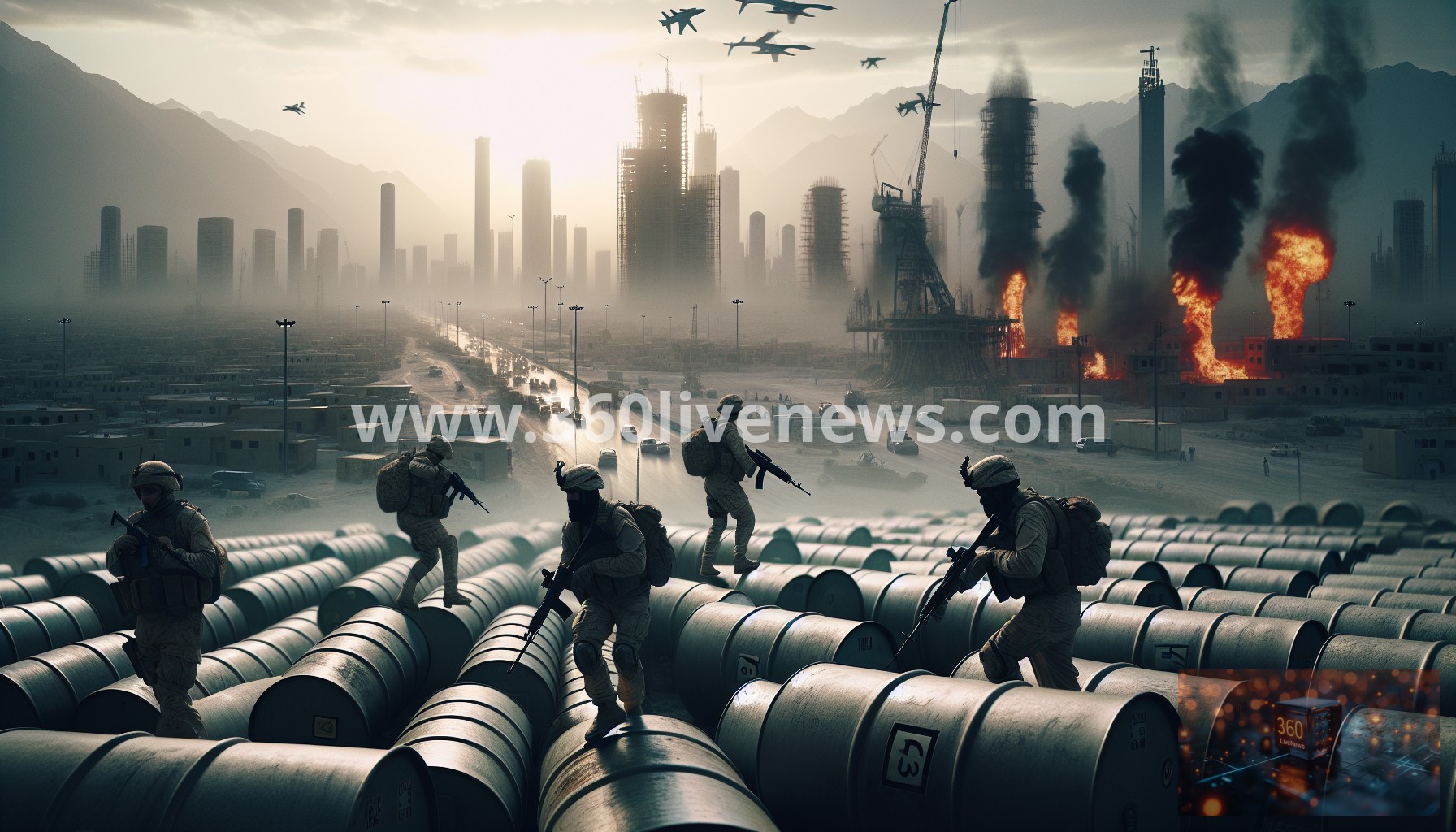
The ongoing conflict in the Middle East has significantly escalated, entering its tenth day with increasing casualties and geopolitical implications. The situation has seen both Iran and Israel targeting new military and civilian locations over the weekend, heightening tensions in the region. The latest developments come alongside a surge in oil prices, which have now exceeded $100 a barrel for the first time in four years.
This escalation has been marked by a series of military actions, including Bahrain's accusations against Iran for striking one of its crucial desalination plants, a key facility for drinking water in the Gulf. In retaliation, Israel launched airstrikes targeting oil depots in Tehran, leading to environmental alerts due to thick smoke rising from the explosions. The toll of the ongoing conflict is becoming increasingly dire, as regional casualties continue to climb.
New casualties were reported over the weekend, including the first confirmed deaths in Saudi Arabia and additional fatalities in ongoing clashes. Currently, the exact number of casualties remains unconfirmed, but the rising death toll has sparked widespread anger in Arab countries against Iran, particularly due to its extensive use of missiles and drones throughout the region. The Israeli military's leadership is preparing for a prolonged conflict, with statements indicating that the war "will take a long time."
The geopolitical ramifications of the conflict are being felt beyond the immediate region, with oil prices reacting sharply to supply concerns. Following the onset of hostilities, oil prices have surged from $77 a barrel to over $107, prompting discussions among Eurogroup finance ministers in Brussels regarding interventions to curb the rising costs affecting consumers. The increases in energy prices have already been severely impacting countries such as Ireland, where consumers are facing sharp hikes in home heating oils and gasoline.
At the heart of the latest tensions is the new leadership in Iran, where Mojtaba Khamenei has taken over as the supreme leader amidst reports of rifts within the remaining leadership ranks. President Masoud Pezeshkian expressed regret over recent military actions against neighboring states, but faced backlash from hardline factions insisting on the continuation of their current strategies.
The situation in the Middle East is being closely monitored by various international bodies, who are increasingly concerned about the implications of sustained conflict. With Iran's deployment of hundreds of missiles and drones to neighboring countries, the potential for a wider regional conflict looms large. The responses from regional powers, particularly Saudi Arabia, will be critical in shaping the direction of hostilities and potential avenues for diplomatic solutions.
Furthermore, the U.S. has confirmed an additional military casualty, reflecting the expanding role of U.S. forces amid this conflict. This military presence adds another layer of complexity to the conflict dynamics, especially given the longstanding U.S.-Iran tensions that have fluctuated through various confrontations over the years.
As the conflict continues to unfold with dire humanitarian consequences, critical discussions around energy security and regional stability are set to intensify. The immediate focus will remain on mitigating the impact of rising oil prices on global markets and consumer economies, as well as the potential for renewed diplomatic efforts in light of the escalating violence.
This latest phase of conflict serves as a stark reminder that the region remains fraught with historical disputes and unresolved tensions, positioning the players involved in a precarious situation with potential implications for global energy supplies. Navigating these complexities will require coordinated international efforts, as well as careful diplomatic maneuvering to avoid further escalation.
#MiddleEast #OilPrices #Iran #Israel #SaudiArabia #Bahrain #Energy #USMilitary
