Iran's security chief warns citizens against protests, labeling them as "enemies" amid rising US and Israeli military actions
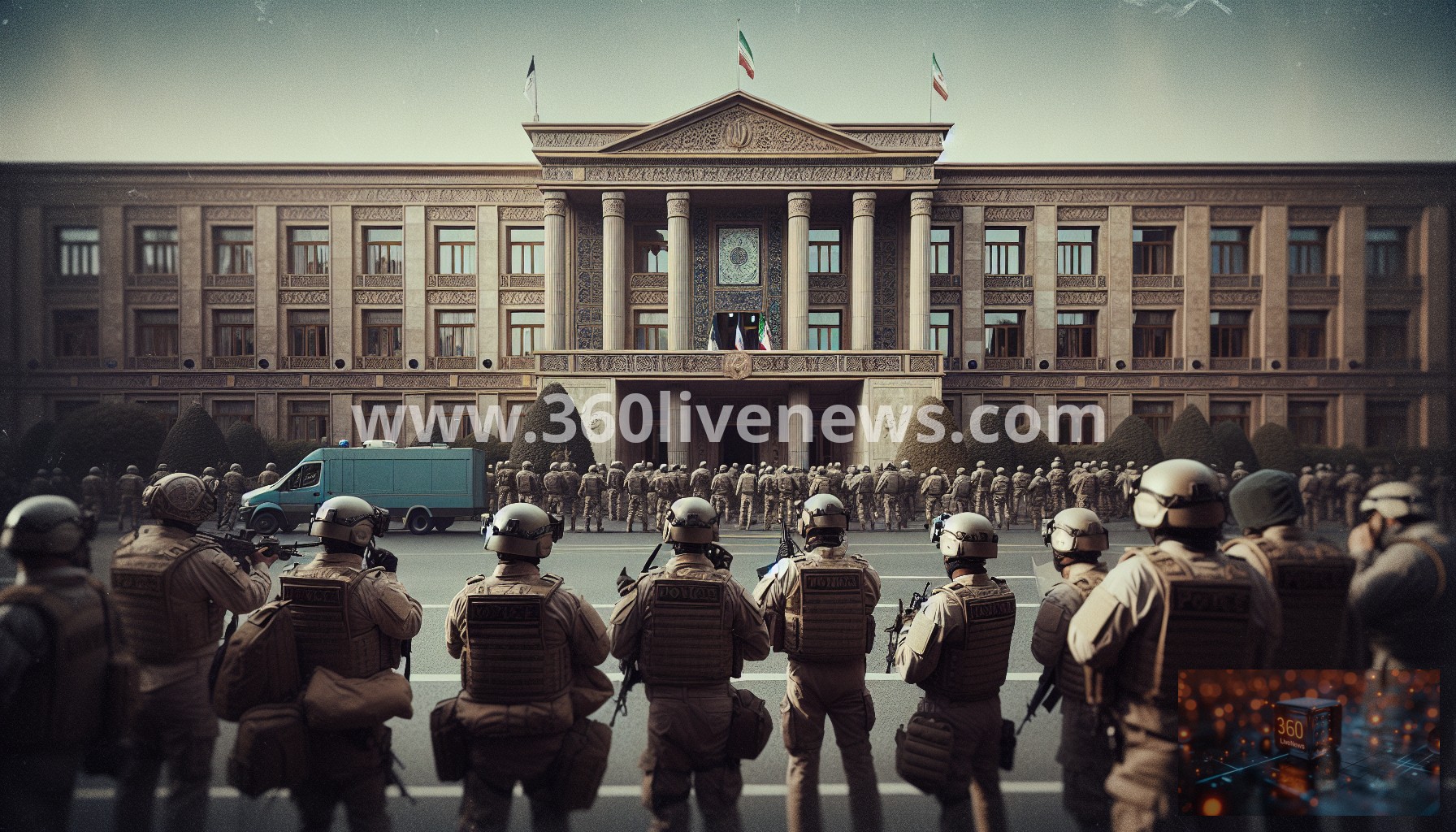
Iran's security chief has issued a stern warning to citizens regarding any plans to protest against the government, characterizing such individuals as "enemies" amidst a backdrop of escalating military actions by the United States and Israel. This warning comes in the wake of Israeli Prime Minister Benjamin Netanyahu's provocative statement encouraging the Iranian populace to "seize the moment" and express dissent against their government.
In a significant context, the United States has reportedly spent $3.7 billion in the initial four days of military operations targeting Iran. This expenditure reflects the high financial stakes involved in the ongoing conflict, which has drawn sharp reactions both domestically within Iran and internationally from the broader geopolitical community.
The Iranian government's recent actions, particularly the emphasis on labeling potential protesters as enemies, signal a tightening grip on dissent and an intent to curb any movements that could undermine the government's stability. The security chief's remarks align with a broader historical precedent where dissent has been met with strong governmental resistance, particularly in times of external threats such as military intervention.
The backdrop of these developments is characterized by a long history of US-Iranian tensions, which have fluctuated over the years but have consistently remained fraught. From the Iranian Revolution in 1979 to the more recent withdrawal of the United States from the Joint Comprehensive Plan of Action (JCPOA), the relationship has been marred by distrust and conflict.
Netanyahu's comments, which seemingly encourage the Iranian people to protest, add a new layer to this complex interplay. The reception of his message within Iran may spur some citizens into action, potentially influencing the security landscape. Nonetheless, the Iranian government’s firm posture suggests that any uprising, particularly one perceived to have external encouragement, will not be taken lightly, echoing past instances of political repression.
The recent financial commitments made by the US represent not only a military investment but also an indication of the strategic importance placed on Iran within American foreign policy. The considerable expenditure raises questions about the long-term sustainability of such operations and the repercussions for both military personnel and civilians caught in the conflict.
This mounting tension calls into question the extent to which Iranian dissent can be tolerated without provoking a governmental crackdown, particularly as external military engagement intensifies. The implications of these warnings and military actions extend beyond national borders, as they may influence regional dynamics within the Middle East, especially in relation to neighboring nations like Israel and possibly impacting broader alliances.
As events unfold, the international community will be closely monitoring the developments in Iran, particularly how the government manages public discontent in the face of external military pressure. Analysts predict that the current trajectory could lead to an escalation of both internal and external conflicts, demanding a nuanced approach from international diplomats and policymakers.
#Iran #USMilitary #Israel Protests">#Protests #Netanyahu #MiddleEast Dissent">#Dissent #Conflict
