Israel Imposes Closure on Al-Aqsa Mosque, Prompting Condemnation from Eight Nations During Ramadan
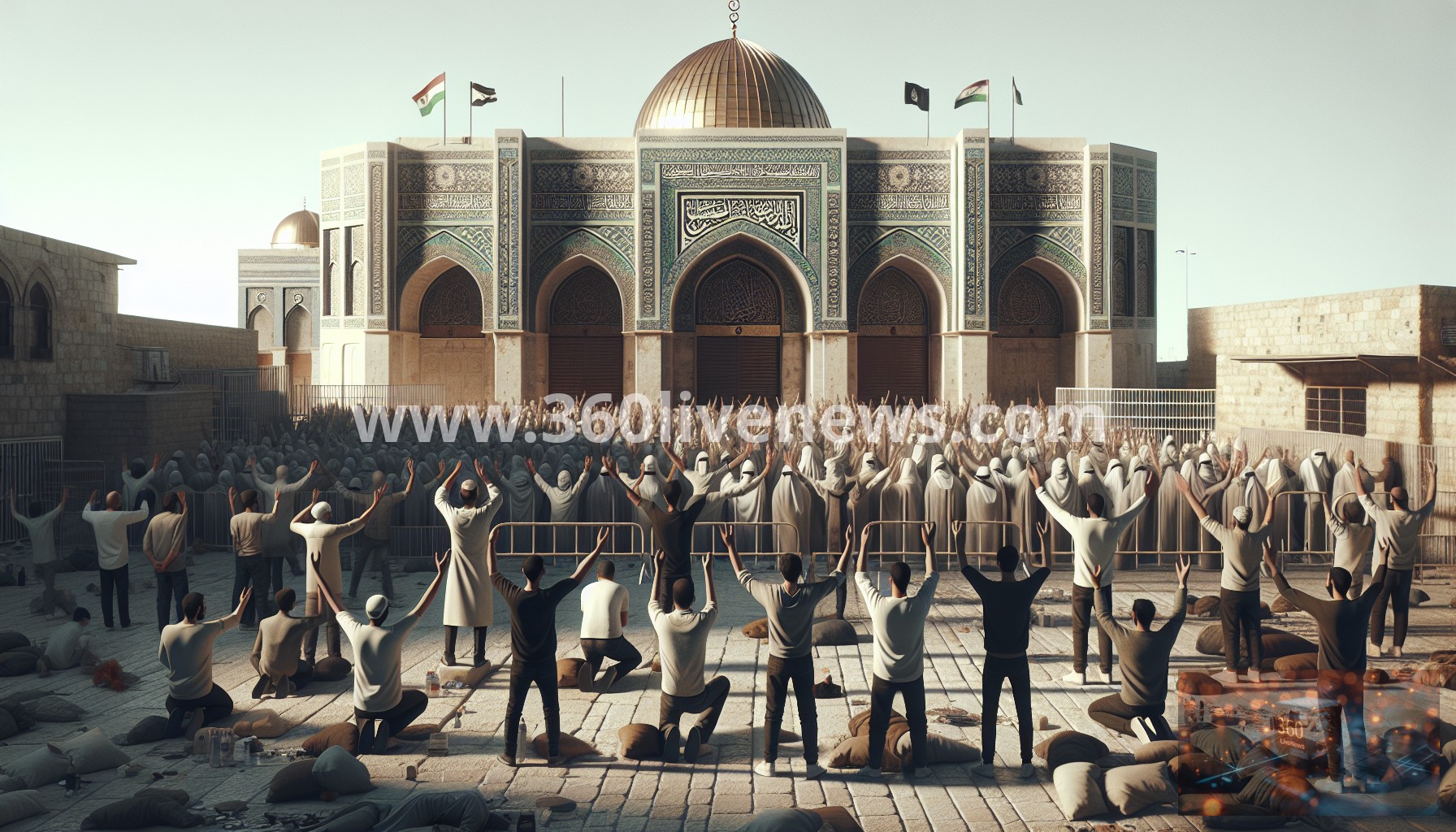
Over the past two weeks, Israel has imposed a closure on the Al-Aqsa Mosque, severely restricting access to one of Islam's holiest sites during the significant month of Ramadan. This action has drawn sharp condemnation from eight nations, including Qatar, Jordan, Indonesia, Turkiye, Pakistan, Saudi Arabia, Egypt, and the United Arab Emirates. The collective statement from these nations highlights the ongoing tensions surrounding the control and status of religious sites in Jerusalem.
The frequent closures of Al-Aqsa Mosque, particularly during periods of heightened religious observance, have long been a source of contention. For twelve consecutive days, the mosque and its surroundings in the Old City of Jerusalem have been under strict Israeli control, effectively limiting Palestinian movement and access. This action was described by the foreign ministers of the eight nations as a "flagrant violation" of international and humanitarian law, which underscores the fragile nature of peace in this historically charged conflict area.
In their joint statement, the ministers emphasized that such closures violate established international norms governing access to places of worship. They reiterated their strong opposition to Israel's actions at the mosque, affirming that Israel holds no sovereignty over the area, which they declare is exclusively for Muslim use. They pointed out that the Jerusalem Endowments and Al-Aqsa Mosque Affairs department, acting under the Jordanian Ministry of Awqaf and Islamic Affairs, has exclusive jurisdiction in this regard.
The implications of this current situation extend beyond immediate access issues, as it touches upon long-standing geopolitical dynamics. The Islamic holy sites in Jerusalem, particularly Al-Aqsa Mosque, play a central role not only in Islamic faith but also in broader Arab and Islamic identity. The continuous tension surrounding these sites has sparked responses from multiple nations, often leading to diplomatic rifts and sometimes violence.
Qatar's Prime Minister Sheikh Mohammed bin Abdulrahman Al Thani has called for resilience among Arab nations amid pressures related to the ongoing Iran-Israel conflict. As tensions escalate, his remarks underscore the interconnectedness of regional politics with the situation in Jerusalem, emphasizing the need for unity against external threats, particularly when it relates to the Palestinian cause.
The recent closure has also brought forth significant criticisms regarding Israel's broader policies towards Palestinians, especially those living in East Jerusalem. The restrictions have been perceived as a continuation of a strategy aimed at asserting control over the area, which some argue could have lasting negative effects on peace prospects. Thus, the actions at Al-Aqsa, particularly during such a significant religious period, exacerbate an already fragile situation.
Historically, Al-Aqsa Mosque has been at the center of the Israeli-Palestinian conflict, often catalyzing protests and clashes. Its significance in Islamic tradition as the third holiest site, following Mecca and Medina, makes it crucial not only to Palestinians but to Muslims worldwide. The current restrictions may serve to inflame nationalist sentiments and provoke further unrest, as indicated by past events where similar closures have led to widespread protests.
The statement from the eight Arab and Islamic countries collectively condemning Israel's actions reflects a growing consensus on the need to address the ongoing injustices faced by Palestinians. Such diplomatic actions aim to galvanize international support against perceived violations of rights, with hopes that unity may lead to stronger pressure on Israel to alter its course of action regarding access to religious sites.
The ongoing closure of Al-Aqsa Mosque serves as a stark reminder of the complexities involved in the Israeli-Palestinian conflict. As long as access to sacred sites remains contested, peace and dialogue may continue to be elusive. The reaction from the Arab and Islamic nations indicates a readiness to confront these challenges and assert their influence over the narrative surrounding Jerusalem and its religious significance.
#MiddleEast #AlAqsaMosque #Israel Palestine">#Palestine #IslamicUnity #Qatar #Jordan #Egypt Turkey">#Turkey #SaudiArabia #UnitedArabEmirates #Iran #Ramadan
