Demand for bomb shelters surges in Gulf nations amid escalating Middle East conflict
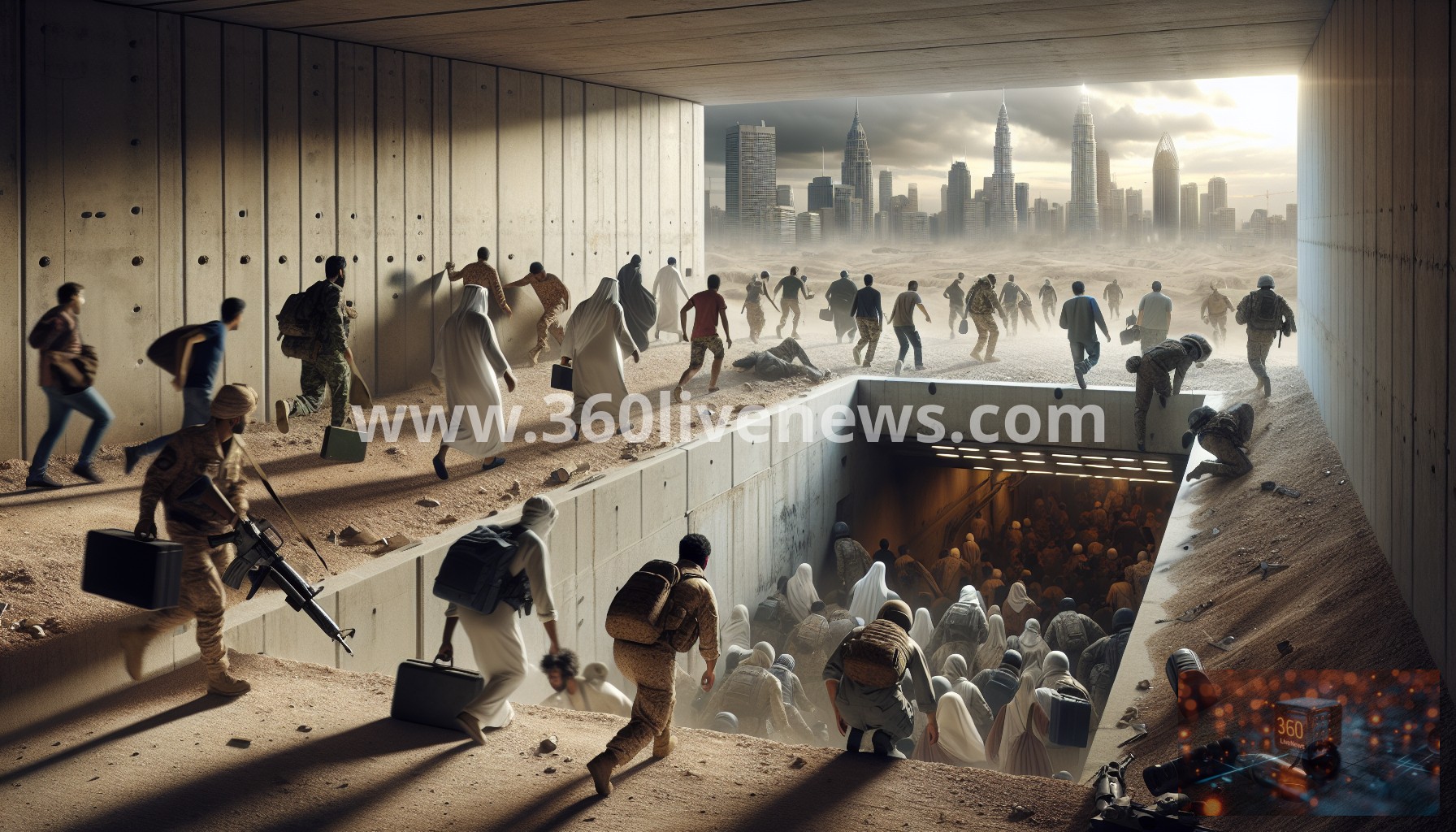
As the conflict across the Middle East escalates, demand for bomb shelters has surged significantly. Ron Hubbard, the owner of Atlas Survival Shelters based in Texas, reported that inquiries from clients, particularly in Gulf nations, have skyrocketed since hostilities intensified roughly two weeks ago. The increased interest is attributed to fears of air raids and potential nuclear fallout, driven by ongoing attacks involving the United States and Israel against Iran.
According to Hubbard, the response from both foreign and domestic clients has been unprecedented. "You can imagine how many people are thinking ‘I wish I had a bomb shelter',” he noted. The current wave of orders is mainly coming from countries including Bahrain, Qatar, Kuwait, and the United Arab Emirates, illustrating a significant regional concern about safety in light of recent military actions.
Recent military strikes have reportedly affected various urban hubs, with Iran retaliating against these attacks by launching its own strikes across the region. This retaliatory cycle has heightened anxiety among Gulf states, as they face immediate threats from neighboring conflict zones. The increased demand for bunkers highlights a growing apprehension among residents about their safety and the perceived instability in the region.
In the broader context, the situation in the Middle East has roots in longstanding geopolitical tensions, particularly surrounding Iran's nuclear program and its relationships with its neighbors. The involvement of Western powers, particularly the United States, has historically exacerbated these tensions, leading to a volatile security environment. As military actions take place, they evoke memories of previous conflicts in the region, further instilling fear among the populace regarding potential escalations.
Official statements from various agencies, including local governmental bodies in Gulf nations, reflect efforts to reassure citizens while also preparing for the worst-case scenarios. Evacuation protocols and civil defense initiatives are being reevaluated, with authorities urging residents to remain vigilant as military dynamics shift. The rising demand for bomb shelters serves as a stark indicator of public sentiment amidst such uncertainty.
The economic implications of heightened security concerns could also be significant. As demand for bunkers increases, it may catalyze a burgeoning industry focused on civil protection measures. This could lead to investments in safety infrastructure, while simultaneously creating challenges for local economies reliant on stability for trade and tourism. However, the essential focus remains on public safety and the immediate need for citizens to feel secure in their homes.
Internationally, the United States has also expressed renewed interest in ensuring stability within the region, albeit through varying strategies. The complexities of foreign relations, particularly with regard to Iran, Israel, and Gulf nations, create a highly charged environment where military action and diplomatic negotiations often intersect. The ongoing dynamics suggest that regional stability remains precarious, with implications not just for local residents but for global geopolitical frameworks as well.
As commentators assess the implications of such developments, many urge caution in interpreting the burgeoning demand for bomb shelters. While it serves as a barometer for current anxieties, it also reflects a broader history of military engagement and diplomatic failure in the region. The situation requires continuous monitoring as authorities and residents alike navigate the challenges posed by a rapidly changing landscape.
#MiddleEast #Conflict #Bunkers #Iran #Israel #Qatar #Kuwait #Bahrain #US #Trade #Security #Military #ConflictResolution
