UN Security Council Holds Key Votes on Middle East Conflict Amid Escalating Tensions Involving Iran, US, and Israel
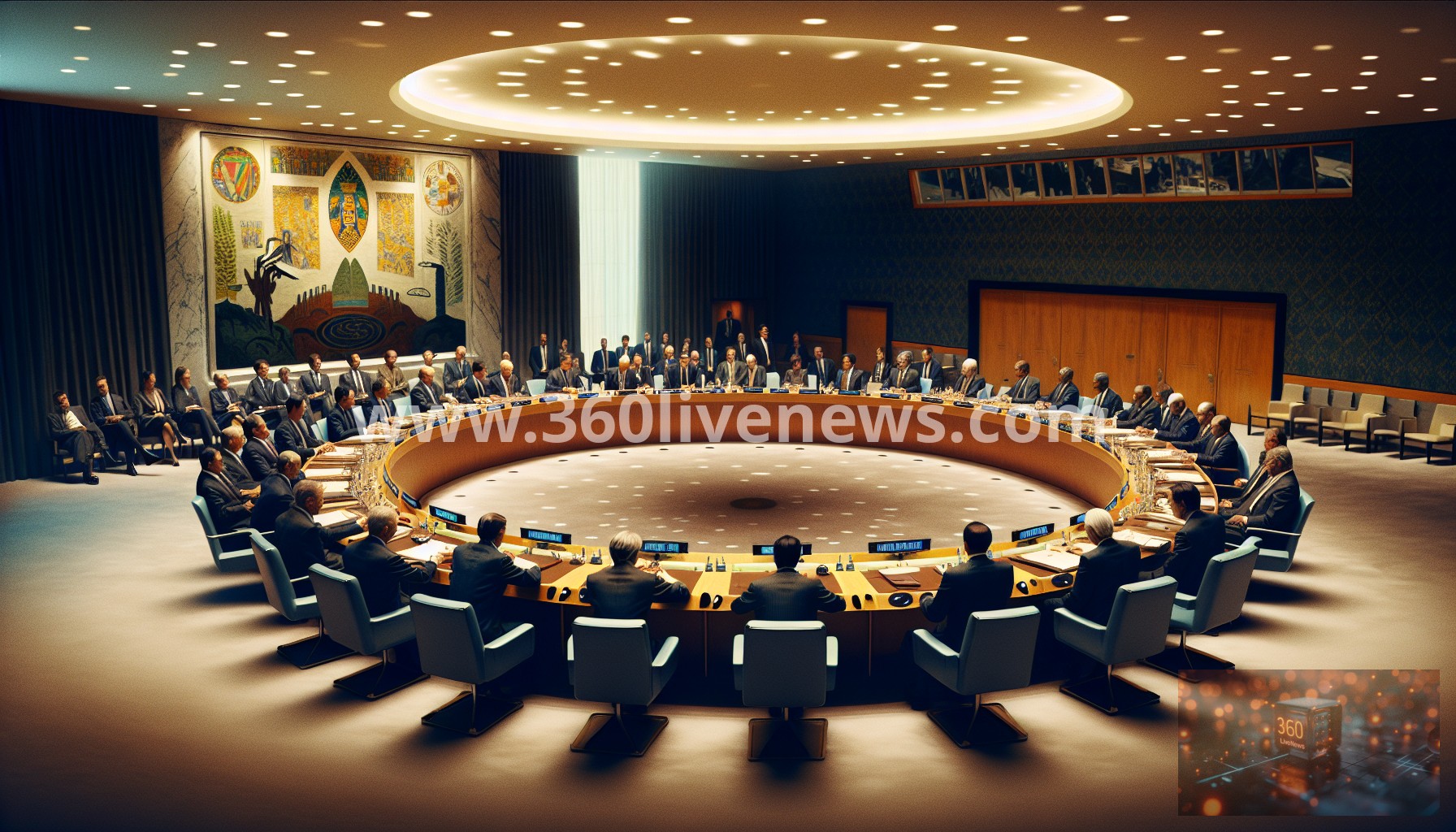
The ongoing conflict involving Iran saw a significant diplomatic moment at the UN Security Council, where two critical votes were held on the current situation in the Middle East. These votes were the first since military action had escalated, following recent strikes initiated by the United States and Israel against Iran. The resulting dynamics underscore the complexities and divisions within international responses to the conflict.
The first resolution, which was sponsored by Bahrain, aimed to condemn Iran for its actions. This resolution was adopted, reflecting support primarily from countries aligned with the U.S. However, it notably did not include any condemnation of the military actions taken by the U.S. and Israel. This absence signals a clear bias that has drawn criticism from various quarters, particularly from nations emphasizing a need for a more balanced approach to the ongoing conflict.
In contrast, the second proposed resolution co-sponsored by Russia called for a condemnation aimed at both Iran and the U.S., Israel coalition. This resolution was, however, met with a veto from the United States, illustrating the broader geopolitical tensions at play in the region. Analysis suggests that the rejection of the Russian resolution reflects not only the existing military alignment but also the diplomatic predicaments facing nations involved in the Security Council.
The backdrop to these developments is critical for understanding the broader implications for the Gulf region, particularly as the energy infrastructure and economic stability of member states like Bahrain and others of the Gulf Cooperation Council (GCC) are threatened by the turmoil. For decades, these states have invested significantly in diversifying their economies but are now facing repercussions due to the ongoing conflict.
As tensions have intensified, the Strait of Hormuz, a vital shipping route for oil and gas, has come under pressure, with increased military activities impacting commerce and security provisions. Reports indicate that costs associated with interception of shipping and retaliatory measures are soaring into the billions. Salem Al-Jahouri, a prominent journalist from the region, has described the situation as a geopolitical “squeeze,” placing states in a precarious position, trying to navigate between U.S. and Iranian interests.
These developments are indicative of the fractured economic relations within the region, raising concerns about stability and security. The diplomatic votes at the UN serve as a mirror reflecting deeper geopolitical tensions and the sometimes conflicting interests of member nations vying for both security and economic viability amidst the chaos.
In the midst of these geopolitical maneuvers, the implications of these votes may extend beyond immediate military concerns. Countries in the Middle East are observing these outcomes closely, as they will significantly influence future diplomatic dialogues and economic engagements. Furthermore, as the conflict escalates, the effectiveness of the UN in mediating and addressing grievances will be scrutinized both regionally and internationally.
As the conflict continues into another phase, the focus on diplomatic engagements will be critical in mitigating further escalation. Stakeholders from various nations, including those in the GCC, will need to weigh their responses carefully, considering both immediate economic impacts and long-term regional stability. The juxtaposition of the approved Bahrain resolution and the Russian veto reflects the ongoing complexity in international relations and the shifting dynamics of power within the Security Council.
As the world watches these developments unfold, the decisions made at the UN will not just shape the current situation but could also pave the way for future relations in a region known for its volatility. The need for a balanced approach that considers the multitude of voices in the conflict seems more pressing than ever, especially in light of the economic ramifications that extend well beyond any single nation's borders.
#Iran #Israel #Bahrain #UnitedNations #GCC #Security #Diplomacy #MiddleEast
