Projectile explodes in Negev desert, escalating tensions linked to Iran conflict amid intensified US-Israel military operations
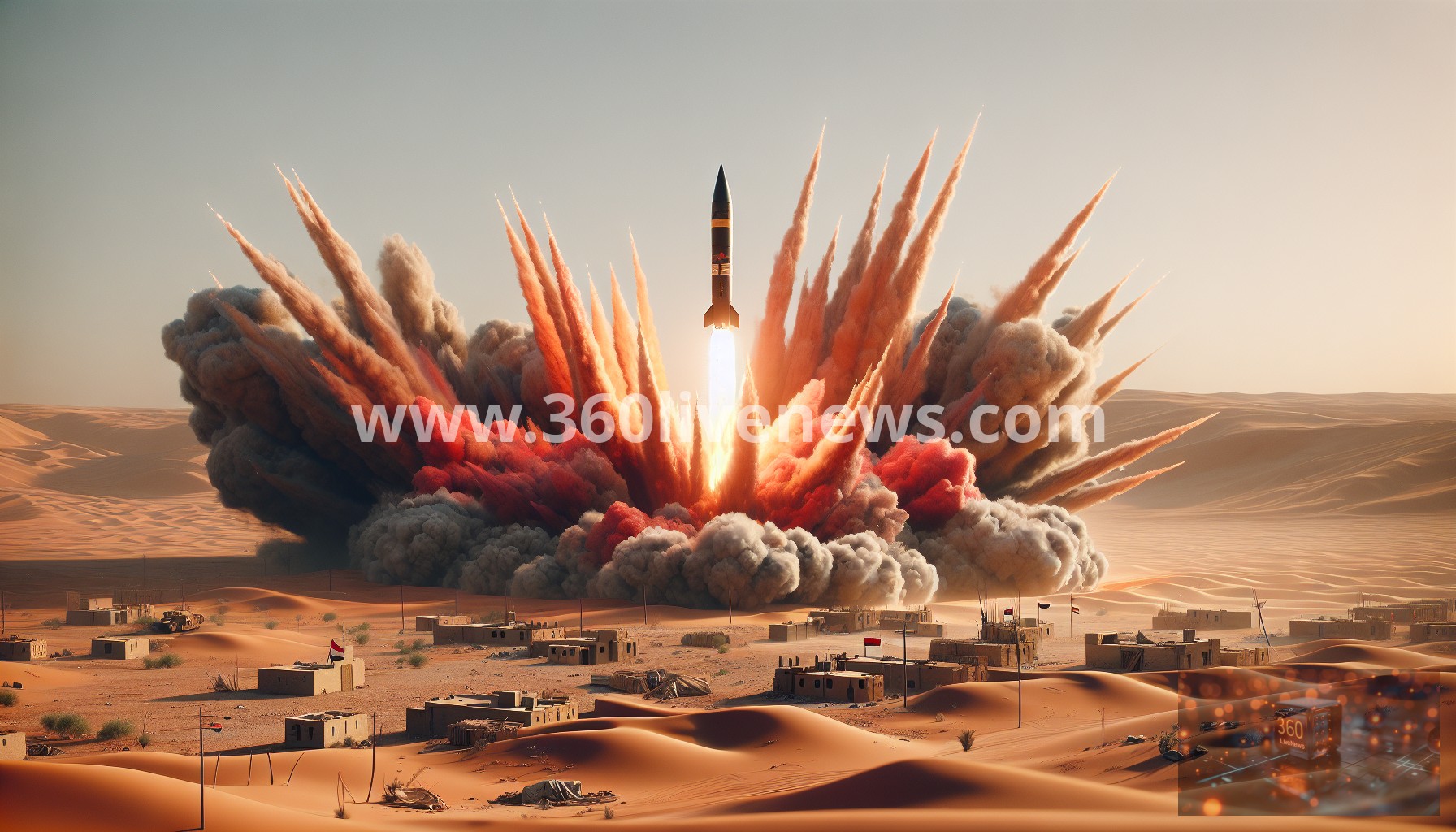
In a significant escalation of tensions in the region, a projectile fell and exploded in the Negev" target="_blank" rel="nofollow noopener">Negev desert area of southern Israel late Friday. This incident is attributed to ongoing activities linked to the conflict involving Iran, coming just days after the United States and Israel intensified their military operations against Iranian targets. Video footage capturing the moment the projectile impacted has since circulated widely on social media, further heightening concerns over the deteriorating situation.
Footage of the explosion revealed dramatic scenes, underscoring the volatility in the region as military engagements between Iran and Israeli forces continue to unfold. The location of the incident has been specifically identified as part of the Negev region, which is a sparsely populated area known for its desert terrain. Following the incident, local authorities haven't reported casualties, yet the psychological impact and potential for escalation remain palpable.
Further context on the unfolding conflict highlights the statements made by U.S. President Donald Trump, who recently claimed that the United States is "way ahead of schedule" in what he referred to as the war with Iran. In this political context, Trump asserted that Iranian forces have been "decimated", fueling speculation regarding the future of U.S. military involvement in the region. These comments were made against a backdrop of significant political pressures, including dissent even within his own party regarding continued military actions against Iran.
Amidst this dialogue, influential conservative figures such as Tucker Carlson have expressed a stark warning against escalating military involvement, arguing that the conflict should be viewed primarily as Israel's war rather than America's. Carlson's commentary, aimed at mobilizing opposition to U.S. involvement, emphasizes the broader consequences of war on societal freedoms and national identity. His advice to secure an expedited withdrawal reflects a growing divide among conservative circles regarding the ongoing military strategies.
The situation continues to evolve as geopolitical ramifications are felt beyond the immediate conflict area. The recent military actions and their impact on vital shipping routes such as the Strait of Hormuz have raised oil prices significantly. Reports indicate that crude oil prices soared to around $100 a barrel due to fears related to the blockade of this crucial waterway, resulting in broader economic implications including rising inflation pressures globally.
Investors are actively reassessing their positions in light of these developments. Analysts suggest that sectors in China, particularly in energy and petrochemicals, could see gains as companies adjust to the surging oil prices. Organizations like Satellite Chemical and Guangdong Redwall New Materials have reportedly raised product prices in response to these market changes, positioning themselves to leverage the economic fallout from the ongoing conflict.
The intersecting dynamics of military strategy, economic markets, and political responses frame a complex picture of the current crisis. As more aggressive military operations ensue, the ramifications could extend beyond immediate military targeting, influencing strategic economic partnerships and global trade patterns. The urgency for diplomatic solutions grows clearer, highlighting the need for a multifaceted approach including regional dialogues and international cooperation.
Ultimately, as military engagements in the region escalate, the international community must navigate these tensions with caution. The consequences of this latest incident in southern Israel could ripple through diplomatic relations not only in the Middle Eastern landscape but also resonate within U.S. domestic politics. Observing how these events unfold will be critical for decision-makers both in Washington and key capitals around the world.
#Iran #Israel #Negev #Trump #TuckerCarlson #OilPrices #USMilitary #MiddleEast
