Israeli airstrikes in Lebanon have killed 26 paramedics and injured 51 amid escalating conflict with Hezbollah
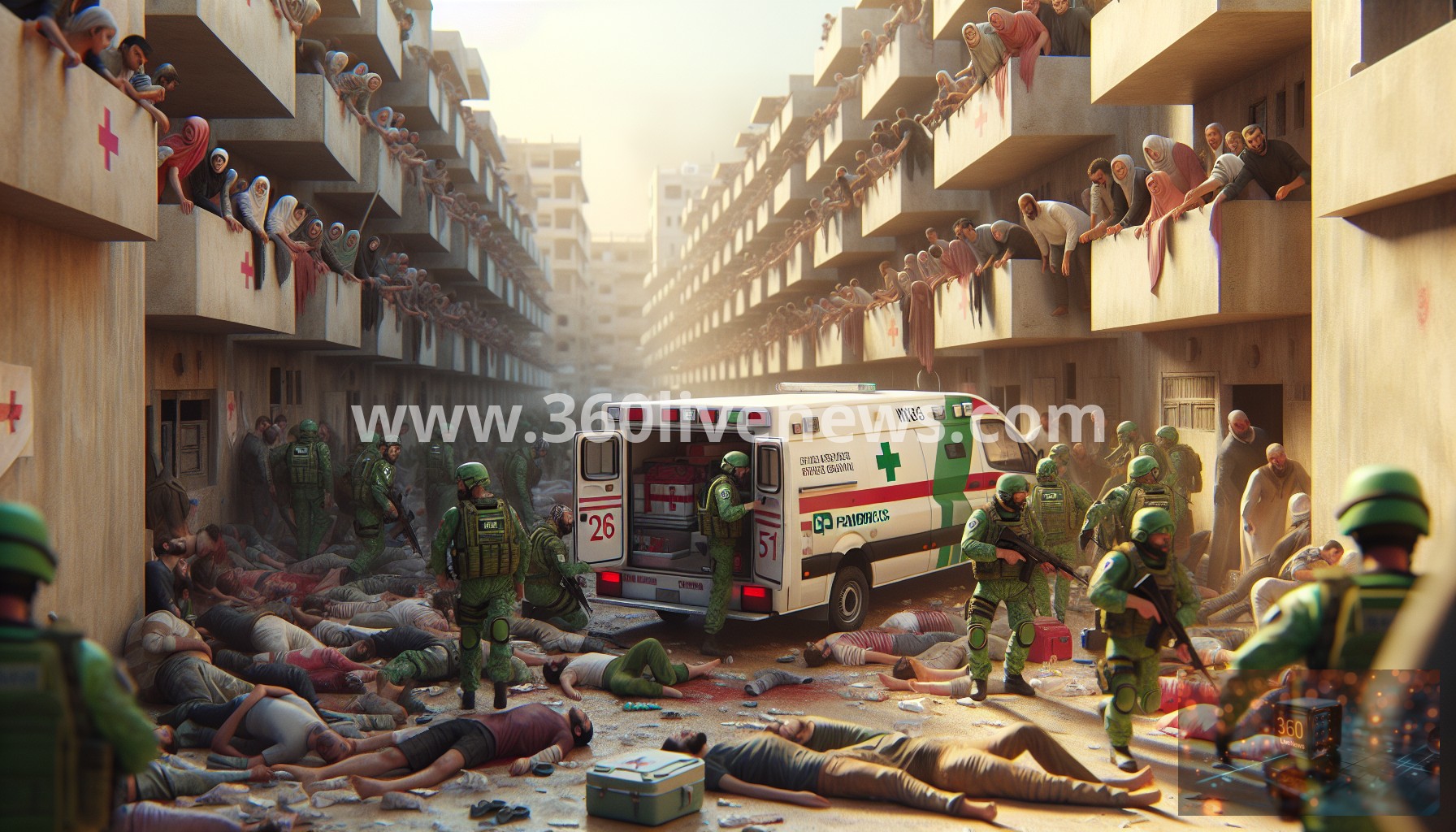
Recent escalations in the conflict between Israel and Hezbollah have resulted in significant casualties among medical personnel in Lebanon. Lebanon’s health ministry reported on Saturday that Israeli airstrikes have killed at least 26 paramedics and injured 51 others since the conflict intensified. This troubling trend has drawn widespread condemnation and raised concerns about the protection of healthcare workers in conflict zones.
On the same day, another airstrike specifically targeted a clinic in southern Lebanon, resulting in the deaths of 12 medical staff members. The Health Ministry's statements accused Israel of deliberately targeting ambulance crews engaged in rescue operations. This accusation follows claims made by the Israeli military indicating that Hezbollah has been using ambulances for military purposes, exacerbating tensions further.
The escalation of violence began recently following Hezbollah's attack on Israeli positions, which was reportedly in response to the killing of Iranian Supreme Leader Ayatollah Ali Khamenei in coordinated US-Israeli strikes. Such developments mark a significant deepening of the broader conflict in the region, particularly as Iran’s regional influence is manifesting in more pronounced hostilities.
Prior to these recent airstrikes, the ongoing conflict has opened significant health and humanitarian concerns. Healthcare systems in Lebanon, already strained, now face the dual burden of providing care amidst violent confrontations and addressing the growing number of casualties among medical professionals, who are critical to emergency response. The Lebanese health system has historically struggled with capacity and resource limitations, further compounding the crisis.
The implications of this violence extend beyond immediate casualties. Organizations such as the International Committee of the Red Cross (ICRC) have expressed their concerns over the safety of medical personnel, emphasizing the critical need for all parties to adhere to international humanitarian law, which mandates the protection of healthcare workers during conflicts.
In the context of these ongoing hostilities, Iran's role as a stabilizing or destabilizing force in Middle Eastern geopolitics cannot be understated. Tensions between Iran and the United States have intensified, particularly following US military actions against Iranian targets, which have subsequently drawn retaliatory threats from Iran's Revolutionary Guards. These escalating threats have raised alarms about the potential for broader regional conflict.
The situation remains fluid, with potential geopolitical ramifications that could reshape alliances and disrupt stability in key regions. Observers note that the Israeli actions in Lebanon and the subsequent Iranian responses indicate a possible shift in the regional balance of power, particularly as both nations navigate their complex relationships with the United States.
Furthermore, the political repercussions within Lebanon may lead to increased domestic unrest, as citizens respond to the loss of health workers and the overall toll of conflict. Already fragile political dynamics may be tested as public outrage toward the Israeli strikes grows, complicating Lebanon's already tense internal politics.
As the situation develops, both humanitarian organizations and state actors are closely monitoring the outcomes and responding where possible. The international community is increasingly called upon to advocate for the protection of civilians and medical personnel in conflict areas, a plea that remains urgent in light of falling casualties and the ongoing nature of military operations in the region.
#Israel #Lebanon #Hezbollah #Iran #Humanitarian #Healthcare #ICRC #MiddleEast
