Escalating violence in Lebanon leads to nearly 700 casualties as diplomatic calls for peace intensify amid ongoing conflict
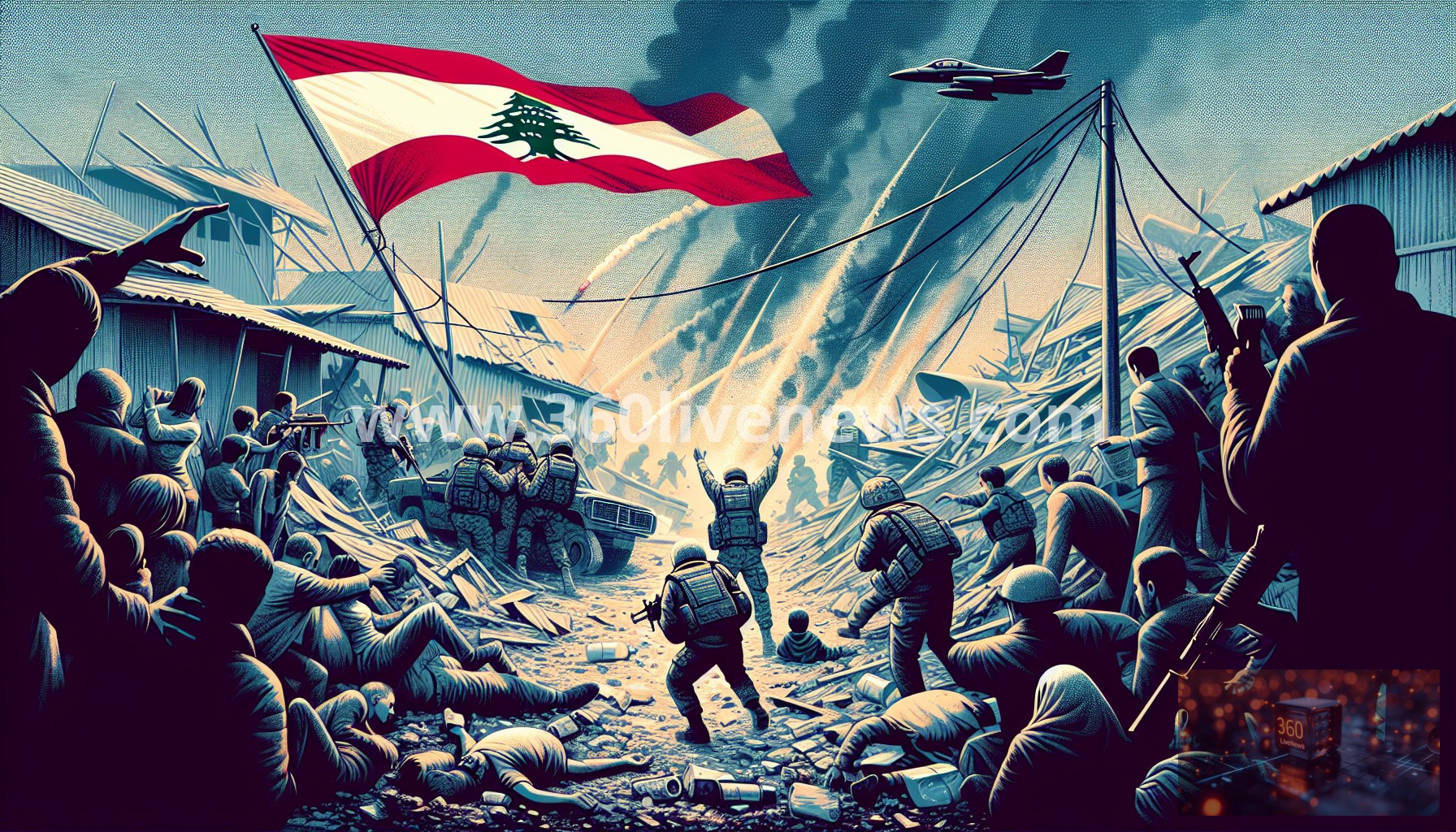
As violence escalates in Lebanon, with reports indicating nearly 700 casualties, including the recent killing of priest Pierre al-Rahi amid Israeli artillery shelling, diplomatic voices are urging restraint and increased efforts for peace. United Nations Secretary-General Antonio Guterres has emphasized the importance of diplomatic solutions to the ongoing conflict, stressing that “there is no military solution, only diplomacy”. His comments come against the backdrop of heightened military engagements, particularly with Hezbollah's attacks on Israel precipitating broader hostilities in the region.
In his visit to Beirut, Guterres affirmed the need for international support of the Lebanese government, which had previously committed to disarming Hezbollah. He expressed that diplomatic channels remain available, suggesting active discussions could prevent further escalation of violence. Guterres stated, “The diplomatic avenues are available, including through my special coordinator for Lebanon and through key member states”, highlighting the urgent need for dialogue in securing peace in the region.
The recent surge in violence was ignited last week when Hezbollah launched attacks on Israel in retaliation for the killing of Iranian supreme leader Ayatollah Ali Khamenei, attributed to US-Israeli military operations. This escalation has not only increased military tensions but also placed immense strain on Lebanon’s already fragile state, once again thrusting the nation into a cycle of conflict that many had hoped was waning.
In a related context, US Defense Secretary Pete Hegseth's troubling remarks, suggesting “no quarter” would be offered to US enemies, have received criticism from lawmakers concerned about adherence to international law. Senator Mark Kelly, a former military pilot, articulated the gravity of such statements, arguing that they reflect an understanding of armed conflict that disregards established legal norms. Kelly stated, “An order to give no quarter would mean to take no prisoners and kill them instead, which cannot be accepted.”
The situation presents a complex web of interests. Iran's backing of Hezbollah against Israel complicates any straightforward resolution. Diplomatic efforts must navigate the longstanding histories of animosity not only between these two entities but the role of external powers in the region. As tensions spike, the consequences for Lebanon, which has experienced one of the worst economic crises in recent history, deepen. Almost half of the Lebanese population is reported to be living below the poverty line, a dire situation further heightened by ongoing violence.
The visit by the Vatican envoy to Qlayaa following the priest’s death underscores the human cost of this conflict, with religious and community leaders urging reconciliation. The envoy's presence conveys not just a gesture of solidarity but aims to rally support for peace-making efforts amid increasing despair over the mounting death toll. Reports indicate that as many as 700 Lebanese have lost their lives since the escalation began, highlighting the urgent humanitarian crisis unfolding.
Previous diplomatic measures have failed to deliver lasting peace, with Lebanon remaining divided along sectarian lines. Continued military engagement by both Hezbollah and Israel raises concerns that Lebanon could bear the brunt of a wider confrontation, exacerbating humanitarian crises. The UN has presented a framework for de-escalation, which involves not just discussions between Lebanon, Israel, and Hezbollah but also engagement from Iran and broader international actors.
The ramifications of these ongoing conflicts extend beyond Lebanon, affecting geopolitical stability in the Middle East. The potential for a renewed round of warfare has implications for international relations, further complicating Western involvement in the region. The U.S. particularly, as tensions with Iran and its allies heighten, may find that military rhetoric from its leaders risks embroiling American forces in conflicts that contradict established norms of engagement.
The situation remains fluid, and as Guterres noted, the international community must support diplomatic efforts to curb violence and address the humanitarian needs of the Lebanese people. Diplomatic channels are pivotal, but if military strategies dominate the narrative, the prospects for peace remain bleak, risking an irreversible escalation into wider regional conflict.
#Lebanon #Israel #Hezbollah #UN #PeteHegseth #AntonioGuterres #MilitaryConflict #DiplomaticEfforts #HumanitarianCrisis #Iran #InternationalLaw #MarkKelly #Vatican #MiddleEast
