Israel's military begins limited ground operations in southern Lebanon amid rising regional tensions and security threats
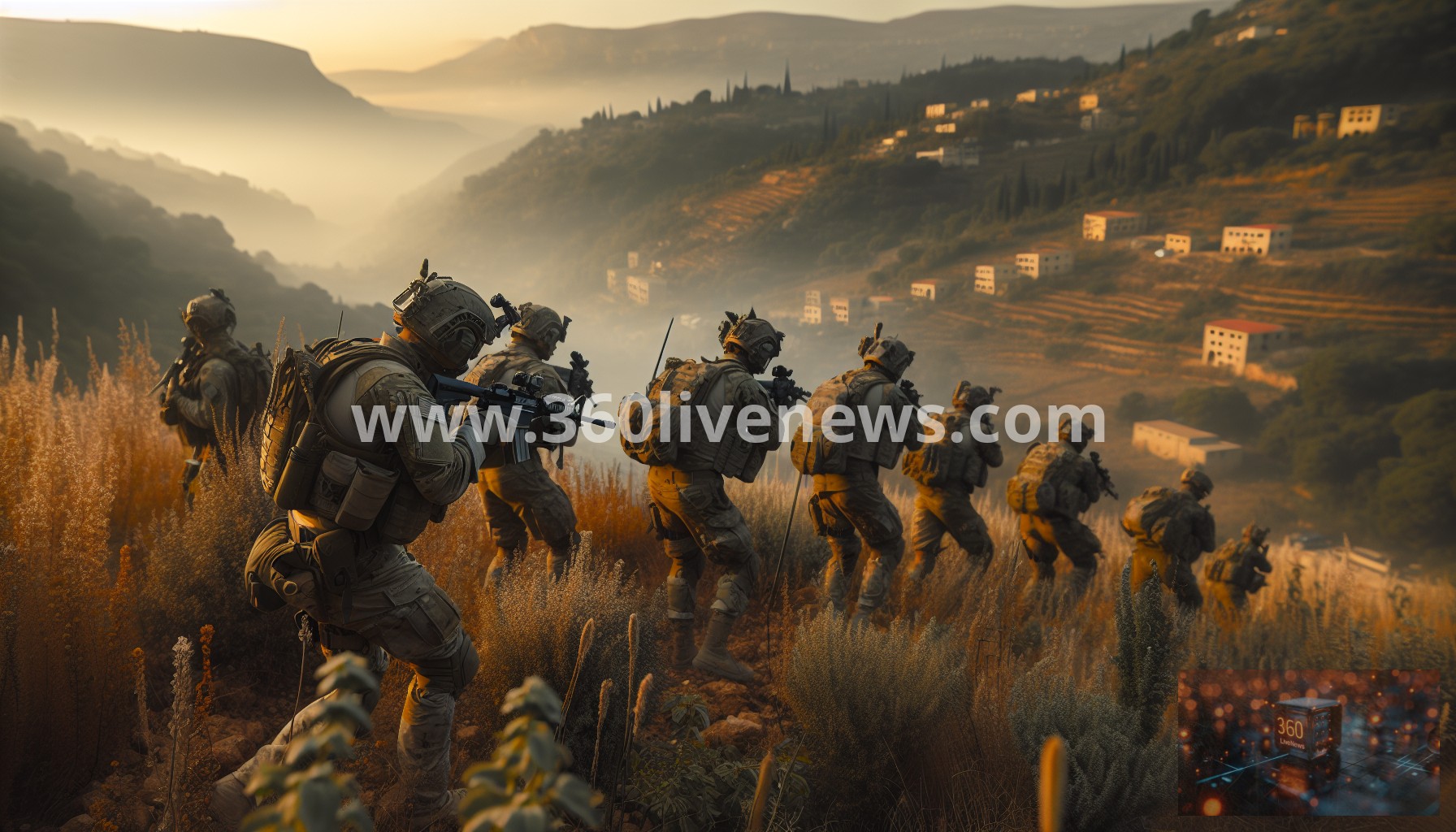
Israel's military initiated limited ground operations in southern Lebanon as tensions in the region increase, particularly concerning the ongoing conflict involving Iran. The operations come in response to security threats posed by militant groups operating from Lebanon. This development marks a significant escalation in the already volatile situation, as Israel continues to align its military strategy with broader initiatives aimed at countering Iranian influence in the region.
According to various reports, these limited operations are part of Israel's continued efforts to fortify its northern border. The Israeli Defense Forces (IDF) have been actively engaged in operations intended to preempt attacks from Hezbollah and other allied groups. The recent maneuvers include increased surveillance and intelligence gathering in the region, aimed at mitigating potential threats that these groups pose through their rocket and missile capabilities.
The geopolitical fabric in the area has been impacted heavily by the rising tensions between the United States, Israel, and Iran. The conflict has led to various international reactions, with nations like the United States vocally supporting Israel's operations, while concurrently urging restraint to avoid further escalating regional hostilities. This discourse is indicative of the complexities surrounding alliances and military strategies in the Middle East.
A critical aspect of these developments is the economic fallout anticipated due to the ongoing conflict. Commodity markets are already experiencing fluctuations, with crude oil prices spiking as concerns over supply routes intensify. For instance, oil prices have recently topped $106 a barrel, primarily driven by fears of supply disruptions linked to the strategic Strait of Hormuz, a vital waterway for global oil shipments.
Moreover, the impact of the situation extends beyond the immediate military engagements. Countries like Japan are now actively releasing oil reserves as a countermeasure to soaring global prices caused by the conflict. Japan has announced the release of up to 80 million barrels of oil from its strategic reserves, a move echoed by the International Energy Agency's coordination of a release of an unprecedented 400 million barrels in response to market pressures.
Adding another layer of complexity, the European Union is convening energy ministers to discuss emergency measures aimed at curbing soaring energy costs as a direct consequence of the conflict. These meetings underscore the high stakes not only for regional actors but for global markets as well, given Europe's heavy reliance on imported oil and gas. The proposed measures could involve cuts on national taxes and other state supports, highlighting the urgent need for stability within the energy sector.
As Israel's ground operations continue, the possibility of further escalation remains. The international community is watching closely, with leaders advocating for diplomatic solutions alongside military strategies to mitigate rising tensions. The United Nations has reiterated its call for peace and stability in the region, cautioning against actions that could lead to broader conflict.
This ongoing situation underscores the interconnectedness of military, economic, and diplomatic factors at play. Israel's operations in Lebanon can be viewed as part of a larger struggle against proxy forces backed by Iran, which directly influences energy markets and political relations on a global scale. In this backdrop, regional allies of Israel are likely weighing their responses carefully, considering the balance of power and potential repercussions of any military engagement.
#MiddleEast #Israel #Lebanon #Iran #Oil #WorldNews #Geopolitics #MilitaryOperations
