European nations discuss strategies to protect the Strait of Hormuz amid rising tensions in the Middle East
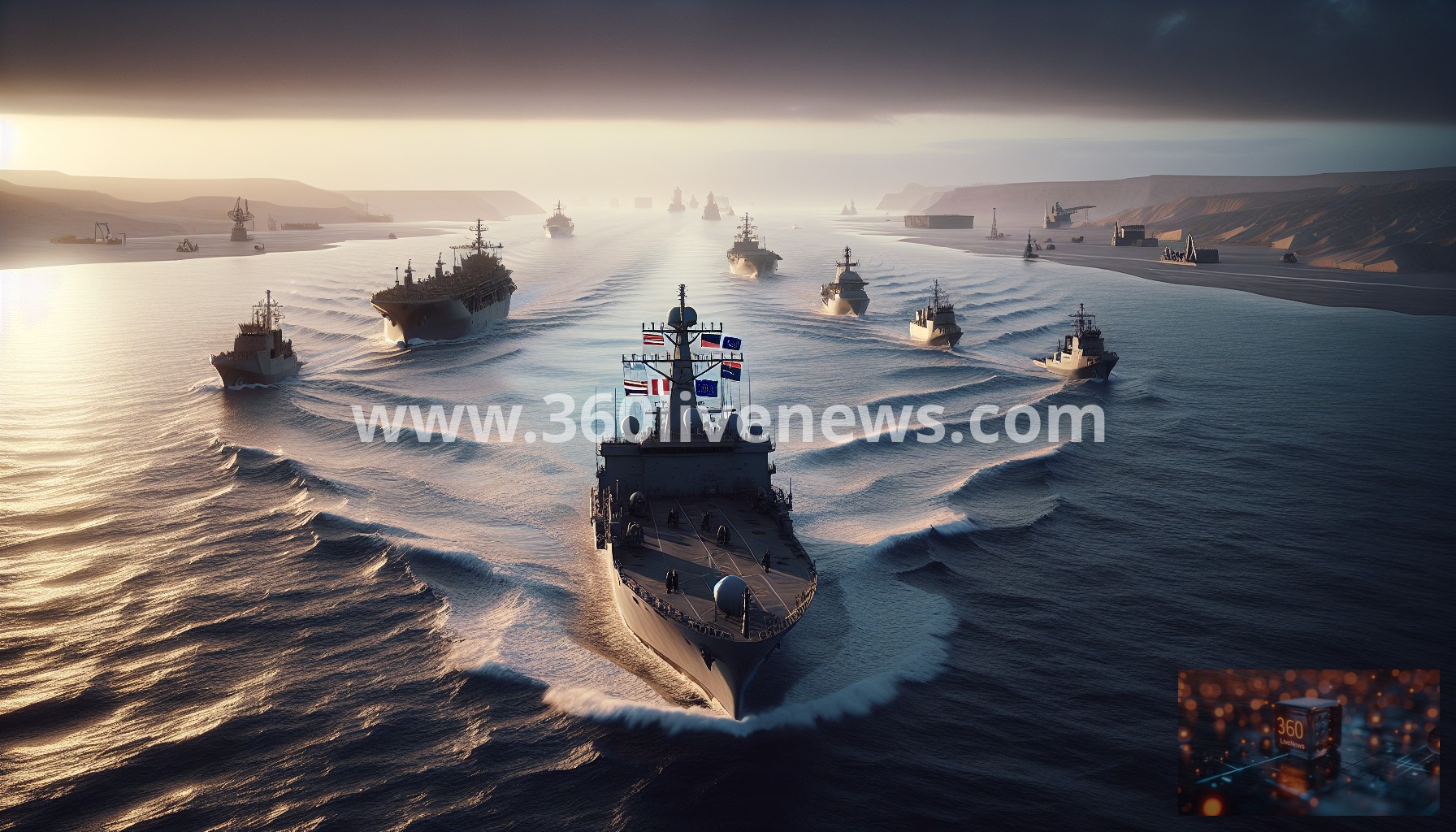
As tensions escalate in the Middle East, European nations have begun deliberating options to aid in safeguarding the Strait of Hormuz. This strategic waterway is crucial for global energy supplies, especially as fears of a broader conflict intensify in light of military operations launched by Israel against Iranian-backed groups. As the situation persists, the EU's foreign ministers convened this week in Brussels to evaluate their roles in the ongoing military engagements.
More than two weeks into heightened hostilities involving Iran, Israel, and the United States, the call for European support has become pressing. Recent military operations by Israeli forces have extended into Lebanon, where ground assaults target the militant group Hezbollah. Concurrently, drone attacks have disrupted flights in and out of Dubai International Airport, raising alarms over regional stability and security.
At the heart of the matter, U.S. President Donald Trump has urged his allies, including countries like France, China, and South Korea, to contribute military presence in this crucial shipping lane. The EU’s response has thus far been cautious, with some member states demanding clarity on the U.S.'s military objectives in the region before committing resources.
This latest phase of conflict comes at a time when oil prices are surging, prompting fears of a global economic impact should the Strait of Hormuz become increasingly volatile. Approximately 20% of global oil passes through this narrow passage, making security here paramount. With discussions ongoing among EU ministers, the ramifications of military escalations could reverberate well beyond the Middle East.
Iran has remained defiant in the face of mounting pressure, with state media propagating anti-American and anti-Israeli sentiment, calling for public demonstrations to coincide with the traditional fire festival known as Chaharshanbe Suri. These events are reportedly aimed at galvanizing domestic support while expressing dissatisfaction with foreign interventions.
In the backdrop of these tensions, the European Union is weighing its options. EU foreign ministers are tasked with finding a balance between supporting ally initiatives and ensuring their national interests are safeguarded. This delicate balancing act underscores persistent geopolitical strains and highlights the complexity of multilateral responses in modern conflicts.
Service disruptions, such as those reported at Dubai Airport, along with the intensification of military operations, reflect the growing instability in the region. The EU’s hesitance to join military operations reflects a broader reluctance among nations to engage directly in conflicts not directly impacting their sovereign interests.
The implications of these developments extend beyond immediate military concerns, touching on aspects of global trade, oil supply security, and international relations. As European nations evaluate their positions, the next steps may heavily influence regional dynamics and future discussions about conflict engagement and diplomatic strategies.
This ongoing situation continues to evolve, and as discussions unfold within the European bloc, the international community watches closely to gauge the potential impacts of both military action and diplomatic negotiations.
#MiddleEast #EU #Iran #Israel #US #StraitOfHormuz #Hezbollah #Trump
