Iran's Supreme National Security Council Secretary Ali Larijani reportedly killed in Israeli airstrike amid rising tensions
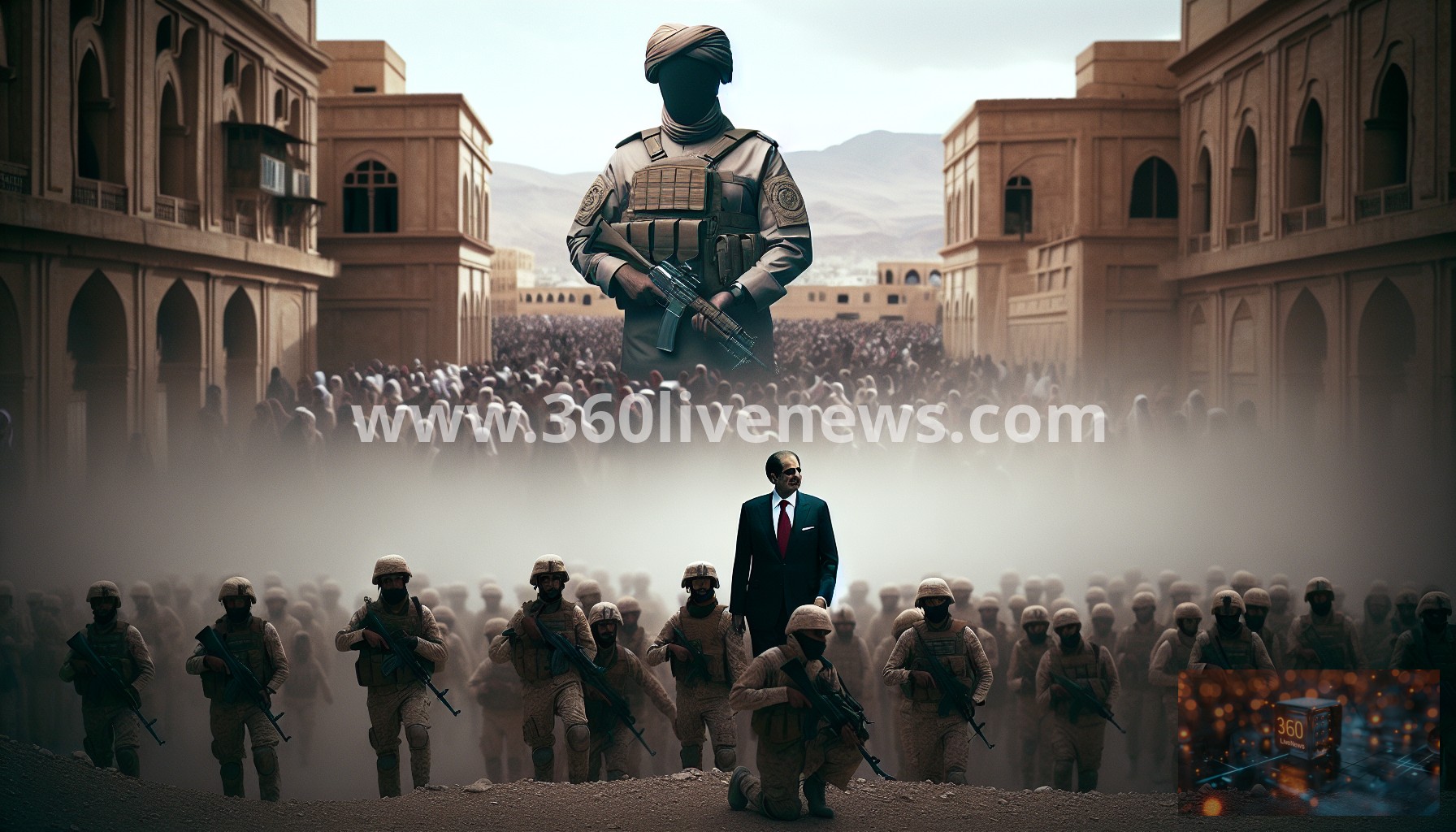
In a significant escalation of tensions between Iran and Israel, Ali Larijani, the secretary of Iran’s Supreme National Security Council, has reportedly been killed in an Israeli airstrike. This development comes shortly after Larijani made notable public threats against former U.S. President Donald Trump, asserting that Iran would not back down to "empty threats". The Israeli Defense Forces (IDF) confirmed their involvement in the airstrike, asserting that it targeted Larijani as part of a broader military operation against Iranian leadership.
According to sources from Iran's Defence Ministry, the airstrike occurred late last night and marks one of the most critical assassinations in the ongoing conflict. Israel's Defence Minister, Israel Katz, has stated that Larijani's elimination represents a strategic move aimed at crippling Iran’s security framework. Additionally, Katz indicated that Larijani's assassination is part of an intensified military campaign against high-ranking Iranian officials, underscoring the aggressive stance of the Israeli government in addressing perceived threats from Iran.
Citing unidentified military intelligence sources, the Israeli military has claimed that the airstrike was successful in achieving its objective, reinforcing its operational commitment to neutralize Iranian command centers within the region. The context of this military operation ties back to the recent escalation of hostilities, where Israel has undertaken a series of strikes in the vicinity of Tehran targeting critical Iranian assets.
In observance of the gravity of the situation, Larijani’s death is now viewed as potentially the highest-level assassination since a series of strikes that reportedly killed former Iranian Supreme Leader Ali Khamenei and other senior officials during a significant military engagement initiated earlier this year. His assassination signals a severe escalation of military operations and raises questions regarding the broader implications for Iranian security and regional stability.
Ali Larijani was a prominent figure within Iran's political landscape, having previously held the position of Speaker of the Iranian Parliament and negotiated nuclear discussions with Western powers. His tenure as the secretary of the Supreme National Security Council has placed him at the center of Iran’s strategic military and diplomatic dealings, adding weight to the significance of his assassination.
Reports indicate that Larijani was last seen publicly during an al-Quds day rally in Tehran, advocating for Palestinian solidarity, reflecting his integral role in both national security and foreign policy. His loss may create a leadership vacuum within Iran's security apparatus, particularly given his experience and influence over Iran's strategic direction in addressing external threats.
Additionally, the airstrike coincides with claims from the IDF about the elimination of Gholamreza Soleimani, the commander of Iran's Basij paramilitary unit. The Basij is a crucial component of the Islamic Revolutionary Guard Corps (IRGC) and plays an essential role in internal security operations. The IDF has stated that intelligence guided these targeted strikes, highlighting Israel's focus on crippling Iranian leadership within Tehran.
This wave of targeted strikes signifies not only an immediate tactical maneuver by Israel but also a potential shift in the operational paradigm of the conflict. The deaths of high-ranking officials implicate increased militarization in the broader geopolitical landscape, as Israel seeks to mitigate what it perceives as the growing threat from Iranian nuclear advancements and regional ambitions. Analysts suggest that such assassinations may provoke stronger retaliatory responses from Iran, raising fears of an escalating cycle of violence.
The international community now watches closely as this situation unfolds, assessing the implications of these assassinations on future U.S.-Iranian relations and the stability of the Middle East. With Iran likely to adopt a hardline response, the repercussions could ripple across regional alliances and security dynamics, further complicating an already volatile environment.
#Iran #Israel #airstrike #security #MiddleEast #Geopolitics #defence #GeopoliticalTensions
