IMO Holds Extraordinary Session in London to Address Maritime Safety Amid Middle East Tensions
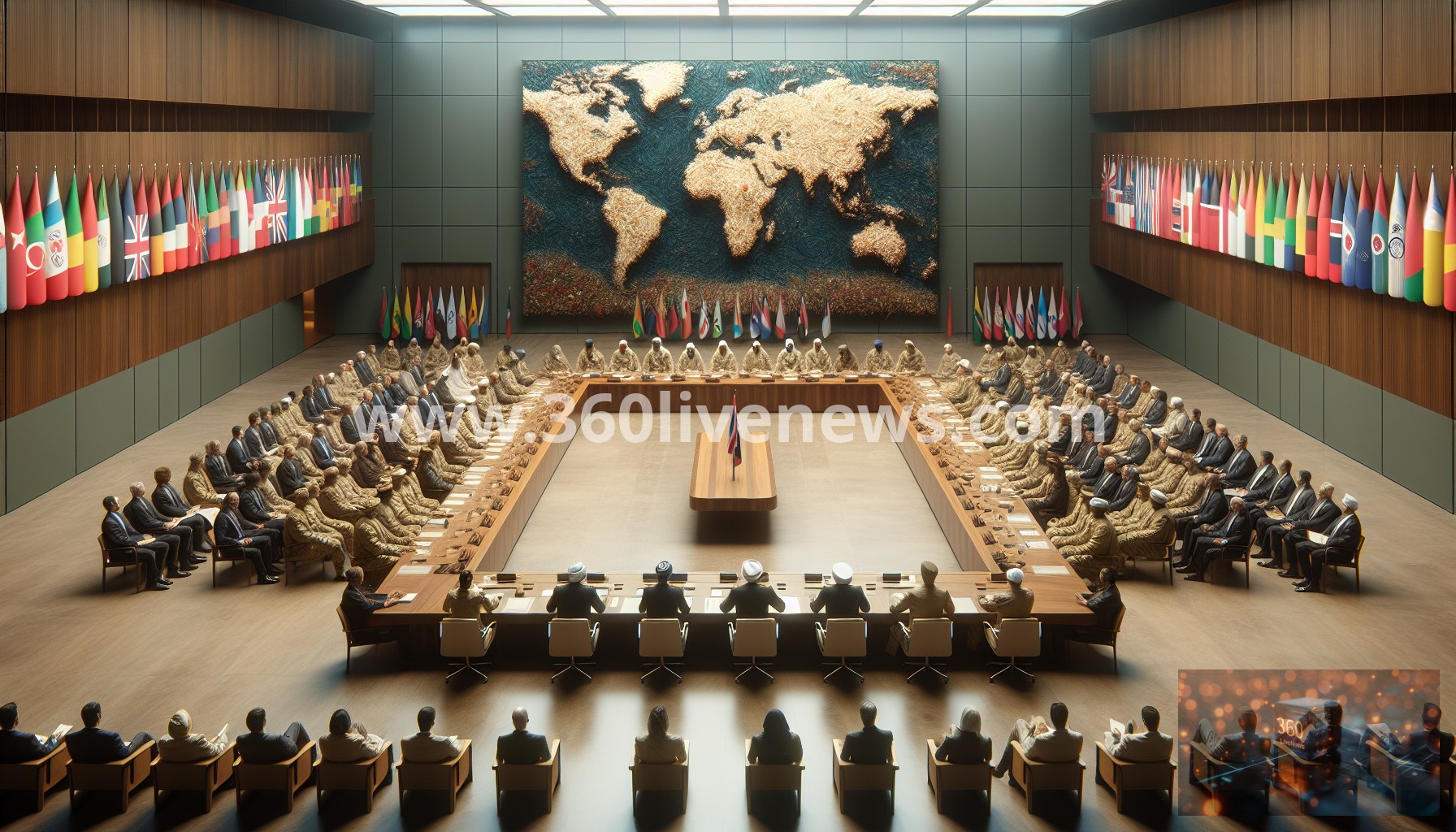
The International Maritime Organisation (IMO) has commenced an extraordinary session in London, responding to escalating tensions in the Middle East that have jeopardized maritime safety. This emergency meeting aims to address the potential risks facing thousands of stranded ships and seafarers amid ongoing conflicts linked to Iran's retaliatory actions against Israeli and US military operations.
Scheduled over two days, the session has drawn attention not only from its 40-member council but also from all 176 member states, various non-governmental organizations (NGOs), and maritime industry representatives. Central to the discussions is a proposal to establish a safe maritime corridor that would facilitate the evacuation of seafarers and ships currently trapped in the precarious waters of the Persian Gulf, particularly near the strategically vital Strait of Hormuz.
However, it is important to note that resolutions passed during the meeting will be non-binding, which raises questions about their actual implementation and effectiveness in mitigating the current crisis. The ongoing conflict has severely impacted shipping operations across the region, with reports indicating that commercial shipping has been significantly crippled due to heightened hostilities and threats.
The maritime sector is under increasing strain as global shipping routes face disruptions. This meeting comes as a direct response to Iranian retaliation against US and Israeli strikes, which has led to fears for the safety of both ships and their crews. The IMO is tasked with setting international standards for shipping safety, and the nature and response of its resolutions will undoubtedly affect operational protocols on a global scale.
Maritime experts underline the seriousness of the situation given the essential role the Persian Gulf plays in global energy supplies. Approximately 20% of the world’s oil passes through the Strait of Hormuz, marking it as a critical chokepoint. If safety and security cannot be guaranteed in these waters, the consequences could have far-reaching effects on global oil prices and international relations.
The emergency meeting's outcomes will also shed light on cooperative, multinational efforts to bolster maritime security in the face of geopolitical strife. As tensions escalate, the potential for commercial shipping to become a focal point for wider conflict remains a serious concern. The commitment of the international community to forge effective operational solutions could influence not only maritime safety but also broader geopolitical stability in the region.
In a historic context, the IMO's intervention reflects the organization’s role in navigating complex maritime issues arising from geopolitical conflicts. Such sessions have previously addressed various maritime concerns, including piracy and environmental hazards, laying the groundwork for collaborative international measures to enhance maritime safety.
As the situation develops, the focus will remain on the reactions of key stakeholders, including the US, Israel, and Iran. The implications of this meeting not only impact shipping but reflect broader strategic alliances and tensions in the region. Each resolution or statement clarified in this session will be closely monitored for its potential to shape future maritime security measures.
The ongoing crisis highlights the vulnerability of maritime infrastructure amidst international conflicts, emphasizing the need for effective diplomatic engagement to resolve underlying disputes. Experts suggest that robust dialogues within such international platforms could pave the way for future resolutions that mitigate risks while balancing geopolitical interests.
#MiddleEast #shipping #maritime #IMO #persianGulf #Iran #Israel #USA
