Tehran mourns senior security officials as authorities announce crackdown on alleged traitors following large funeral processions
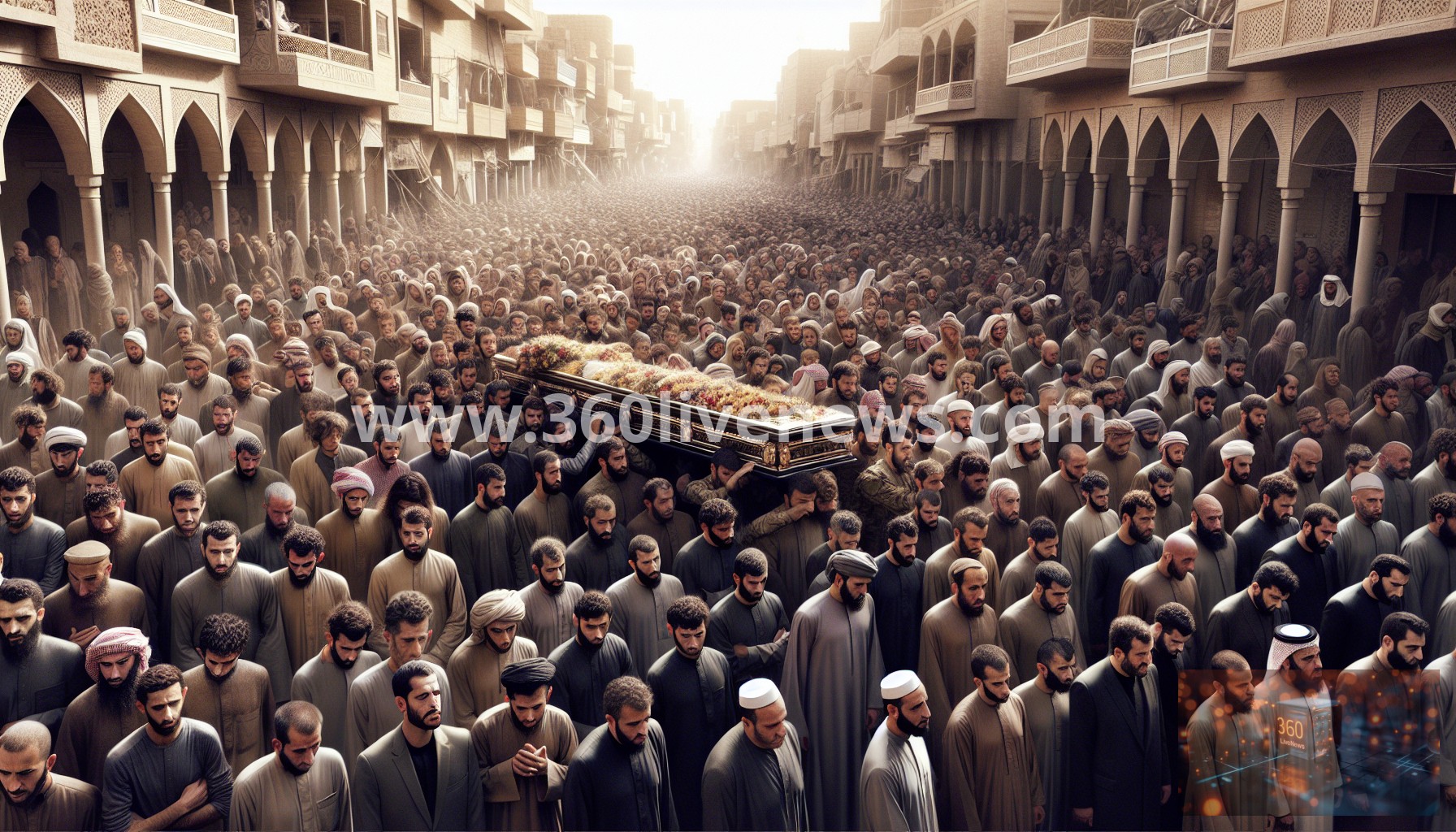
Crowds in Tehran mourned senior Iranian security officials Ali Larijani and Gholamreza Soleimani during funeral processions, marking a significant event for the country amid ongoing tensions with the United States and Israel. The ceremonies drew substantial public attendance, demonstrating the weight of these officials in Iran's geopolitical landscape.
In the wake of these funerals, Iranian authorities have announced a widespread crackdown on alleged "traitors." Reports indicate that over 300 arrests have been made as part of these operations. The Ministry of Intelligence disclosed that 111 groups identified as "pro-monarchy" were dismantled across 26 provinces in Iran. This response appears aimed at quelling dissent against the Islamic Republic, particularly during a culturally significant time leading up to the Persian New Year celebrations.
Security operations have intensified, especially as pro-government groups have been urged to take to the streets during Chaharshanbe Suri, a traditional fire festival conducted on the eve of the last Wednesday of the Iranian year. Officials expressed concerns that these festivities, which involve public gatherings and celebrations, could become breeding grounds for anti-government sentiments amidst heightened U.S.-Israeli hostilities.
Compounding the situation, Israel's Defence Minister Israel Katz announced that an operation targeting Iranian officials had successfully eliminated intelligence chief Esmail Khatib. While Iran has yet to acknowledge this report, Katz noted that Israel's military is now empowered to engage Iranian officials without prior governmental approval. This policy shift reflects a dramatic escalation in Israel's strategy towards Iran, emphasizing a more aggressive posture.
This recent surge in violence and political dissent comes against a backdrop of historical tensions post the 1979 Islamic Revolution, which saw Iran shift from a U.S.-backed monarchy to a theocratic regime. Since then, the Iranian government has often attributed internal dissent to foreign conspiracies, particularly implicating the U.S. and Israel as instigators against the regime’s stability. The Islamic Republic has faced numerous challenges in maintaining its grip on power.
The Iranian government has contextualized its crackdown as a necessary measure against threats to national security, particularly in light of the ongoing conflicts involving U.S. and Israeli interests in the region. Officials claim that the arrests come alongside the discovery of various weapons from the apprehended suspects, further framing the context as a battle against armed rebellion. The national security narrative is often used to justify such actions.
As tensions mount, the implications for Iranian society grow increasingly complex. The regime's actions have not only escalated domestic suppression but also brought forth international scrutiny regarding human rights and political freedoms. Observers note that Iran's reliance on heavy-handed tactics may lead to further unrest, particularly as citizen grievances about economic conditions and governance persist. The economic situation remains a critical factor in public discontent.
Internationally, the deaths of Larijani and Soleimani, both significant figures within Iran's national security apparatus, have the potential to shift power dynamics. Their losses could create a vacuum that shifts the motivations and actions of rival factions within Iran’s political landscape, raising concerns about potential retaliation against perceived enemies abroad. As these events unfold, they underscore the fragility of peace in a region where historical grievances remain potent, particularly in the context of Middle East conflicts.
The outcomes of this escalating conflict carry weight beyond Iran's borders, potentially influencing geopolitical alignments in the Middle East and complicating future diplomatic engagement with both U.S. and European entities. As Iran mobilizes against domestic dissent while also countering external threats, the delicate balance between security and public dissent will continue to shape its political environment.
#Iran #Tensions #Funerals #Arrests #Israel #Protests #ChaharshanbeSuri #MiddleEast
