Iraq Faces Increased Hostilities Following U.S.-Israeli Airstrike on Iran
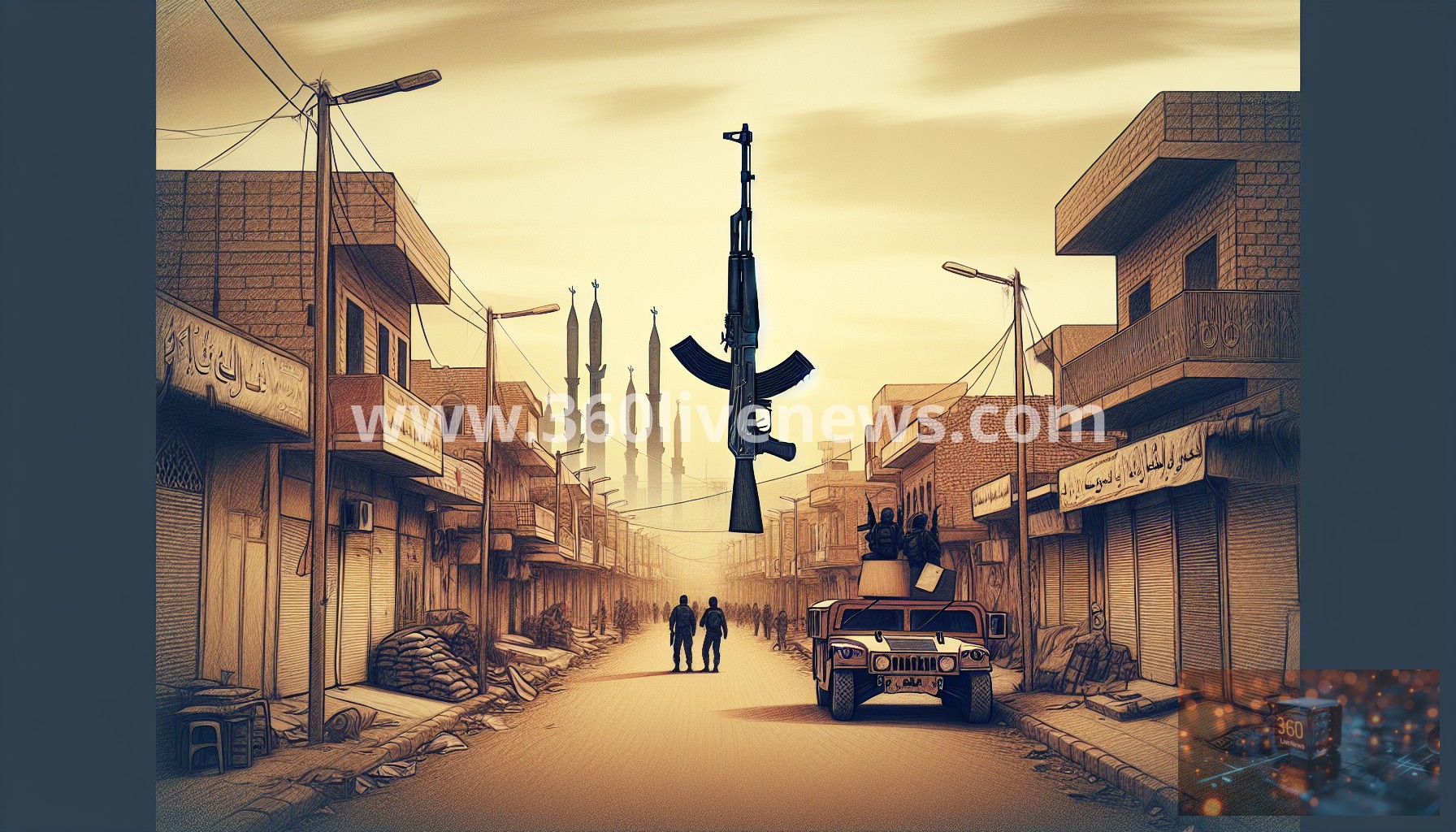
The conflict in the Middle East has intensified as Iraq finds itself increasingly caught in a web of hostilities initiated by the recent U.S.-Israeli airstrike on Iran. This attack, which occurred on February 28, has led to a series of retaliatory strikes by Iran-backed groups targeting U.S. interests within Iraq. The situation continues to evolve, with these groups launching near-daily assaults against American assets as tensions rise across the region.
Reports indicate that the U.S.-led aggression against Iran has had immediate repercussions in Iraq. Iran-supported militias have been implicated in orchestrating repeated attacks that threaten both U.S. personnel and Iraqi sovereignty. These developments highlight Iraq's precarious position between two powerful adversarial forces, raising significant concerns regarding its security and stability.
The backdrop of this conflict includes longstanding geopolitical tensions within the region, where U.S. presence is often met with resistance from various factions. Iraq's governmental framework, which is still stabilizing post the ISIS conflict, faces further strain as these military confrontations unfold. The Iraqi leadership has been vocal about the need for a diplomatic resolution to reduce the violence and instability permeating the nation.
In addition to Iraq's involvement, the recent strategic threats from high-profile individuals like former President Trump, who has pledged to target Iran’s South Pars gas field,one of the largest gas fields globally,if Iran continues to attack Qatari energy infrastructure, add another layer of complexity to the regional dynamics. Such threats raise fears of a broader conflict that could further engulf Iraq and the surrounding areas.
Casualty figures from the ongoing attacks remain fluid, yet the growing number of reported incidents underscores a troubling trend. While specific statistics on personnel losses have not been released, the Iraqi health ministry and military have indicated a significant uptick in attacks that could potentially lead to increased fatalities among forces and civilians alike.
Evacuations of personnel from foreign diplomatic missions and military bases in Iraq have become a necessary precaution amidst the escalating violence. Security agencies are on high alert, monitoring for any signs of further intrusions or attacks that could threaten lives and diplomatic relations in the region.
The backdrop of this escalating crisis also highlights the role of Iranian influence in Iraq, where various armed groups operate under Tehran's auspices. This influence complicates Iraq's attempts to pursue an independent foreign policy, as various factions vie for power and leverage within the Iraqi political landscape. Experts warn that without concerted efforts towards peace, Iraq could become a battleground for proxy wars, with lasting ramifications for its national unity.
At this critical juncture, international diplomatic channels will need to engage more proactively to de-escalate tensions and prevent further bloodshed. The intertwined fates of Iraq, Iran, and the U.S. underscore the need for a nuanced approach to conflict resolution, focusing on dialogue and engagement rather than military solutions.
#Iraq #Iran #MiddleEast #USForeignPolicy Israel">#Israel Geopolitics">#Geopolitics #Tensions Conflict">#Conflict
