Four Women Killed in West Bank Amid Escalating Conflict Involving Iran and Israel
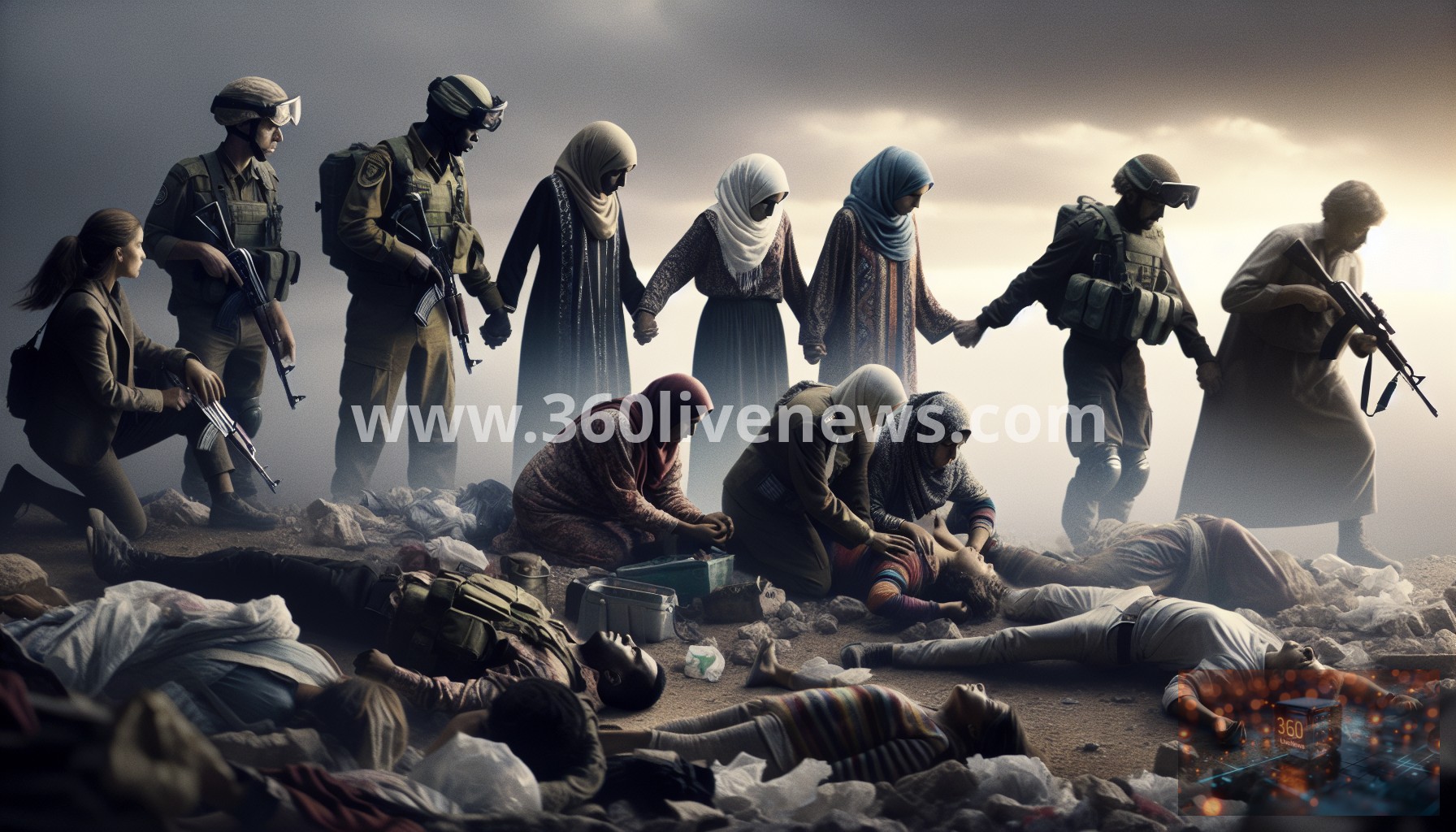
In a tragic incident, four women were killed in the West Bank, marking the first Palestinian fatalities linked to the ongoing conflict involving Iran, Israel, and their respective allies. The victims were reportedly at a salon for Eid al-Fitr celebrations when they were struck by a missile, although the source of the missile remains uncertain. This loss underscores the escalating violence as tensions rise amid military confrontations in the region.
As the conflict continues to unfold, reports indicate that the Strait of Hormuz has effectively been blocked, contributing to significant global economic implications, particularly in oil prices. President Donald Trump has publicly decried NATO members for not actively participating in military efforts to secure safe passage through this crucial waterway, which he claims is essential to alleviating rising oil costs. He criticized these allies as "cowards" for their inaction during a critical moment in international relations.
Trump’s statements highlight dissatisfaction with NATO’s perceived reluctance to back the United States and Israel amid this ongoing conflict with Iran. He accused NATO member countries of failing to provide necessary support for the US-Israel coalition fighting against Iranian influence, which has manifested militarily. The President's comments were made through his Truth Social platform, emphasizing the urgency and frustration the US faces in coordinating coalition efforts against Iran.
The current situation in the West Bank is part of a broader narrative, steeped in escalating violence between Israel and Iranian-backed groups in the region. Previous incidents have seen military actions that have significantly impacted civilian populations, and this latest strike adds to that troubling record. It highlights the potential for civilian casualties amid military strategies that prioritize territorial and strategic gains over human lives, regardless of political affiliation.
Understanding the dynamics at play, Iran's involvement in the conflict represents a continuation of historical enmities where proxy wars have been fought through local actors. Each military action intertwines with a complex web of geopolitical strategies, reflecting the tensions that have long characterized the relationship between Iran, Israel, and their respective allies. The tragedy of civilian casualties, especially women's and children’s lives, remains a somber reminder of the broader human costs involved.
Moreover, Trump's rhetoric about NATO raises critical questions about transatlantic relations and collective defense. NATO’s founding principle of mutual defense is under scrutiny as member nations grapple with their roles in the current conflict. Trump’s accusations suggest a fracture in the alliance, potentially reshaping how foreign policy and defense strategies are constructed moving forward, particularly concerning Middle Eastern geopolitics.
The response from NATO countries will be crucial in determining the next course of action. Countries may face a moral dilemma as they balance their commitments to collective defense with the implications of active military engagement in complex regional conflicts. Continued inaction could lead to a further erosion of trust between the US and its European allies, as they are drawn into debates over military spending, commitments, and strategic priorities.
As the international community watches these developments closely, the implications are profound not only for the Middle East but for global security. The strategic importance of the Strait of Hormuz, through which a significant percentage of the world’s oil trade passes, puts added pressure on NATO and US allies to consider their role and response to escalating tensions in Iran. The unfolding events raise urgent questions about energy security, military engagement, and humanitarian accountability in conflict zones affecting millions.
This tragic incident involving the deaths of innocent civilians starkly illustrates the human cost of geopolitical confrontations. It calls for a renewed focus on diplomatic measures to de-escalate tensions that threaten to engulf more nations into the conflict. As the situation develops, international observers urge for pathways toward peace that prioritize human rights and the welfare of civilians caught in the crossfire.
#Iran #Israel #WestBank #NATO #Trump #Conflict #MiddleEast #Eid
