Tensions Rise in Middle East Amid Iranian Military Actions and Attacks on US Diplomatic Centre in Baghdad
Recent reports highlight a significant uptick in tensions in the Middle East, particularly regarding Iranian military actions and the ongoing struggle to disarm Hezbollah in Lebanon. As of yet, the situation remains tense, marked by violent incidents and complicated political dynamics in both Iraq and Lebanon.
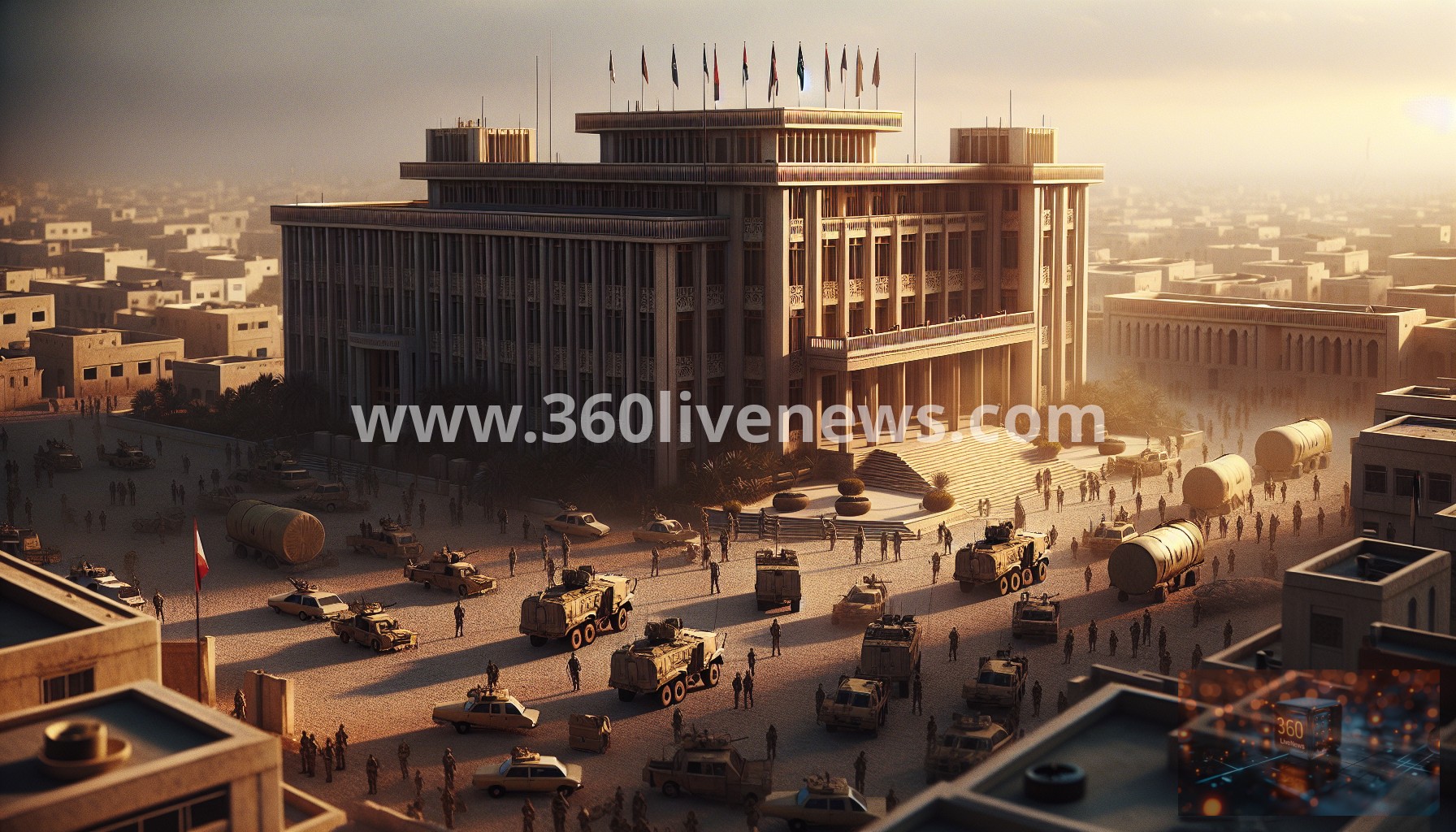
Overnight on Sunday, a US diplomatic and logistics centre located at Baghdad's International Airport was targeted by multiple attacks. According to an Iraqi security official, as many as eight distinct waves of attacks,using both rockets and drones,were launched at the facility. The US hub has been a recurrent target since February 28 and this latest incident adds to the strain in US-Iran relations, particularly underlining Iran's ongoing military assertiveness in the region.
A second Iraqi security source confirmed the strikes, noting that some of the rockets fell in close proximity to the base itself. Additionally, it was reported that a rocket launcher had been discovered in a neighborhood near the airport, suggesting the sophistication and planning involved in these assaults. The coordinated nature of these attacks demonstrates not only a significant operational capacity but also an escalation in hostility towards US positions in Iraq.
Meanwhile, in Lebanon, the Lebanese government is facing a complex dilemma concerning Hezbollah, which remains heavily armed despite international calls for disarmament. Ziad Majed, an expert in Middle Eastern studies at the American University of Paris, underscored the difficulty in disarming Hezbollah since the ceasefire with Israel. He emphasized that the Lebanese authorities are torn between executing disarmament strategies and addressing a hostile Israel on their borders amid a deteriorating economic landscape.
Hezbollah, a prominent armed group and political party, has deep roots in Lebanese society and counts a significant portion of the Shia community as its supporters. Many of its members hail from areas affected by past conflicts with Israel, creating a complicated relationship that ties local identity to the group's existence. This makes disarmament not just a matter of policy, but a deeply entrenched issue interwoven with collective memory and civil identity in Lebanon.
Hezbollah's ties to Iran complicate the situation further, as the group receives substantial funding and military support from Tehran. Analysts point out that the Lebanese government is faced with a challenging geopolitical landscape, wherein disarming Hezbollah could provoke backlash from both the group and its supporters. The ongoing Israeli strikes in Lebanon also muddy the waters, indicating an escalatory pattern in the region that risks destabilization on multiple fronts.
The implications of these developments are profound. For Iraq, continued strikes on US facilities could hinder diplomatic ties and exacerbate security concerns for coalition forces remaining in the country. There have been prior instances of elevated tensions following similar attacks, and this could lead to heightened military responses from the US government, potentially impacting the overall security strategy in the region.
Regional experts argue that the US must recalibrate its approach to Iran and its proxies. Maintaining military presence while navigating the delicate political landscape in Iraq and Lebanon calls for a nuanced strategy that considers both immediate security needs and long-term diplomatic goals. This ongoing violence not only threatens military personnel but also risks derailing any efforts at reconciliation or stabilization in the post-ISIS context.
Meanwhile, the prospects for Lebanese stability hinge on resolving Hezbollah's role in the broader political landscape. Attempts to disarm the group face both practical and political challenges; any misstep could lead to increased tensions, undermining the already fragile patchwork of Lebanese governance. The sociopolitical fabric of Lebanon is such that even calls for disarmament must be tactfully managed to avoid provoking wider conflicts.
The situation remains fluid, and diplomats are keenly monitoring both the Iranian influence over regional militias and the actions of the Lebanese government. Direct military engagement and strategic disarmament policies are at a crossroads, raising critical questions about the efficacy of international responses to longstanding regional conflicts. As both the US and Lebanese authorities grapple with these complex challenges, the path forward remains uncertain.
#Iran #Iraq #Hezbollah #MiddleEast #Israel #violence #diplomacy #security
