Iran Launches Missile Attacks on Israel Amid Ongoing Regional Tensions
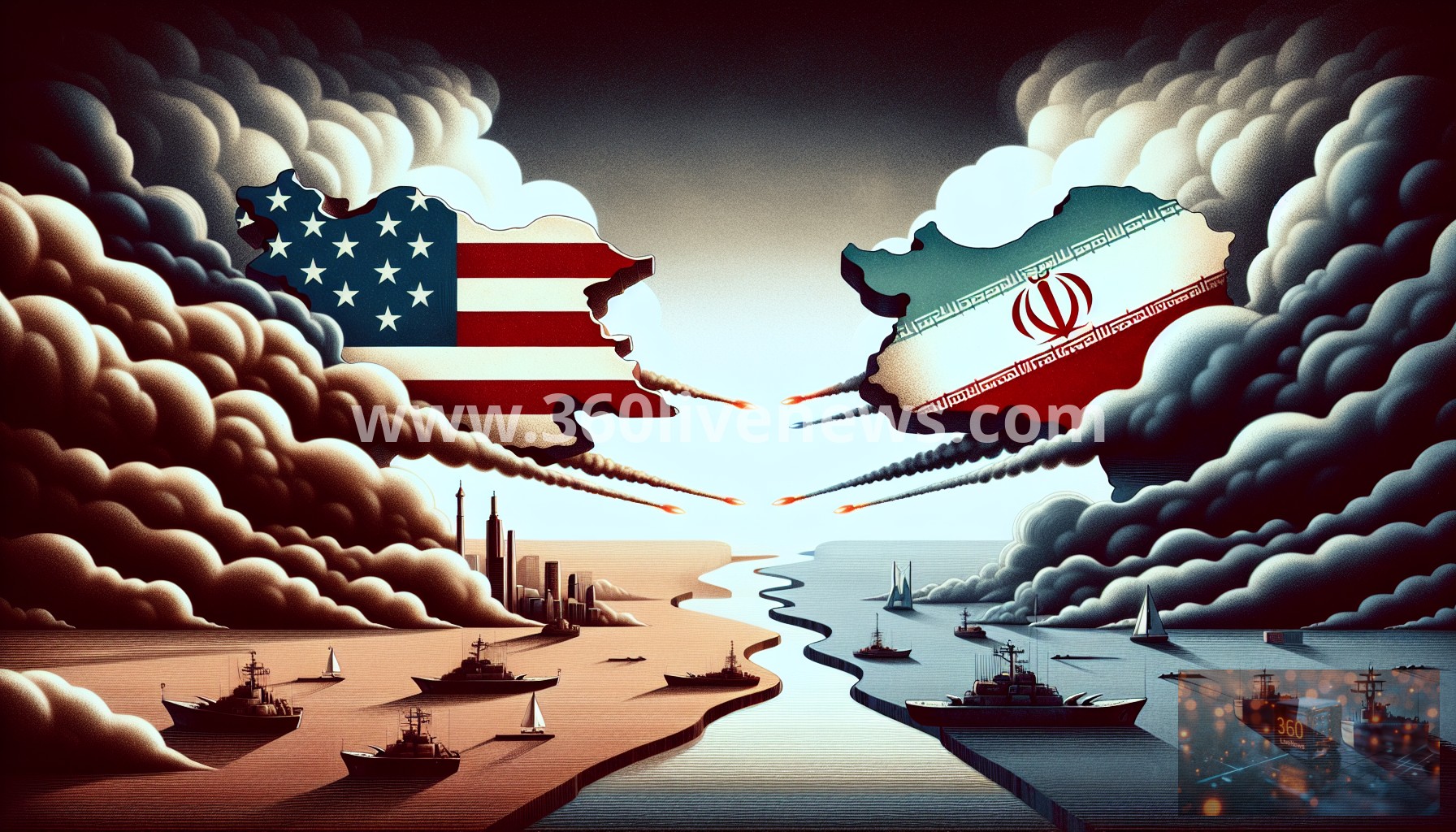
In a significant escalation of regional conflict, Iran has launched multiple waves of missiles targeting Israel. The Israeli military confirmed the attacks, which triggered air raid sirens across various locations, including major cities such as Tel Aviv. This missile assault coincides with a backdrop of complex diplomatic interactions, as US President Donald Trump, following perceived productive conversations with Iranian officials regarding a resolution of hostilities, had decided to postpone military actions against Iran's energy infrastructure.
Reports indicate that some missiles resulted in damage to residential properties in northern Israel, attributed to falling debris from intercepted ordnance. Israeli defense systems have been activated, underscoring the precariousness of the situation as ground and air attacks shift the security dynamics in this tense region. Trump's statement on his platform suggested a basis for diplomatic resolution, yet recent military actions by Iran starkly undermine this effort. Israeli defense systems have been crucial in intercepting threats, highlighting the ongoing military tensions.
The Iranian government has warned of significant repercussions from any perceived escalation driven by US actions, framing the missile strikes as a stability measure. Iranian Foreign Minister's comments revealed Tehran's stance on managing tensions, asserting that de-escalation is contingent upon neighboring countries not facilitating anti-Iranian actions from their territories. This emphasis indicates Iran's readiness to respond if provoked further. Meanwhile, Iran's armed forces are on high alert, preparing for potential US-driven conflict, which the country maintains would destabilize the region.
This uptick in military aggression comes amidst a historical backdrop where Iranian relations with Western powers, particularly the United States, have been fraught with hostility. Following the withdrawal of the US from the Joint Comprehensive Plan of Action (JCPOA) in earlier rounds of negotiations, diplomatic ties have deteriorated significantly. Such foundational decisions have exacerbated an already volatile environment, leading to military confrontations that perpetuate cycles of violence.
The geopolitical implications of these missile attacks are profound, impacting not only regional stability but also global security frameworks. Israel's relentless campaign against Iranian influence throughout the Middle East has prompted Tehran to bolster its offense capabilities. Moreover, Israel perceives Iranian missile technology as an existential threat, which fuels the vicious cycle of retaliatory actions. In this volatile theater, the consequences of military errors could lead to uncontrollable regional escalation.
Nowruz celebrations, symbolic of renewal and hope, take place against the backdrop of conflict in Iran and the broader region. Despite the enforcement of pre-Islamic traditions being met with governmental opposition and threats, these festivities embody the resilience of Iranian culture. The stark contrast between celebratory events such as Nowruz and the military strategies illustrates the complex narrative unfolding within Iran, where the population grapples with historical legacies and current political realities.
As missiles continue to fly, the international community watches keenly. Escalating tensions threaten to redefine alliances, regional power balances, and humanitarian conditions. Ultimately, the convergence of military actions and diplomatic maneuvers will determine the future trajectory of Middle Eastern geopolitics, with lasting repercussions for both Iranian and Israeli societies. Humanitarian conditions in the region are increasingly precarious as conflict escalates.
Statements issued by both Iranian and Israeli officials emphasize their respective positions, revealing an intractable conflict fueled by deep-rooted grievances. The Iranian regime places the blame for escalating tensions squarely on US involvement, perceiving military actions as a direct provocation that could inspire a strong and coordinated response. Such prognosis underscores a harsh reality: any military initiative in the region comes with the risk of being vastly miscalculated. US involvement in the region has historically been contentious.
In the face of these aggressions, both nations stand at a crossroads, with leaders that must navigate pressures from within their governments and populations. The path taken in the ensuing days could lead to an intensification of military encounters or open avenues for potential negotiations influenced by international stakeholders with vested interests in achieving peace. International stakeholders play a crucial role in mediating conflicts in the region.
#Iran #Missiles #Israel #DonaldTrump #Nowruz #MilitaryTensions #RegionalConflict #Diplomacy
