Iranians face economic distress and internet shutdown amid US-Israeli conflict during Nowruz holiday
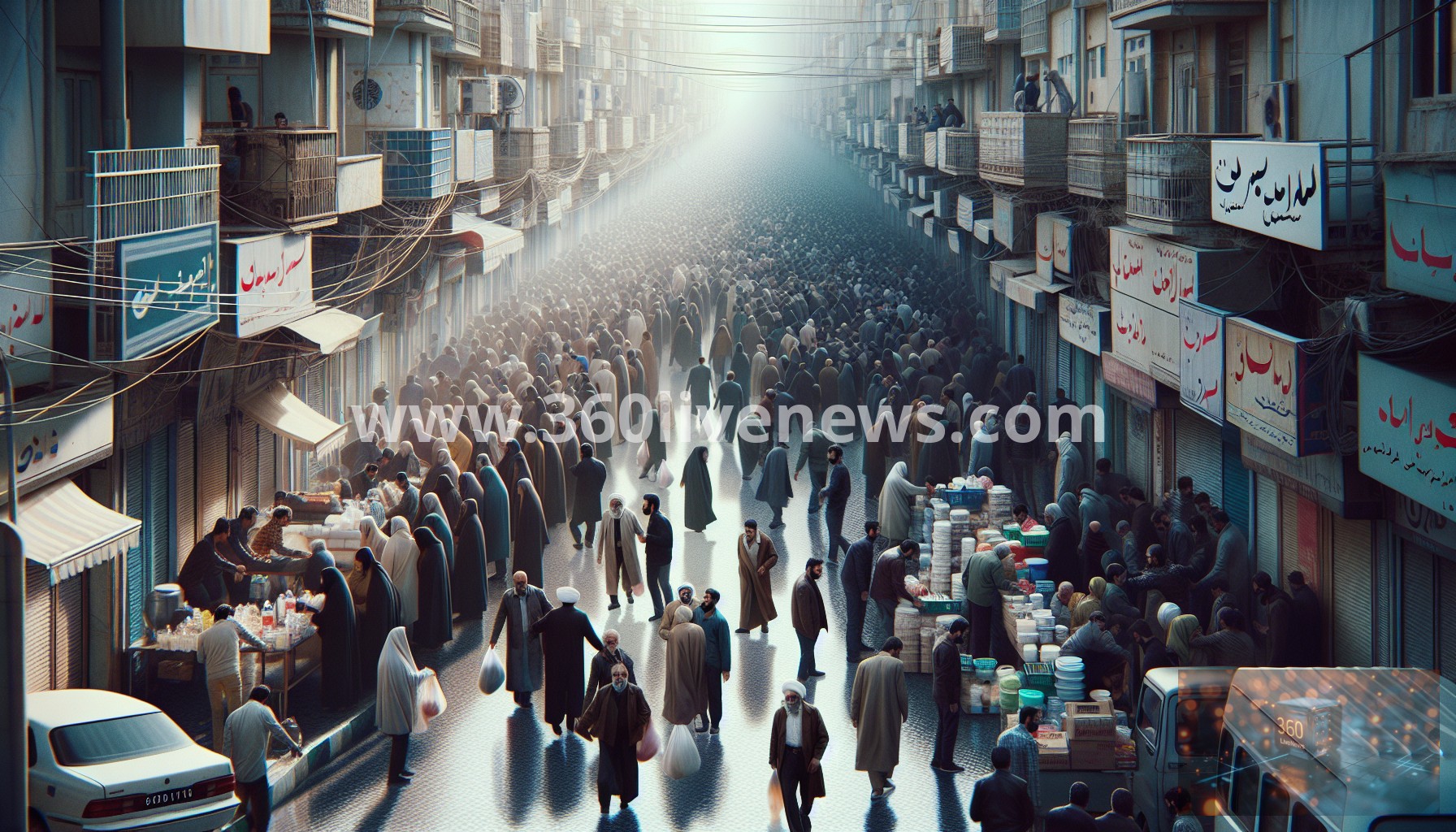
As the US-Israeli conflict intensifies, Iranians are grappling with economic distress compounded by an unprecedented internet shutdown. For four weeks, civilians have been facing harsh realities due to the ongoing military actions affecting their country. The majority of Iran remains inoperative as the nation observes Nowruz, the Persian New Year holiday, but existing economic challenges are exacerbated by the external conflict.
Reports indicate that the conflict has led to a substantial decline in market activity, especially in the euphoric buildup to Nowruz. Many business owners have witnessed a drastic reduction in income, contributing to a growing sense of despair across the country. The Iranian economy is said to be struggling significantly, with numerous businesses affected by the ongoing geopolitical tensions between Iran, the United States, and Israel.
Compounding the crisis is the longest internet shutdown in Iranian history, disrupting communication and commerce for citizens. With many people left unemployed or temporarily displaced, the urgency for governmental and international responses grows more pressing. The Iranian government has faced criticism over its handling of the economy, further amplified by the long-standing sanctions imposed by Western nations, particularly in response to Iran's nuclear program.
Besides the overwhelming shortcomings at home, the shadow of the US-Israeli military actions casts a long pall over all economic sectors, from retail to manufacturing. Data on consumer confidence and business activity indicate a substantial downturn, where many struggle to make ends meet amid rising costs and instability. The conflict has disrupted the national supply chains, particularly the energy sector, which remains vulnerable to fluctuations in global oil prices.
The broader implications of this conflict extend beyond Iran, affecting developing economies across Asia and Africa that rely heavily on fair energy prices. The closure of the Strait of Hormuz, a critical maritime passage for oil shipments, has led to spiraling fuel prices, with countries like Pakistan facing dire economic strains. These nations, tethered to energy imports, have limited ability to absorb the shock brought about by surging prices, leaving their populations vulnerable.
In light of these developments, Pakistani authorities have taken measures to conserve fuel, highlighting a regional pattern where other countries, such as Jordan, Egypt, and Ethiopia, also brace for economic repercussions as fuel prices soar due to the Iranian conflict. As local economies struggle to remain afloat, the global financial landscape witnesses an escalating ripple effect from these geopolitical tensions.
The potential for further escalations remains high, with ongoing battles impacting more than just military assets but also the fundamental livelihoods of civilians. Missing from the conversation are the long-term impacts on social infrastructure and developments surrounding public health, education, and overall living conditions. A concerted global response may be necessary to mitigate the acute suffering that is acutely perceptible among the Iranian populace and the broader Global South.
This evolving situation underlines the interconnectedness of regional conflicts and their ability to destabilize not only immediate neighboring territories but also wider economic systems. The international community faces pressing questions about intervention and support for countries suffering from economic fallout while having their foundational values at stake with long-standing tensions.
As the US-Israeli conflict continues to unfold, it becomes increasingly vital to analyze the multifaceted implications reflected both within and beyond Iran. This situation calls for rapid adaptations at both local and global levels, recognizing the economic tensions that permeate undercurrents alongside political and military strategies.
#Iran #Israel #UnitedStates #Nowruz #MiddleEast Economy">#Economy #FuelPrices Geopolitics">#Geopolitics
