Trump criticizes UK's aircraft carriers as "toys" amid NATO tensions and reassessment of US military alliances
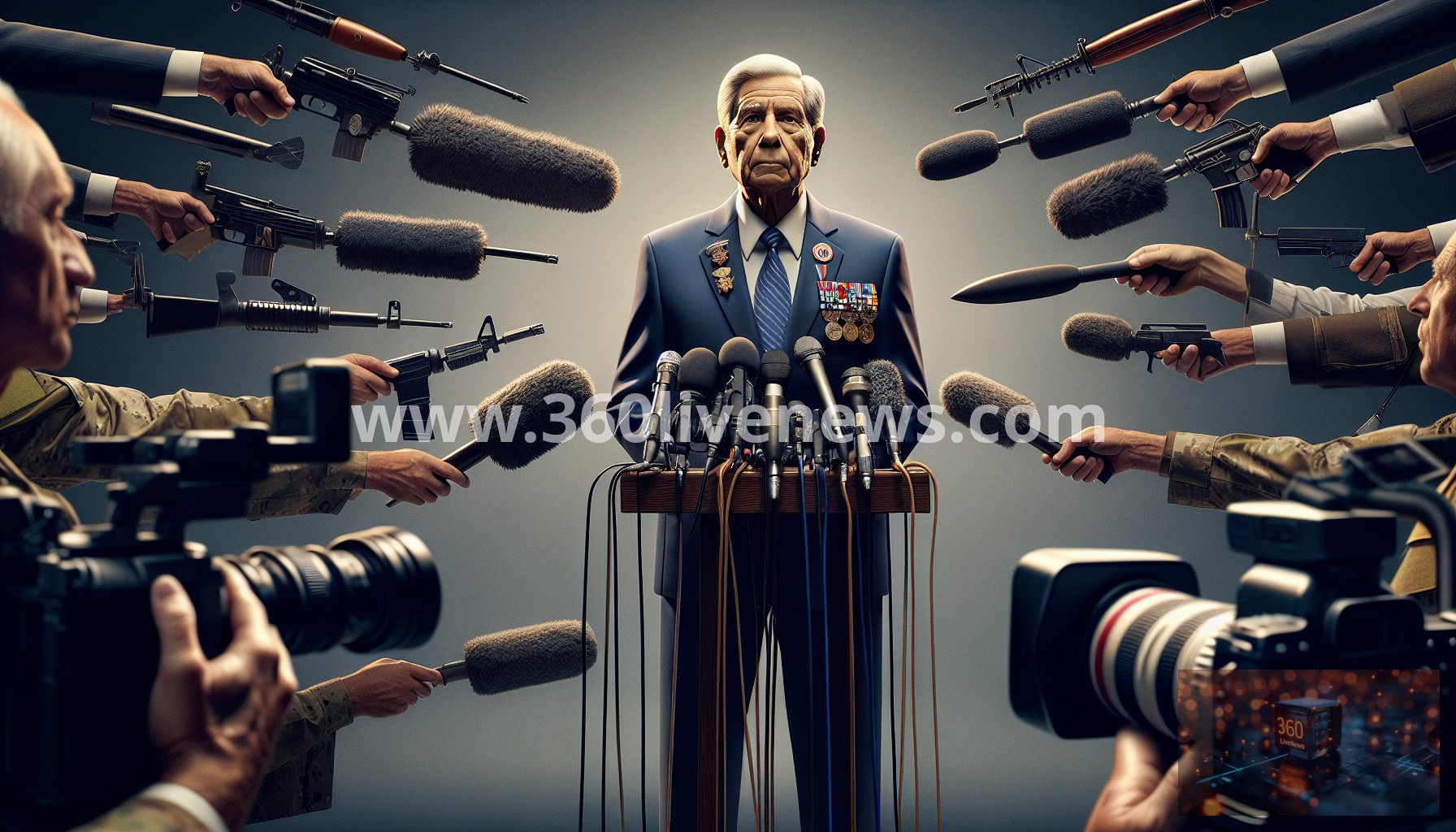
In a recent statement, former President Donald Trump referred to the UK's aircraft carriers, HMS Queen Elizabeth and HMS Prince of Wales, as "toys." This derogatory comparison comes at a time when the United States is reassessing its military alliances and global defense strategies. Trump's remarks highlight ongoing tensions between the US and its allies, as he criticized NATO for its perceived inactivity in supporting American efforts in the Middle East conflict.
Trump's comments specifically targeted NATO, where he claimed the organization has done "absolutely nothing" to aid the US in its military endeavors overseas. As Trump stated, "Now they all want to help. When they’re annihilated, the other side is annihilated; they said, ‘we’d love to send ships.’" This assertion indicates a significant critique of what Trump perceives as a lack of proactive engagement from NATO allies in conflicts before they escalate.
The criticism directed at the UK’s naval capabilities serves as an interesting pivot in transatlantic relations. The HMS Queen Elizabeth and HMS Prince of Wales are two of the largest aircraft carriers in the UK’s history, part of a renewed push for Global Britain to assert its military presence internationally. The derogatory comparison made by Trump raises questions about the future of joint military operations, as the UK seeks to play a crucial role in international security.
Trump’s cavalier remarks about the carriers may also reflect broader sentiments within the Republican party regarding international defense commitments. The emphasis on national capability and perceived fragility in alliances draws upon historical context where military readiness is a focal point of US foreign policy. The US relationship with NATO has been fraught with complexities, especially as European allies have struggled to meet defense spending targets set by the alliance.
This incident is not isolated but is part of a long-standing pattern where Trump's administration often criticized NATO and European allies. In previous years, he challenged member nations on their defense expenditures, arguing that the US was bearing a disproportionate burden of NATO’s costs. This type of dialogue can have reverberating impacts on international diplomacy, as such statements could lead to reshaping defense collaborations.
The strategic implications for NATO’s eastern flanks and how they might respond to calls for joint missions could be significant. Trump's comments come amidst a backdrop of rising tensions with Russia, particularly regarding its military activities in Eastern Europe. The alliance's credibility may hinge on its ability to respond effectively to such geopolitical challenges, making Trump’s remarks particularly poignant during this time.
The timing of Trump's statements is also critical, as geopolitical tensions in the Middle East complicate matters of military cooperation not only within NATO but globally. With the US heavily involved in strategizing for engagements in regions such as the Middle East, Trump's frustrations over allies’ commitments bring forth critical questions about collective security agreements and cooperative defense.
In light of these events, officials and defense analysts are closely monitoring the responses from NATO and the UK. This situation emphasizes the necessity of addressing foundational geopolitical dynamics while evaluating military strategies. As the UK continues to navigate its post-Brexit identity, these critiques could alter perceptions of its military capabilities and international role in collaborative defense measures.
In summary, Trump's sharp criticisms represent a significant moment in US-UK relations, against the backdrop of NATO's operational effectiveness. As former leaders assert their perspectives on military readiness and allied contributions, the implications for strategic partnerships and future military engagements remain under examination. The situation continues to evolve, and responses from both the UK and NATO will be key in shaping the next steps regarding international cooperation and defense commitments.
#DonaldTrump #UKMilitary #NATO #HMSQueenElizabeth #HMSPrinceofWales #MiddleEast #TransatlanticRelations #GlobalBritain
