US Prepares for Ground Operations in Iran Amid Rising Tensions
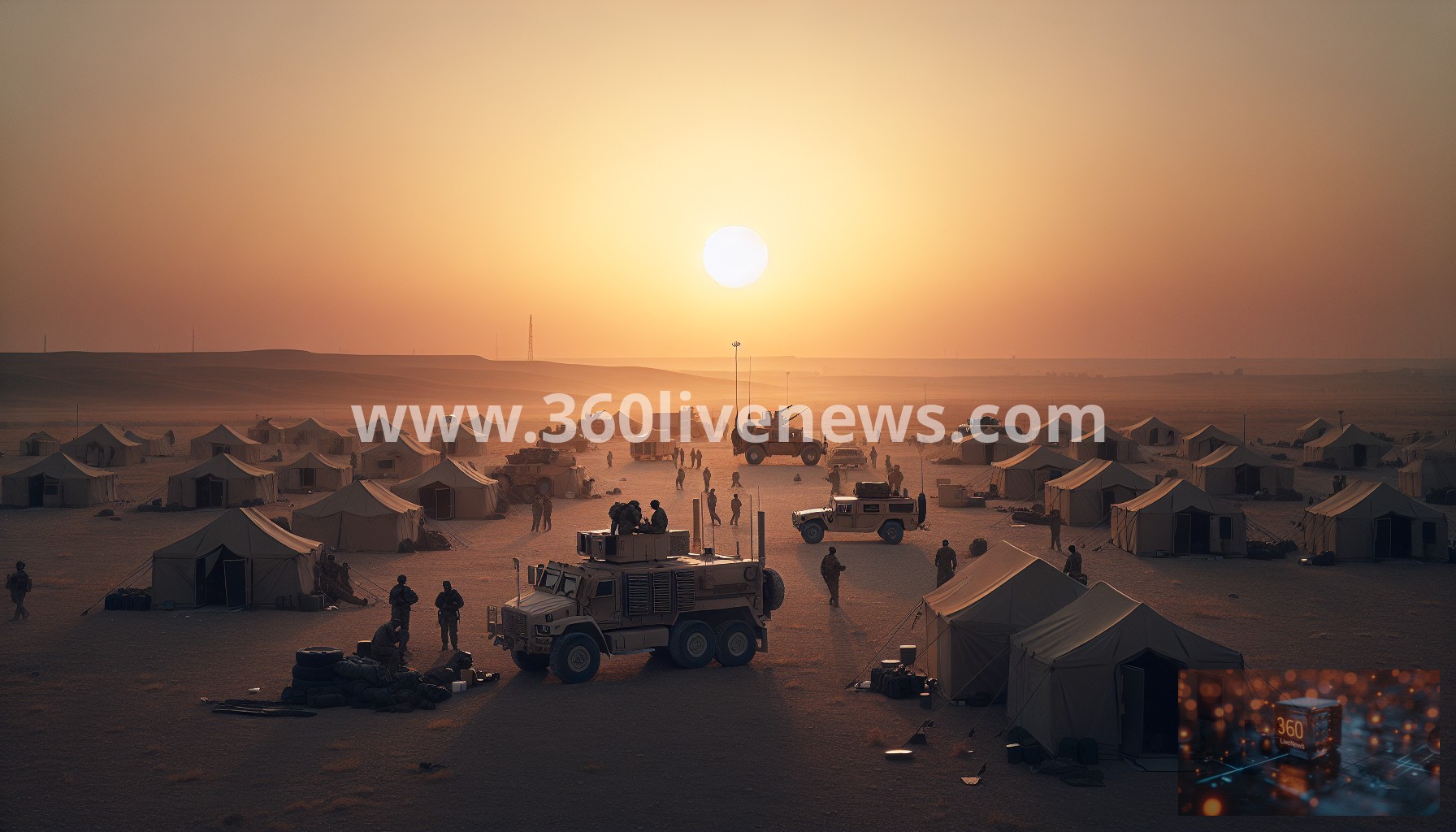
In a significant escalation of military readiness, the United States is reportedly preparing for a ground invasion of Iran, with thousands of American soldiers and Marines arriving in the region. This development has emerged amidst rising tensions between Washington and Tehran, with senior government officials indicating that planning is underway for operations that may extend over weeks, reflecting a serious commitment to military engagement in the area. The latest reports from the Washington Post suggest that while these operations are designed to not constitute a full-scale invasion, they could involve tactical raids by special forces and conventional units on specific targets in Iran.
According to anonymous military sources, these preparations signal a shift in US strategy regarding military operations against Iran. While Donald Trump, the current President, has not yet authorized any specific military action, he has expressed skepticism in the past about the utility of a ground invasion, referring to such military engagements as a potential “waste of time.” However, the arrival of troops indicates an increase in readiness that might be interpreted as a pressure tactic aimed at reshaping Iran's regional policies.
The current mobilization of US forces follows longstanding tensions between Iran and the United States, which have been marked by a series of hostile exchanges and regional conflicts. Since the United States withdrew from the Joint Comprehensive Plan of Action (JCPOA) in 2018, relations have deteriorated sharply, leading to heightened military posturing by both sides. Iran has been accused of expanding its influence throughout the Middle East, particularly through proxy groups in Syria, Iraq, and Yemen, which has further alarmed US officials and allies in the region.
Recent military movements also align with the US's broader strategy in the Persian Gulf, which has traditionally involved maintaining a strong military presence to counteract Iranian influence. Military analysts emphasize that the deployment's timing is critical, as the US has faced increasing pressure to respond decisively to Iranian provocations, including missile attacks on American personnel and interests in Iraq and Syria. This context underlines the strategic considerations driving the US military’s actions and the significant implications for regional stability.
Observers note that the Pentagon’s plans may involve complex logistical operations that could affect thousands of service members. The military has, in previous instances, demonstrated its capability to conduct rapid deployments of troops to the Gulf, but this level of preparatory action indicates a deeper commitment to potential direct engagement with Iranian military assets. This also raises questions regarding the potential repercussions such an invasion could have on civilian populations in Iran and the broader geopolitical landscape.
Iran's leadership has historically responded vigorously to threats from the US, often framing military confrontation as a fight for national sovereignty and regional hegemony. Should a ground invasion commence, it is likely to exacerbate already fraught relations not only between the United States and Iran but also among Iran's regional allies, including Russia and China, which have traditionally opposed American military interventions in their sphere of influence.
The question of whether to proceed with a ground invasion is expected to dominate discussions within the Trump administration in the following days, particularly among key defense and foreign policy advisers. The potential decision to escalate the military presence in Iran is likely to spark intense debate among legislators in Congress, where opinions on US military interventionism vary widely. Advocates for a more restrained approach argue that diplomatic engagements should take precedence over military solutions.
As developments continue to unfold, experts highlight the importance of international responses to a potential US ground invasion. Regional allies, particularly Israel and Saudi Arabia, are likely to support US actions, viewing it as a necessary step to diminish Iranian influence. Conversely, nations such as Turkey and Russia may vocalize concerns about the implications for regional stability and the risk of further entrenching hostile sectarian dynamics across the Middle East.
In summary, the situation marks a pivotal moment in US-Iran relations and could influence the strategic environment in the Gulf region for years to come. The implications of this military preparation reach beyond the immediate context, affecting alliances, regional security and the global geopolitical landscape. The precise outcome of these preparations and the international reactions they invoke will likely shape the unfolding narrative in the Middle East in the months ahead.
#US #Iran #military #Trump #Pentagon #diplomacy #MiddleEast #Gulf #troops #strategy #foreignpolicy #regionalseecurity #SaudiArabia #Israel
