Iran's parliament speaker warns of escalating tensions with the US amid deployment of additional American troops to the Middle East
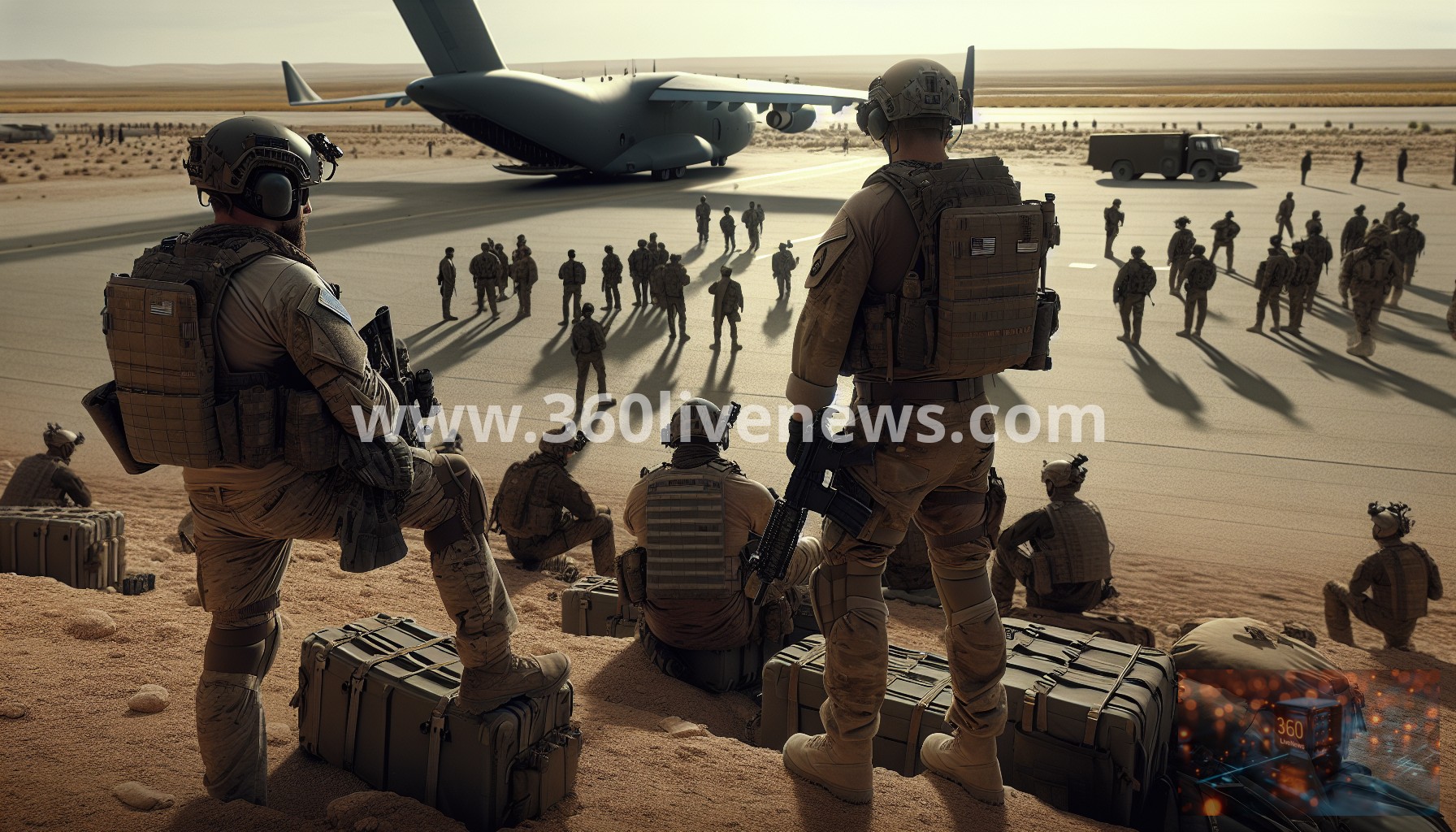
Iran's parliament speaker, Mohammad Bagher Ghalibaf, has issued a stark warning regarding the escalating tensions between Iran and the United States, stating that Iranian forces are "waiting for American soldiers." This remark comes as the United States has deployed an additional 3,500 troops to the Middle East. The recent troop deployment has raised concerns about the potential for confrontation between the two nations, particularly given Ghalibaf's threat that Iran would "rain fire" on US personnel entering Iranian territory.
The US Central Command confirmed that these newly arrived troops, comprising sailors and marines, are part of a contingent associated with the amphibious assault ship USS Tripoli. The deployment also includes various assault and transport assets designed to enhance the US military’s operational capabilities in the region. This increase in military presence aligns with reports indicating that the Pentagon is preparing for extended ground operations in Iran, although US officials have refrained from confirming the deployment of ground troops as part of these operations.
Iran's recent military maneuvers and aggressive rhetoric towards US forces reflect longstanding geopolitical tensions aggravated by the ongoing conflict in the region. The presence of US troops in close proximity to Iranian borders is a source of anxiety for the Iranian government. Ghalibaf's comments, reported widely through Iranian state media, suggest a belief that the US is simultaneously signaling a desire for negotiation while plotting possible military actions against Iran.
The historical context surrounding these developments is essential for understanding the implications of this situation. US-Iran relations have been tense since the 1979 Iranian Revolution, which led to the overthrow of the US-backed Shah and the establishment of the Islamic Republic. This period marked the beginning of mutual distrust and hostility, exacerbated by incidents such as the Iran Hostage Crisis and various military confrontations throughout the years. The introduction of sanctions and continuous military engagements in the region have only deepened the rift between the two nations.
In recent years, Iranian actions have included support for various proxy groups in Iraq, Syria, and Yemen, even as the US maintains a presence in those regions, often leading to direct conflicts of interest. This ongoing struggle for influence is likely to intensify with the current influx of US military forces. Experts have previously noted that any significant military confrontation between the US and Iran could lead to broader regional destabilization, impacting other nations involved in the Middle East.
The added complexity arises from Iran's nuclear program, which has been a focal point in US-Iranian relations. The Joint Comprehensive Plan of Action (JCPOA), which aimed to limit Iran's nuclear capabilities in exchange for sanctions relief, has been effectively abandoned by the US. As tensions rise, the prospect of negotiations seems increasingly remote, with Ghalibaf suggesting that Iran perceives American diplomatic gestures as disingenuous.
This dynamic is further complicated by the influence of domestic politics within Iran. The government has increasingly relied on nationalist sentiments to consolidate power amidst economic difficulties exacerbated by sanctions. Ghalibaf's statements resonate with the Iranian public, who view foreign military presence as a direct threat to their sovereignty. This aspect of national identity plays a crucial role in shaping Iran's response to foreign military actions.
International reactions to this situation have also been notable. Allies of both nations are closely monitoring developments, recognizing that a miscalculation could lead to an unforeseen conflict with global ramifications. The presence of US troops is already under scrutiny from regional allies, who may have differing views on how to approach security in the Middle East. The situation continues to evolve, and as both nations posture for potential engagement, the risk of conflict escalates.
As of now, the situation remains fluid, with US troops on alert and Iranian forces prepared for potential confrontation. Both nations appear entangled in a cycle of rhetoric and military positioning that could lead to further escalation if not managed carefully. The world watches closely, mindful of the potential consequences of a renewed conflict in the Middle East.
#Iran #USMilitary #MiddleEast #GroundOperations #MohammadBagherGhalibaf #USSTripoli #JCPoA #NationalIdentity Geopolitics">#Geopolitics #IranianParliament #USIranRelations #EscalatingTensions
