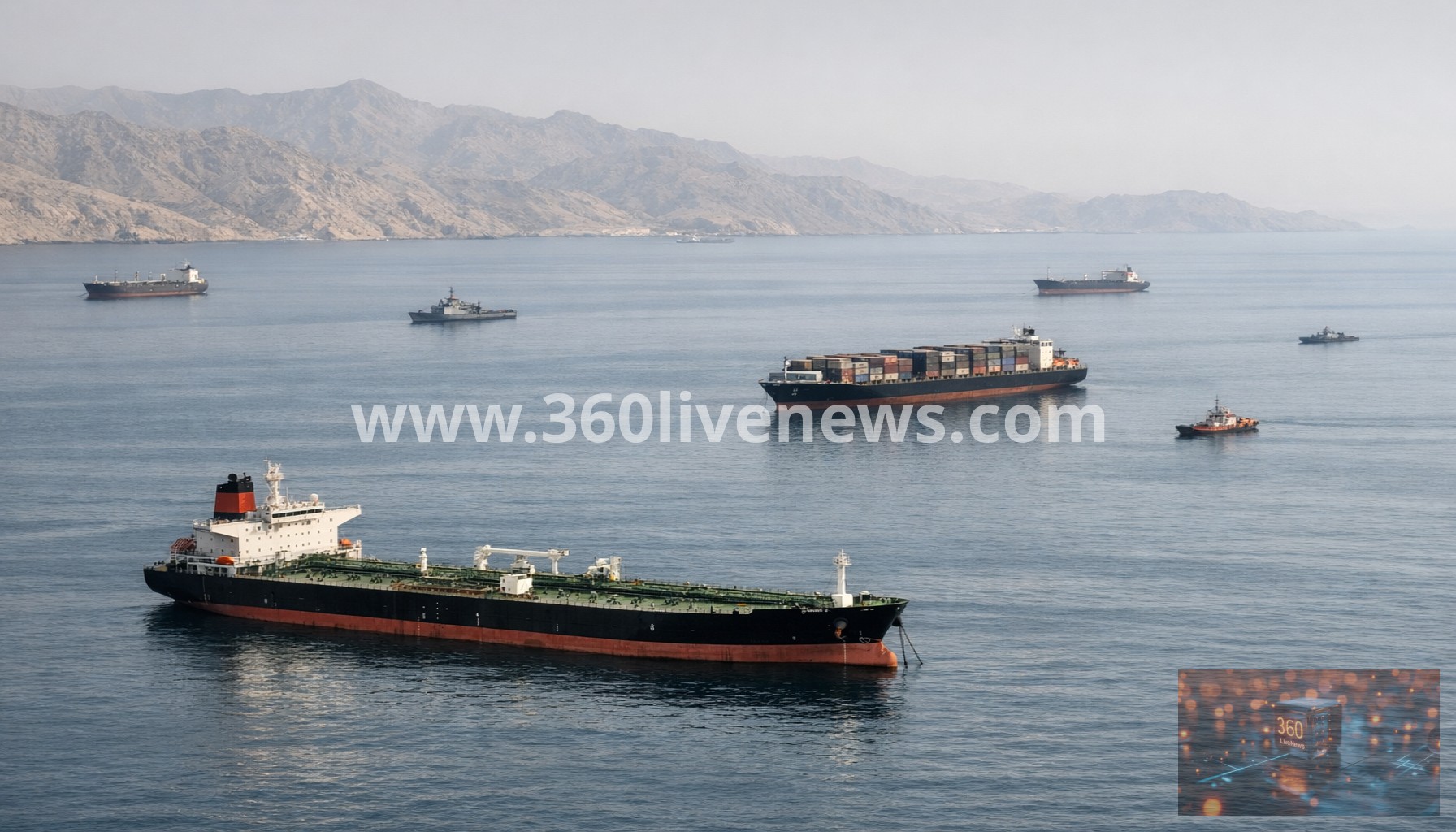

Shipping traffic in the Strait of Hormuz nearly halted amid rising threat of Iranian sea mines and tensions with the IRGC
The situation in the Strait of Hormuz has reached a critical juncture as shipping traffic remains nearly at a standstill due to the rising threat of Iranian sea mines. The tensions have escalated following recent actions by Iran's Islamic Revolutionary Guard Corps (IRGC), which issued a map showing a so-called "danger zone" where these mines are purportedly deployed. This strategic maneuver appears aimed at consolidating Tehran's influence over this vital maritime passageway, crucial for global oil shipments. The Iranian assertion of the sea mine threat follows a series of negotiations meant to facilitate the reopening of the strait for shipping.... [Continue Reading]
 360LiveNews | 10 Apr 2026 20:23 LONDON


US Court of International Trade hears case on President Trump's import tariffs following Supreme Court ruling
The scrutiny of former President Donald Trump’s import tariffs has intensified, as a three-judge panel of the US Court of International Trade recently began hearing a critical case aimed at overturning temporary tariffs implemented after a Supreme Court ruling invalidated his previous, more extensive tariffs. This moment marks a significant chapter in the ongoing legal battle over Trump’s controversial trade policies, which have profoundly affected international trade relations and domestic economics. The tariffs in question, set at 10 percent on global imports, went into effect on February 24. A coalition comprising 24 predominantly Democratic-led states and two small businesses is... [Continue Reading]
360LiveNews | 10 Apr 2026 19:33 LONDON
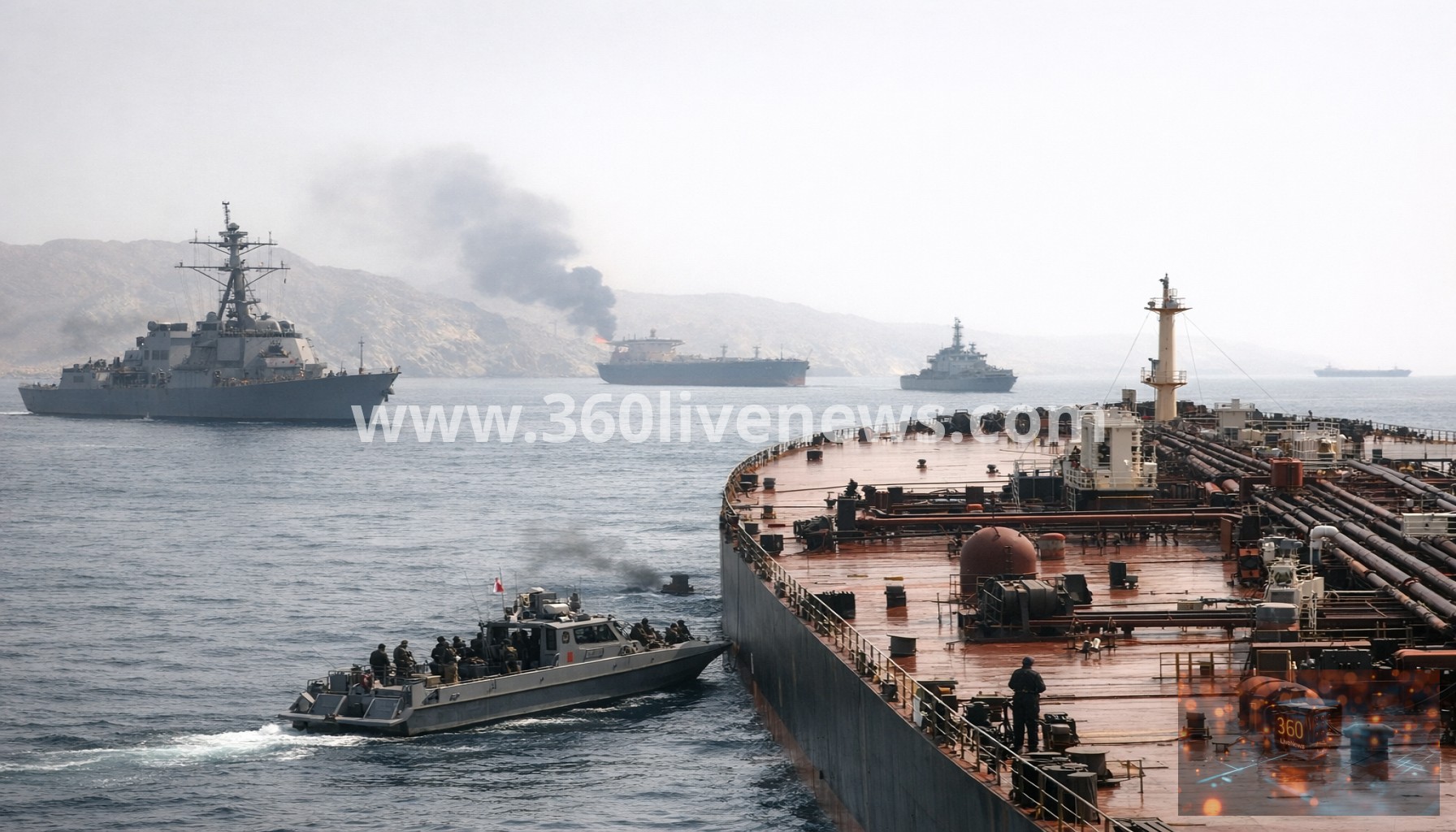

Traffic in Strait of Hormuz nearly halted amid escalating conflict between Iran, Israel, and the United States
The situation in the Strait of Hormuz has intensified as conflict continues between Iran and external powers, particularly Israel and the United States. Reports indicate that in the last 24 hours, traffic through this vital shipping channel has come to a near standstill, despite Iran's recent conditional lifting of its blockade. This development comes against the backdrop of a fragile ceasefire that appears to be faltering, with ongoing hostilities impacting not just regional stability but also global oil prices. Initial reactions to the ceasefire agreement, which was purported to ease tensions, have quickly turned tentative as hostilities ramp up again.... [Continue Reading]
360LiveNews | 10 Apr 2026 06:02 LONDON
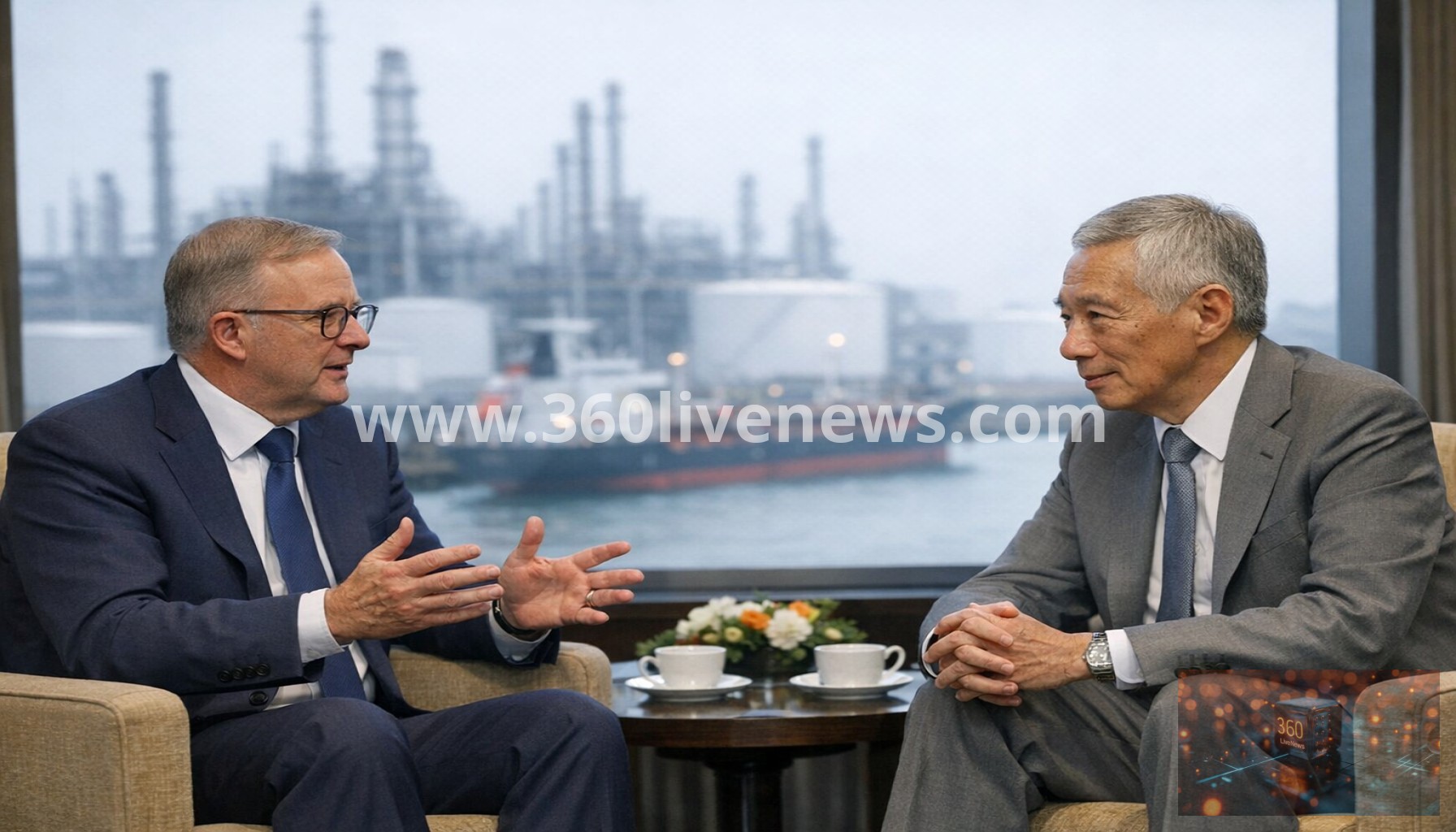

Albanese Discusses Australia's Fuel Supply with Singapore's Prime Minister Amid Global Oil Market Disruptions
Prime Minister Anthony Albanese is currently in Singapore, engaging in discussions with his counterpart, Prime Minister Lawrence Wong, regarding Australia's fuel supply amidst ongoing disruptions in the global oil market. Singapore is a critical refining hub, supplying about half of Australia’s petrol. However, significant disruptions are affecting fuel production in Singapore due to the ongoing tensions in the Strait of Hormuz, which have halted the flow of crude oil necessary for the city-state's refineries. Reports confirm that for over a month, the Strait of Hormuz has effectively been closed, impacting the delivery of approximately two-thirds of the crude oil that... [Continue Reading]
360LiveNews | 09 Apr 2026 20:16 LONDON


Leung Chun-ying launches trading platform for traditional Chinese medicine to connect mainland manufacturers with global markets
Former Hong Kong chief executive Leung Chun-ying has officially launched a trading platform for traditional Chinese medicine (TCM) designed to connect manufacturers from mainland China with international markets. The announcement was made today in Nansha, Guangdong province, where Leung emphasized the platform's aim to enhance transparency, efficiency, and global reach within the TCM sector. The initiative, which operates as an independent third party, seeks to promote the centralisation, standardisation, marketisation, and transparency of TCM trade. Leung, who also serves as vice-chairman of the National Committee of the Chinese People’s Political Consultative Conference, stated that the quality of medicinal materials is... [Continue Reading]
360LiveNews | 09 Apr 2026 13:13 LONDON


Ceasefire Established Between US and Iran Allows Conditional Maritime Activity in Strait of Hormuz
A fragile ceasefire between the United States and Iran has been established, introducing a conditional window for maritime activity through the Strait of Hormuz. This truce, announced on the night of April 7, comes just hours before a new wave of US military strikes were anticipated. Despite this temporary halt in hostilities, the situation remains precarious and the implications for global energy supplies are complex. European Union energy spokesperson Anna-Kaisa Itkonen emphasized on April 8 that the energy crisis induced by these tensions is not expected to resolve quickly. "We should be under no illusion that this crisis that is... [Continue Reading]
360LiveNews | 08 Apr 2026 15:45 LONDON

Iran, US, and Israel Agree to Two-Week Ceasefire Starting Wednesday
In a significant development in Middle Eastern geopolitics, Iran, the United States, and Israel have agreed to a two-week ceasefire effective Wednesday. This agreement comes as U.S. President Donald Trump has notably reduced his aggressive rhetoric towards Iran, which had previously included threats to "destroy Iranian civilisation." The ceasefire announcement coincides with Trump’s ultimatum for Iran to reopen the strategic Strait of Hormuz, a critical passageway for global oil shipments, or face potential military actions targeting Iranian infrastructure. According to reports, this ceasefire marks a crucial moment, following escalated tensions between the involved nations. The ceasefire is expected to offer... [Continue Reading]
360LiveNews | 08 Apr 2026 13:09 LONDON


US and Iran agree to two-week ceasefire, reopening Strait of Hormuz after 40 days of conflict
A significant development has unfolded in the Middle East as the United States and Iran have reached a two-week ceasefire agreement, halting 40 days of US-Israeli attacks on Iran. This truce, which has been brokered by Pakistan, not only aims to ease escalating tensions but also serves to reopen the critical Strait of Hormuz for shipping, a vital route for oil and gas exports. The announcement marks a pivotal moment in a protracted conflict that has significantly impacted regional security and global markets. The ceasefire agreement indicates a temporary cessation of hostilities, with both the United States and Israel halting... [Continue Reading]
360LiveNews | 08 Apr 2026 11:09 LONDON
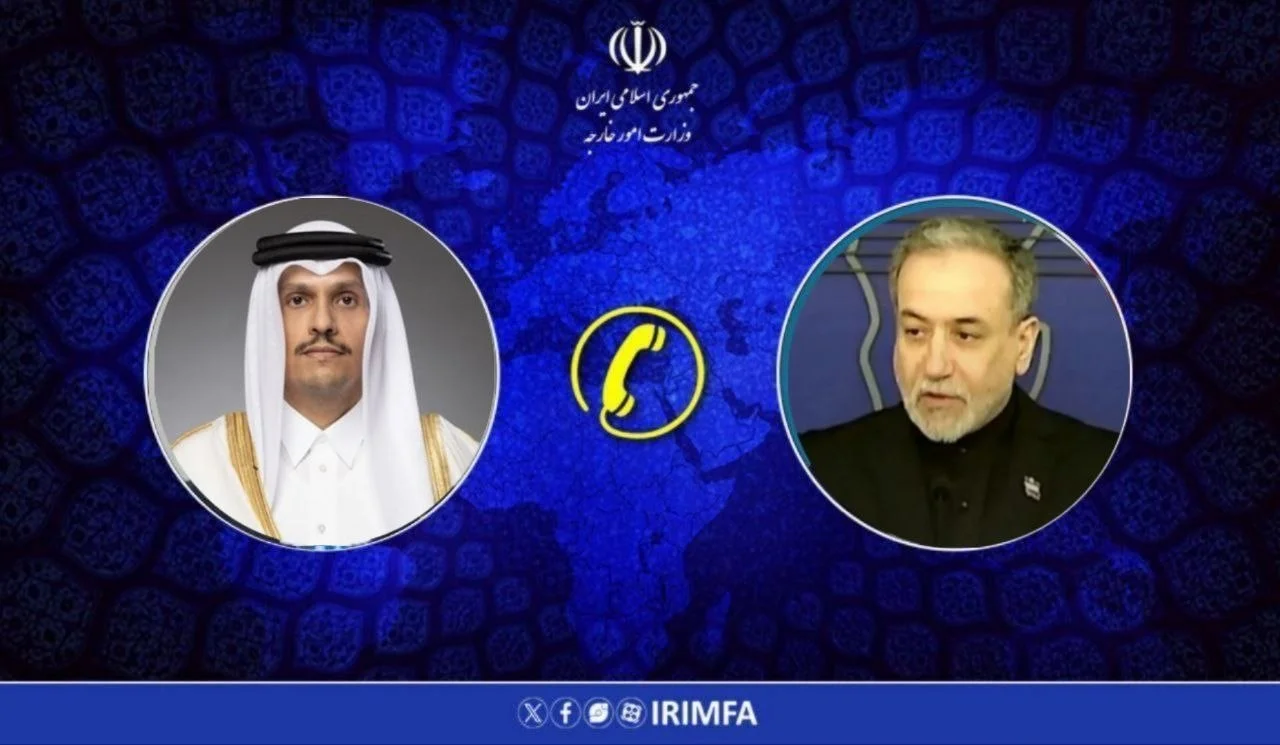
Iran Threatens Strong Retaliation if US or Israel Attacks Infrastructure
Iran issued a stern warning in a recent phone conversation between Foreign Minister Seyed Abbas Araghchi and his French counterpart, Jean-Noël Barrot. Araghchi denounced US and Israeli threats against Iran’s infrastructure, labeling these as war crimes and a form of genocide. He vowed that Iran's armed forces would respond decisively and comprehensively to any attack. The Iranian official warned that the fallout would extend beyond Iranian borders, destabilizing the wider Middle East and impacting global energy supply and economic stability. This escalation reflects growing tensions between Iran, the United States, and Israel amid ongoing geopolitical conflicts. The threat heightens the... [Continue Reading]
Breaking-360LiveNews | 07 Apr 2026 16:54 LONDON


Thailand's Prime Minister urges public to conserve energy amid rising oil prices due to Middle East conflict
Thailand’s Prime Minister, Anutin Charnvirakul, has recently called on the public to engage in energy conservation efforts as the country faces a significant surge in oil prices attributable to ongoing conflict in the Middle East. With diesel prices soaring to approximately 50 baht (US$1.54) per litre, Anutin's announcement highlights the stark reality of Thailand's reliance on imported oil amidst geopolitical instability. In a statement disseminated via social media, Anutin emphasized the precarious position of Thailand, given its dependency on oil and gas imports. He implored citizens and the private sector to take measurable actions, such as adopting work-from-home practices (WFH)... [Continue Reading]
360LiveNews | 06 Apr 2026 13:13 LONDON

US and Israel conduct military strikes on Iran following death of Supreme Leader Khamenei amid escalating Middle East tensions
As tensions continue to escalate across the Middle East, the United States and Israel have launched extensive military strikes on Iran in a conflict that has already taken a devastating toll. The airstrikes, reported to have commenced early in the week, resulted in the death of Iran's Supreme Leader, Ayatollah Ali Khamenei, marking a significant turning point in the conflict. Following the US-Israel operation, Iran has retaliated with missile attacks targeting Israel and US-allied states in the Gulf region, leading to increased military activity and rising casualties on all sides. Reports indicate that one of the primary objectives of the... [Continue Reading]
360LiveNews | 05 Apr 2026 23:10 LONDON


Hong Kong's economy shows resilience in Q1, bolstered by mainland China's growth amid Middle East tensions
Hong Kong's economy has demonstrated notable resilience in the first quarter of the year, according to Finance Secretary Paul Chan Mo-po. Despite ongoing tensions and volatility surrounding the conflict in the Middle East, particularly related to the conflict instigated by the United States and Israel against Iran, Hong Kong has managed to stabilize its economic performance. Chan highlighted that the city has leveraged the steady growth of mainland China's economy to fortify its position as a global hi-tech financing hub. In a recent review of Hong Kong's economic health, Chan stated that the complexities of the geopolitical landscape have posed... [Continue Reading]
360LiveNews | 05 Apr 2026 07:13 LONDON


Iran Conflict Triggers Geopolitical Shifts Impacting Regional Economies and Energy Imports
The ongoing conflict involving Iran has led to significant geopolitical shifts, particularly affecting regional economies, including Pakistan's. As the situation escalates, reliance on energy imports from the Gulf becomes more precarious, particularly with the strategic Strait of Hormuz facing blockades and additional military tensions. These developments reflect broader ramifications as regional actors, including the United States and Israel, heighten pressures on Tehran while navigating complex relationships with neighboring countries. Intensifying conflict dynamics have forced Pakistan into a difficult position. The country is historically dependent on energy supplies from the Gulf, which is now threatened due to the escalating hostilities. According... [Continue Reading]
360LiveNews | 04 Apr 2026 22:13 LONDON