Shipping traffic in the Strait of Hormuz nearly halted amid rising threat of Iranian sea mines and tensions with the IRGC
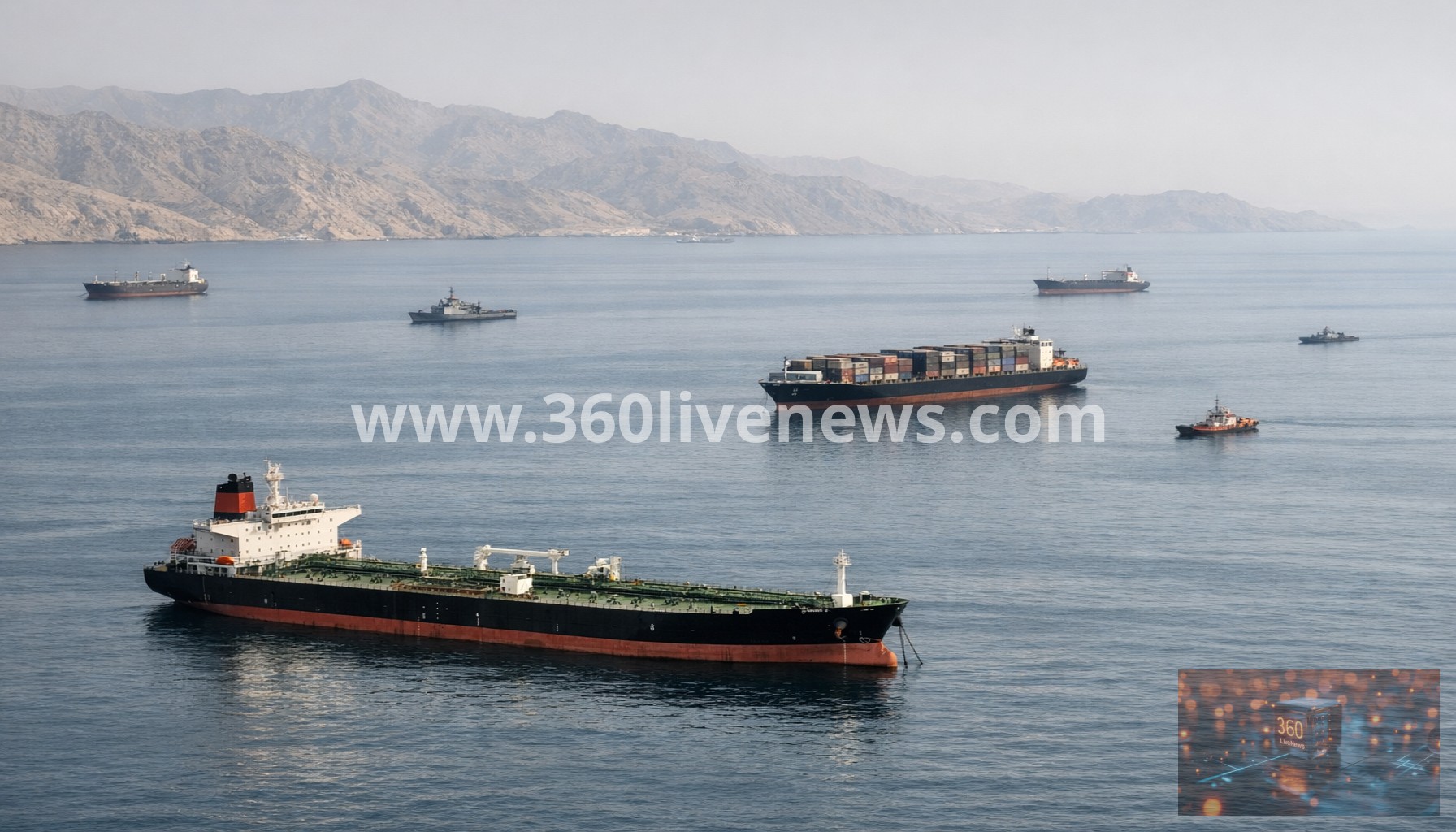
The situation in the Strait of Hormuz has reached a critical juncture as shipping traffic remains nearly at a standstill due to the rising threat of Iranian sea mines. The tensions have escalated following recent actions by Iran's Islamic Revolutionary Guard Corps (IRGC), which issued a map showing a so-called "danger zone" where these mines are purportedly deployed. This strategic maneuver appears aimed at consolidating Tehran's influence over this vital maritime passageway, crucial for global oil shipments.
The Iranian assertion of the sea mine threat follows a series of negotiations meant to facilitate the reopening of the strait for shipping. Despite a designated ceasefire agreement, pressure remains high as the closure impacts international oil markets significantly. Reports suggest that these mines are intended as a method to maintain Iran’s control over the strait and to reinforce its geopolitical positioning in ongoing regional tensions.
Disruption of oil shipments has been ongoing for about a month, resulting in increased volatility within the global oil marketplace. Countries reliant on importing crude from the Middle East, including major economies, are already feeling the repercussions. Analysts indicate that this disruption could prompt nations, including Australia, to seek diversified fuel sources, reflecting a broader trend of increasing competition in global markets as countries strive to stabilize their oil supply chains.
Australia's oil sourcing strategies have already been affected by the ongoing crisis. Although Australia imports a minuscule amount of crude oil directly from the Persian Gulf, its reliance on refined oil products from nations that depend heavily on Middle Eastern oil has amplified concerns over supply security. With global competition for oil on the rise, the Australian government is faced with the imperative of finding reliable fuel sources in an increasingly unpredictable market.
The broader context surrounding these developments underscores how historical tensions between Iran and both Western nations and its regional neighbors continue to shape the geopolitical landscape. Iran’s ongoing commitment to asserting its interests through military capabilities, such as the deployment of mines in strategic waterways, aligns with a pattern of behavior seen in earlier phases of conflict in the region. The strait has long been a flashpoint, with different actors vying for control over this key maritime route.
Tehran’s maneuvers resonate beyond immediate regional implications, suggesting a calculated strategy to utilize unconventional warfare tactics to influence broader international policy discussions. As disruptions escalate, international response options are limited, making it crucial for global powers to engage in diplomatic dialogue to de-escalate tensions. Failure to address these threats may lead to significant increases in shipping costs, broader economic ramifications, and potential military engagements.
The scenario highlights the challenges posed by Iran’s strategic positioning in the Middle East. The Iranian government, through its naval capability and a degree of regional proxy warfare, sustains its operational dominance, directly impacting international shipping lanes. The implications of these actions extend to global economies, showcasing the inherent vulnerabilities within reliance on a limited number of stable oil sources.
Discussions around the Strait of Hormuz often invoke considerations of key treaties and diplomatic frameworks established to regulate shipping and promote peace in the region. However, with the current geopolitical climate showing signs of intense competition and volatility, the pre-existing diplomatic constructs may be insufficient to mitigate the risks involved. The need for an enhanced, cohesive international strategy to counter the influence of Iranian mines is increasingly urgent.
As the situation unfolds, it is evident that the maritime challenges posed by Iranian sea mines will not dissipate swiftly. Rather, they signal a long-term shift in the dynamics of global oil supply and highlight the necessity for comprehensive risk assessment by nations dependent on the Strait of Hormuz for energy supplies. The ramifications of this ongoing threat could redefine energy security discussions at both national and international levels.
#Iran #StraitOfHormuz #OilSupply #IRGC #InternationalMarket #AustralianFuelSupply #GeopoliticalTensions #GlobalCompetition