Traffic in Strait of Hormuz nearly halted amid escalating conflict between Iran, Israel, and the United States
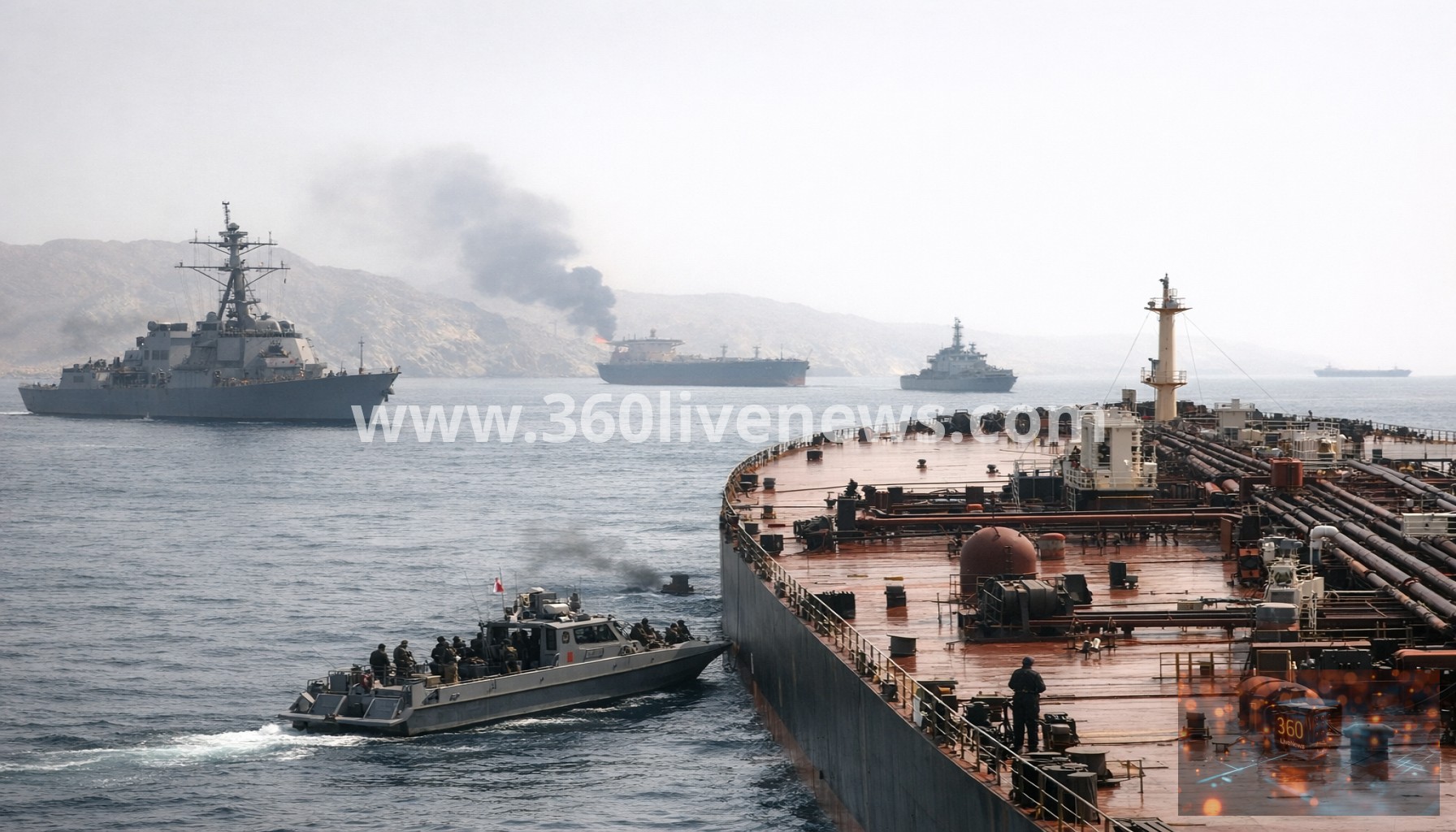
The situation in the Strait of Hormuz has intensified as conflict continues between Iran and external powers, particularly Israel and the United States. Reports indicate that in the last 24 hours, traffic through this vital shipping channel has come to a near standstill, despite Iran's recent conditional lifting of its blockade. This development comes against the backdrop of a fragile ceasefire that appears to be faltering, with ongoing hostilities impacting not just regional stability but also global oil prices.
Initial reactions to the ceasefire agreement, which was purported to ease tensions, have quickly turned tentative as hostilities ramp up again. Rockets are reportedly still being fired, leading to concerns over a comprehensive resolution to the violence that has engulfed the region for almost six weeks. Meanwhile, the impact of this protracted conflict is being felt far beyond the immediate geographical area, especially in economic terms.
The humanitarian toll from the ongoing military actions has been staggering, with thousands confirmed dead or injured and countless others displaced from their homes. Cities in Iran have suffered extensive damage, underscoring the grave implications of the military campaign. Reports from the region suggest that the infrastructure needed for basic living conditions poses a significant crisis, which could further exacerbate existing tensions and lead to broader regional instability.
This military conflict, while largely confined to the region, has far-reaching implications. The Strait of Hormuz is a critical maritime choke point through which approximately 20% of the world's oil passes. The suspension of traffic not only impacts Iran’s economy but also has repercussions for global oil prices, further complicating an already delicate energy market. Financial analysts are warning that unless a sustainable resolution is reached, the ongoing conflict could trigger significant spikes in oil prices at the pump worldwide.
Institutionally, both the U.S. and Israeli governments remain deeply engaged in negotiating the terms of the ceasefire while weighing military options. Official statements indicate a strong commitment from both nations to maintain pressure on Iran. The U.S. has continually highlighted the importance of navigating this geopolitical crisis, emphasizing deterrent strategies in response to Iranian aggression while working to secure the safety of maritime routes through the Strait.
Diplomatically, the situation has generated a flurry of international dialogues, with various stakeholders attempting to mediate discussions. The intricate balance of power in the Middle East, particularly regarding U.S.-Iran relations, adds another layer of complexity to the negotiations. Historical tensions between Iran and these nations have only amplified as regional actors assert their influence in the face of perceived existential threats.
At this juncture, the ceasefire appears to be more a temporary measure than a definitive solution. Expert opinions highlight the necessity for an unprecedented diplomatic effort to address underlying grievances that fuel the conflict. Furthermore, analysts have pointed to the possibility that without meaningful engagement from all parties, lingering hostilities could escalate once again, plunging the region into a deeper crisis.
The economic ramifications of this conflict cannot be understated. With a considerable portion of the global oil supply potentially at risk due to increased hostilities, international markets remain on high alert. The dependence of many nations on oil imports from regions around the Strait underscores the urgent need for dialogue aimed at averting further violence. Experts suggest that without robust international intervention, the cycle of violence could spiral out of control, impacting not just regional but global economic stability.
In summary, the fragile ceasefire and the complicated dynamics at play in the Strait of Hormuz serve as a stark reminder of the precariousness of peace in this region. The ongoing military actions, combined with the humanitarian crisis, underscore the urgent need for effective diplomatic solutions. As this situation continues to develop, the implications for international relations and the global economy remain profound, signaling that the story is far from over.
#Iran #Israel #USA Gaza">#Gaza #StraitOfHormuz #OilCrisis #Ceasefire #ConflictResolution