Israel and Lebanon extend ceasefire by three weeks following US-brokered talks
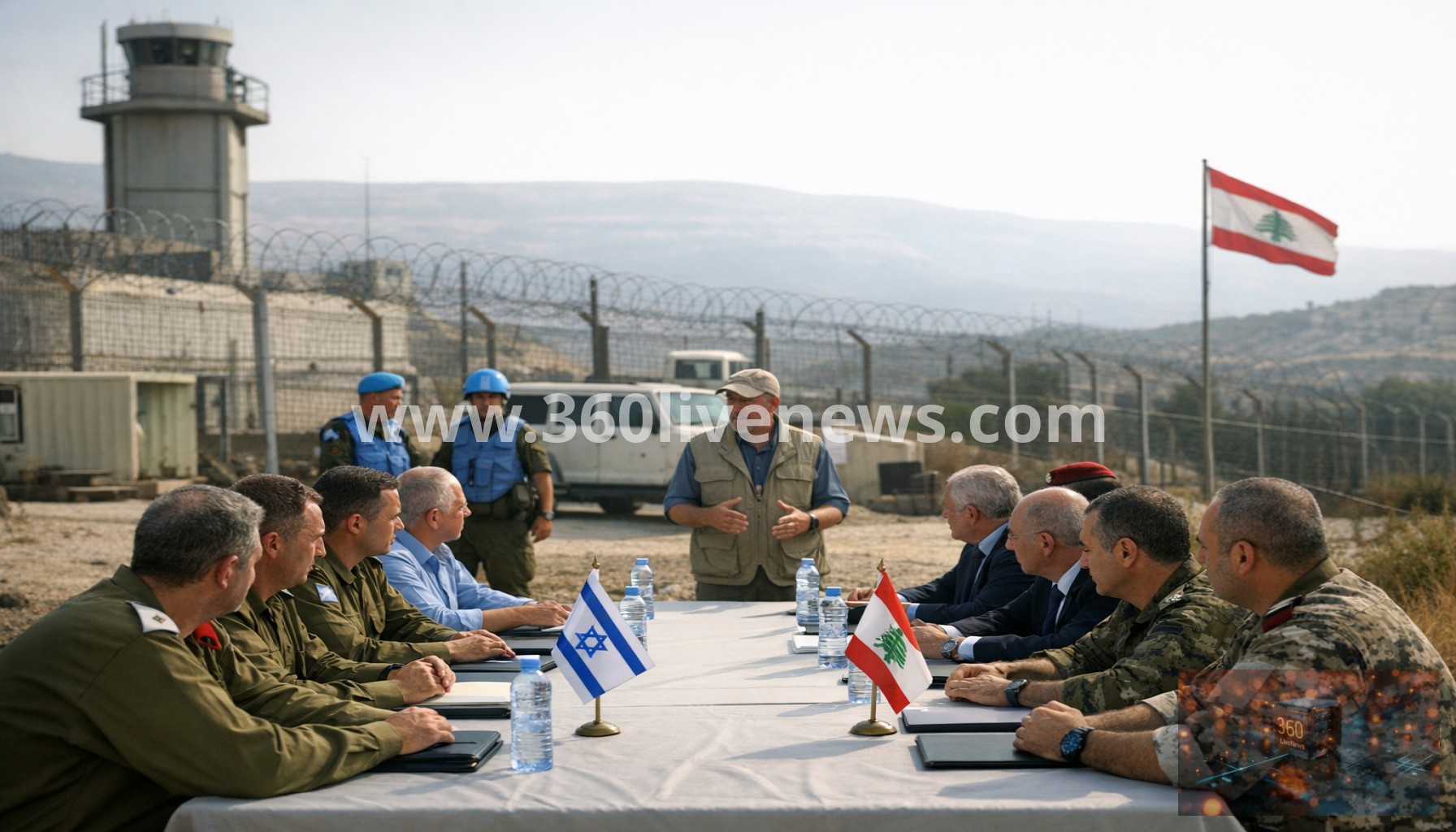
Israel and Lebanon have agreed to extend their ceasefire by three weeks after a second round of talks facilitated by the United States at the White House.
The extension was confirmed during a meeting hosted by US President Donald Trump, who welcomed Israel's ambassador to Washington, Yechiel Leiter, and Lebanon's ambassador to the US, Nada Moawad.
President Trump described the meeting as successful and expressed optimism about the prospects for a peace deal between the two countries.
The ceasefire, initially reached after talks between the two nations' ambassadors last week, was set to expire on Sunday but has yielded a significant reduction in violence despite some ongoing attacks in southern Lebanon.
Trump stated that the US would work with Lebanon to help it protect itself from Hezbollah, the Iran-aligned armed group involved in the conflict with Israel.
He also indicated plans to host Israeli Prime Minister Benjamin Netanyahu and Lebanese President Joseph Aoun in the near future, hoping for a meeting during the three-week cessation of hostilities.
Lebanese officials have indicated intentions to push for an Israeli withdrawal, the return of Lebanese detainees held in Israel, and a delineation of the land border in subsequent negotiations.
The ongoing conflict between Israel and Hezbollah has been a significant factor in the broader regional tensions, which also involve Iran's nuclear ambitions and control over the strategic Strait of Hormuz.
President Trump emphasized his willingness to wait for the "best deal" to end the conflict with Iran, aiming for a lasting peace agreement rather than a rushed resolution.
In parallel with the ceasefire extension, Trump ordered the US Navy to take aggressive action against Iranian boats laying mines in the Strait of Hormuz, claiming that US minesweepers were actively clearing the strait.
Despite Iran's recent seizure of two large cargo ships and the continued blockage of navigation in the passage, Trump dismissed concerns about Iran's naval capabilities.
The Strait of Hormuz remains a vital shipping route for global oil supplies, and its effective blockade has caused significant disruptions to oil markets and heightened economic strains worldwide.
Iran's Supreme Leader, Ayatollah Mojtaba Khamenei, rejected claims of internal disarray within Iran's leadership, describing such assertions as enemy propaganda aimed at undermining Iranian unity and security.
What remains unclear is how the ceasefire extension will hold amid ongoing accusations of violations by both Israel and Hezbollah, and whether the planned meetings between leaders will lead to a comprehensive peace agreement.
