Ayatollah Ali Khamenei, Iran's Supreme Leader, confirmed killed in US and Israel air strikes, sparking celebrations across Iran
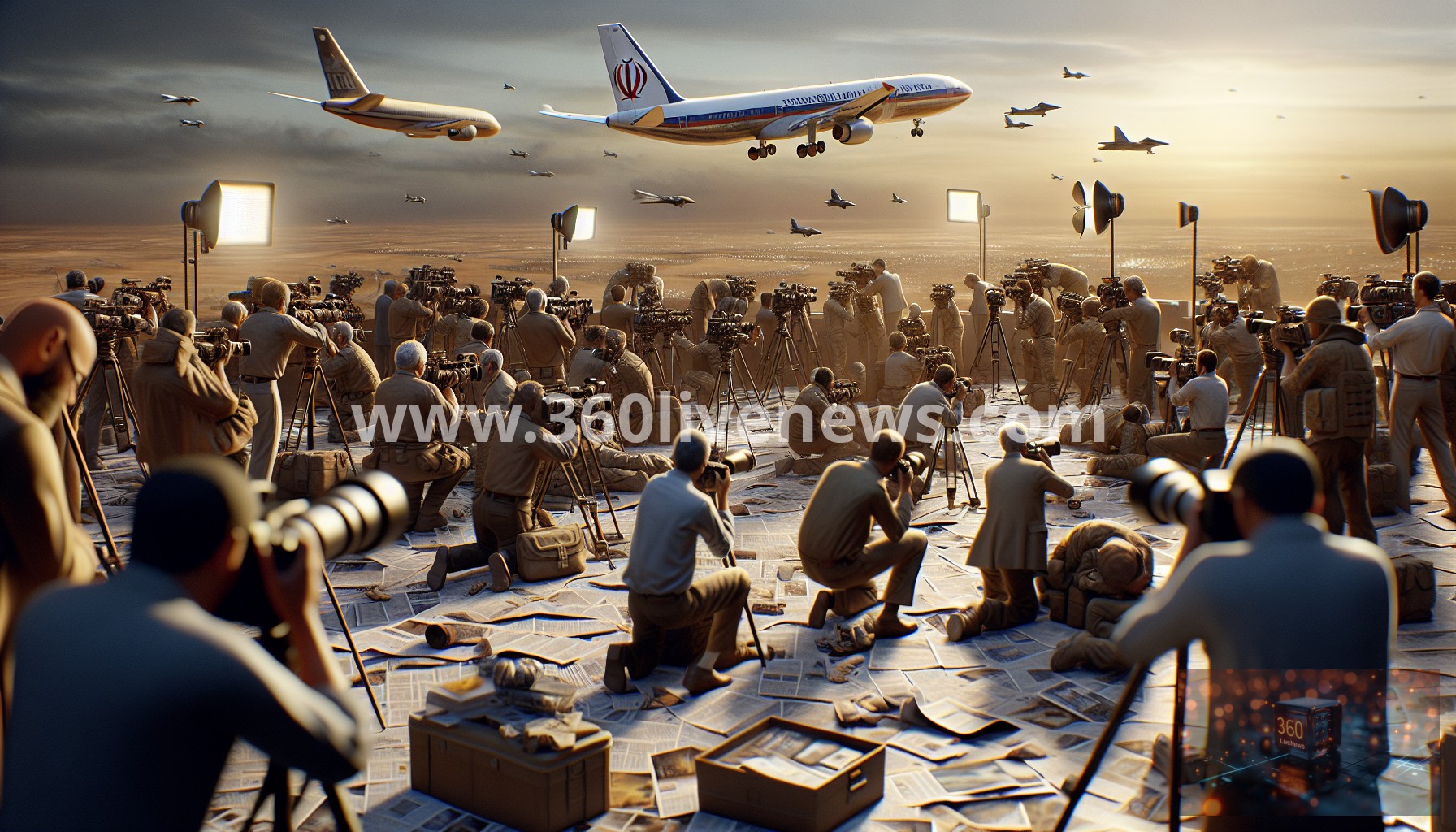
Reports have confirmed that Ayatollah Ali Khamenei, Iran's Supreme Leader, has been killed in a series of air strikes conducted by the United States and Israel. The situation has led to widespread celebrations across Iran, with many citizens expressing hopes that his death may signal the end of a repressive regime. Protesters, particularly in cities like Amol, have voiced their exhilaration over the news, rallying to commemorate this moment as a potential turning point for their country's future.
The air strikes, part of a coordinated military operation dubbed Operation Epic Fury by the United States and Operation Roaring Lion by Israel, targeted multiple sites associated with Iran's military and intelligence infrastructure. Reports mention that numerous senior figures within Iran's military and security apparatus have also been killed during the operation, further destabilizing the already fractious leadership structure in Iran. These actions follow escalating tensions between Iran and the West, particularly as both nations seek regime change in Tehran.
U.S. President Donald Trump hailed Khamenei's death as "justice for the people of Iran," amplifying calls for a shift in leadership. In contrast, Iranian representatives at the United Nations have condemned the strikes as unjustified, claiming they constitute a war crime. Amir-Saeid Iravani, Iran’s ambassador, asserted that the strikes have resulted in a significant number of casualties among civilians, accusing the U.S. of concocting a narrative for military intervention. This statement underscores the heightened rhetoric and conflicting narratives surrounding the airstrikes.
International reactions to the airstrikes and Khamenei’s death have been mixed. While some anti-regime groups within Iran celebrate, reports of civilian casualties, harm to non-combatants, and the potential for further violence complicate the situation. The bombings have drawn harsh criticism from various human rights organizations, reminding the global community that such military actions often exacerbate humanitarian crises. Iranian state media reported that hundreds of civilians have died or been injured, straining the already beleaguered healthcare system in the country.
This recent development builds on an already complex history of tension between Iran and both Israel and the United States. Following previous military escalations, economic sanctions, and diplomatic standoffs over Iran’s nuclear program, this incident represents a significant change in tactics within the broader context of U.S.-Iranian relations. The long-standing animosity has now culminated in open military confrontations that threaten regional stability.
With the possibility of further military actions, the international implications are significant. Analysts suggest that this strike could provoke retaliatory attacks from Iran, escalating conflict and potentially drawing in additional regional players. The increased instability could lead to a wider confrontation that might involve neighboring countries and other global powers, complicating diplomatic efforts across the Middle East.
Amir, a protester in Amol, reflected on the moment, stating that many hope to celebrate the Persian New Year, Nowruz, under new leadership. The symbolism of rebirth associated with the holiday juxtaposes sharply against the backdrop of violence and loss. If this moment indeed signals a shift, many Iranians see it as a chance to usher in change away from authoritarian governance towards a more democratic society.
The air strikes and Khamenei's death mark a critical pivot in U.S. and Israeli strategy vis-à-vis Iran. Policy experts are closely monitoring the situation, noting that achieving regime change in Iran would require not only military might but also careful diplomacy to ensure post-regime stability. As the coming days unfold, the international community may need to respond to the repercussions of this significant military action.
Looking ahead, it remains to be seen how Iran will respond, both militarily and politically. Diplomatic channels may become even more strained as Khamenei's death exacerbates existing divisions not only within Iran itself but also with respect to its alliances and opposition abroad. The prospect for peace and stability in the Middle East hangs on the delicate interplay of military, diplomatic, and civil society forces emerging from this pivotal moment.
#Iran #AliKhamenei #UnitedStates #Israel #OperationEpicFury #OperationRoaringLion #DonaldTrump #MiddleEast
