Ukraine to Deploy Drone Experts to Middle East for Support Against Russian Forces
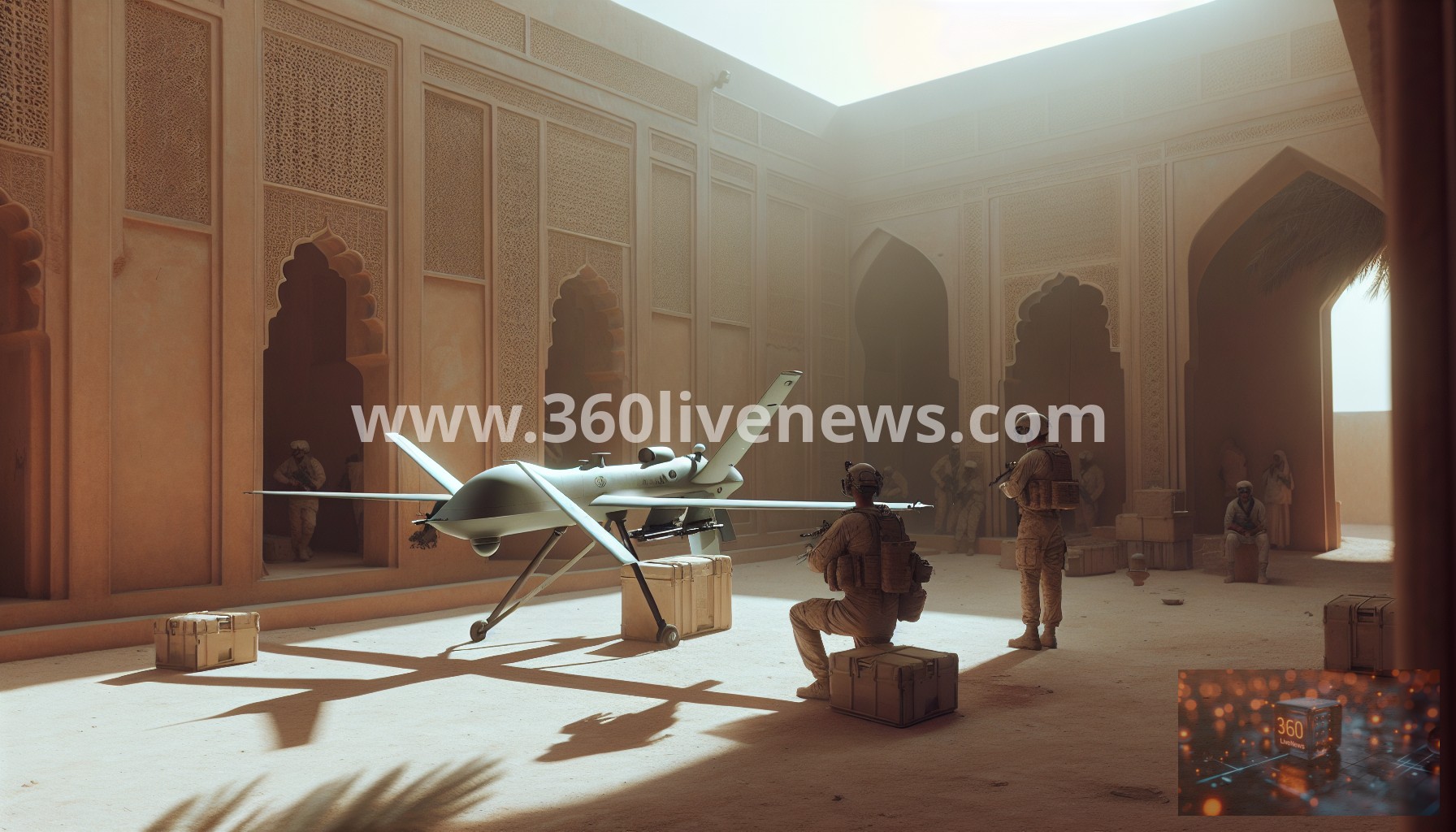
As the war in Ukraine continues to intensify, Ukrainian President Volodymyr Zelenskyy has announced that drone experts from Kyiv will be deployed to the Middle East in the coming days. This move aims to facilitate reciprocal support in repelling Russian forces, while securing much-needed US air defense missiles in exchange for Ukraine's expertise in drone warfare. This development comes as the conflict, now over 1,400 days old, accounts for significant displacement and casualties among children in Ukraine, illuminating the war's pervasive impact on the nation’s youth.
During a recent press conference held on Sunday, Zelenskyy expressed a sense of urgency about the situation. He noted that Ukrainian forces are facing a perilous shortage of the US PAC-3 air defense ammunition, which has raised concerns that an extended conflict in the Middle East might further disrupt supply lines. Zelenskyy stated, “It is too early to say anything else at this stage,” but emphasized the necessity of examining the situation further upon their arrival in the region.
In discussions with the Dutch Prime Minister Rob Jetten, Zelenskyy touched upon joint production of arms, highlighting Ukraine's unique experience in countering Iranian-made drones utilized by Russian forces. The Netherlands has emerged as a key partner in Ukraine's defense strategy, contributing $870 million to the Europe-wide PURL program that aims to procure US weaponry for Ukraine. By fostering this collaboration, both nations seek to create tactical advantages against potential aggressors.
Ukraine's endeavors highlight a broader trend in defense procurement in Europe. A recent report by the Stockholm International Peace Research Institute (SIPRI) illustrates a nearly 10% increase in global arms flows over the past five years, with European nations more than tripling their imports since the onset of the conflict in Ukraine. This surge can be attributed to countries bolstering their military capabilities amidst rising tensions with Russia and ensuring the supply of weaponry to support Kyiv.
The conflict’s toll on Ukraine's children has also been highly alarming. Children have become vulnerable targets amid the ongoing violence, with many either displaced or orphaned, marking a devastating reality. Letters penned by young survivors depict a mix of sadness, hope, and aspirations, revealing the profound psychological impacts that this prolonged conflict has inflicted on a generation. A 17-year-old girl named Kateryna, displaced from Kharkiv to Kyiv, serves as a poignant illustration of this struggle.
This situation underscores the urgent need for educational and psychological support for affected children, who may face a challenging future devoid of adequate resources to recover. Experts warn that the psychological effects experienced by these children could perpetuate struggles for years to come, emphasizing the social ramifications of the war that extend beyond immediate military concerns.
The request for US air defense systems juxtaposed with Ukraine's readiness to share its drone warfare knowledge represents a strategic pivot. As nations scramble to reevaluate their defense postures amid unforeseen geopolitical shifts, the drive for newly formed partnerships based on drone technology illustrates an adaptive response to contemporary military threats. Furthermore, this dynamic can lead to potential trade-offs where Ukraine might have to forfeit access to critical resources while aiding allied nations.
The implications of Zelenskyy's latest announcements extend far beyond immediate military strategy, encompassing broader geopolitical considerations. As the situation in the Middle East remains volatile, the attention of major powers,particularly that of the United States,may influence the trajectory of Ukraine's conflict with Russia. The ongoing war in Ukraine has already escalated into a focal point for international arms dynamics, with possibilities of shifting alliances and defense partnerships forming against a backdrop of increasing global insecurity.
In conclusion, the current state of affairs in Ukraine, marked by strained supply lines and a dire humanitarian situation, reflects the complexities of modern warfare where traditional military engagements meet intricate diplomatic maneuvering. As Ukraine navigates these challenges, the role of international partnerships will be pivotal in shaping both its immediate military strategy and its long-term recovery efforts for a generation traumatized by conflict.
#Ukraine #Zelenskyy #MiddleEast #diplomacy #drone #war #children #defense
