US Treasury Department eases sanctions to allow sale of Russian oil at sea amid rising energy prices and Middle East tensions
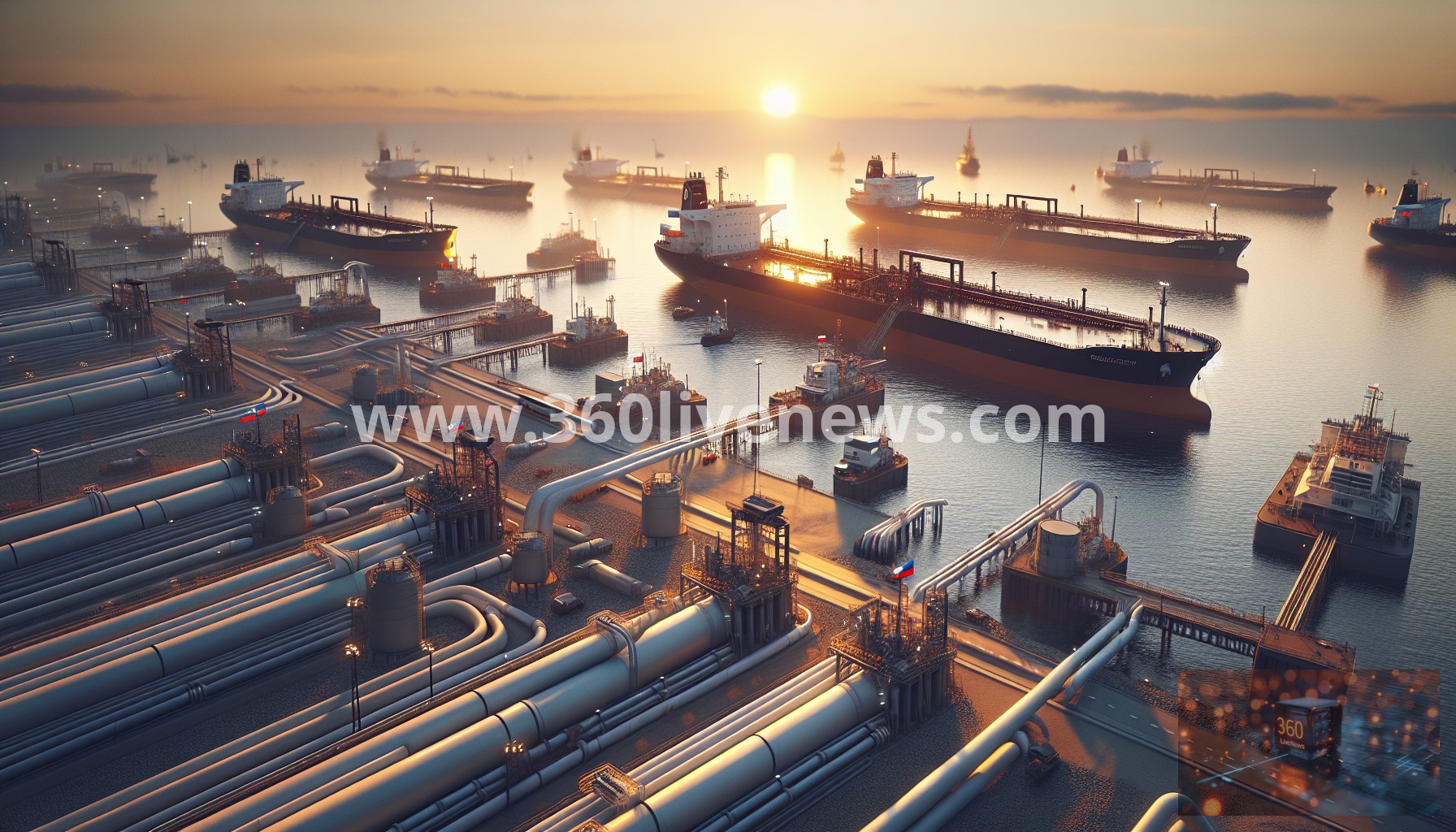
The United States Treasury Department announced a temporary easing of sanctions allowing the sale of Russian oil at sea, a decision that coincides with soaring energy prices following US-Israeli military actions against Iran. The new measure permits the delivery and sale of Russian crude oil and petroleum products loaded on vessels prior to a designated time of 12.01 AM Eastern Time on March 12, extending through to 12.01 AM on April 11.
This unprecedented move took place against a backdrop of escalating turmoil in the Middle East, as the recent US-Israeli strikes on Iranian territory have resulted in a significant geopolitical fallout. The tensions have spurred a surge in energy prices, with Brent crude recently trading at over $100 per barrel. This temporary authorisation aims to counteract the disruption in global oil markets caused by the ongoing conflict and economic instability.
The easing of restrictions is part of the US's broader strategy to manage energy supply fluctuations that could result from protracted hostilities in the region. US Treasury Secretary Scott Bessent stated that the new license aims to “increase the global reach of existing supply.” This pertains to previously stranded Russian oil, which had been awaiting clearance due to existing sanctions linked to Russia's invasion of Ukraine.
In response to the heightened conflict dynamics, Brent crude prices surged over 9% on Thursday, reaching $101.13 per barrel during early trading hours on the international market. The repercussions are not just limited to oil prices; they extend to global stock markets, where exchanges in Tokyo, Seoul, and Hong Kong reported significant declines following a shaky Wall Street performance.
As this situation unfolds, the relaxation of sanctions raises questions about international economic relationships and the stability of energy markets amid increasing volatility. The influence of Iranian control in critical maritime passages, such as the Strait of Hormuz, underscores the strategic importance of these dynamics, posing risks not only to direct participants but to global energy security as well.
The ongoing conflict between the United States, Israel, and Iran has historical roots, with decades of diplomatic tensions affecting relations and energy trade flows. Iran's pivotal role in the global oil market and its geographical positioning make the region a focal point of energy strategies and global market responses. As analysts assess the current environment, expectations of a prolonged military engagement could further disrupt supply chains and heighten market volatility.
The recent US decision reflects a delicate balance of maintaining international oil supply while navigating complex geopolitical waters. This temporary exemption for Russian oil highlights an inclination to pivot strategically in response to immediate market concerns while also addressing the broader implications of sanctions against Russia. Observers note that this could set a precedent for similar arrangements in future policy assessments.
Looking ahead, the geopolitical repercussions of the ongoing hostilities in the region, combined with the inherent uncertainties of oil markets, may compel multi-national energy stakeholders to reassess risk strategies. Institutions such as the International Energy Agency may also need to engage in dialogue to address these developments effectively. Moreover, there are looming questions about how this relaxation fits within the framework of existing sanctions and its implications for countries like India, now permitted to purchase stranded Russian oil.
The international community continues to watch the energy markets closely while evaluating the potential for longer-term conflicts and their fallout on energy supply dynamics. Future policy adjustments and strategic collaborations will be pivotal, as countries and institutions navigate the delicate balance between energy security and geopolitical stability in an increasingly fragmented global landscape.
#Russia #Oil #MiddleEast #Iran #Israel #EnergyMarket #Sanctions #Ukraine
