US Central Command reports 200 American troops wounded in ongoing US-Israeli operation against Iran
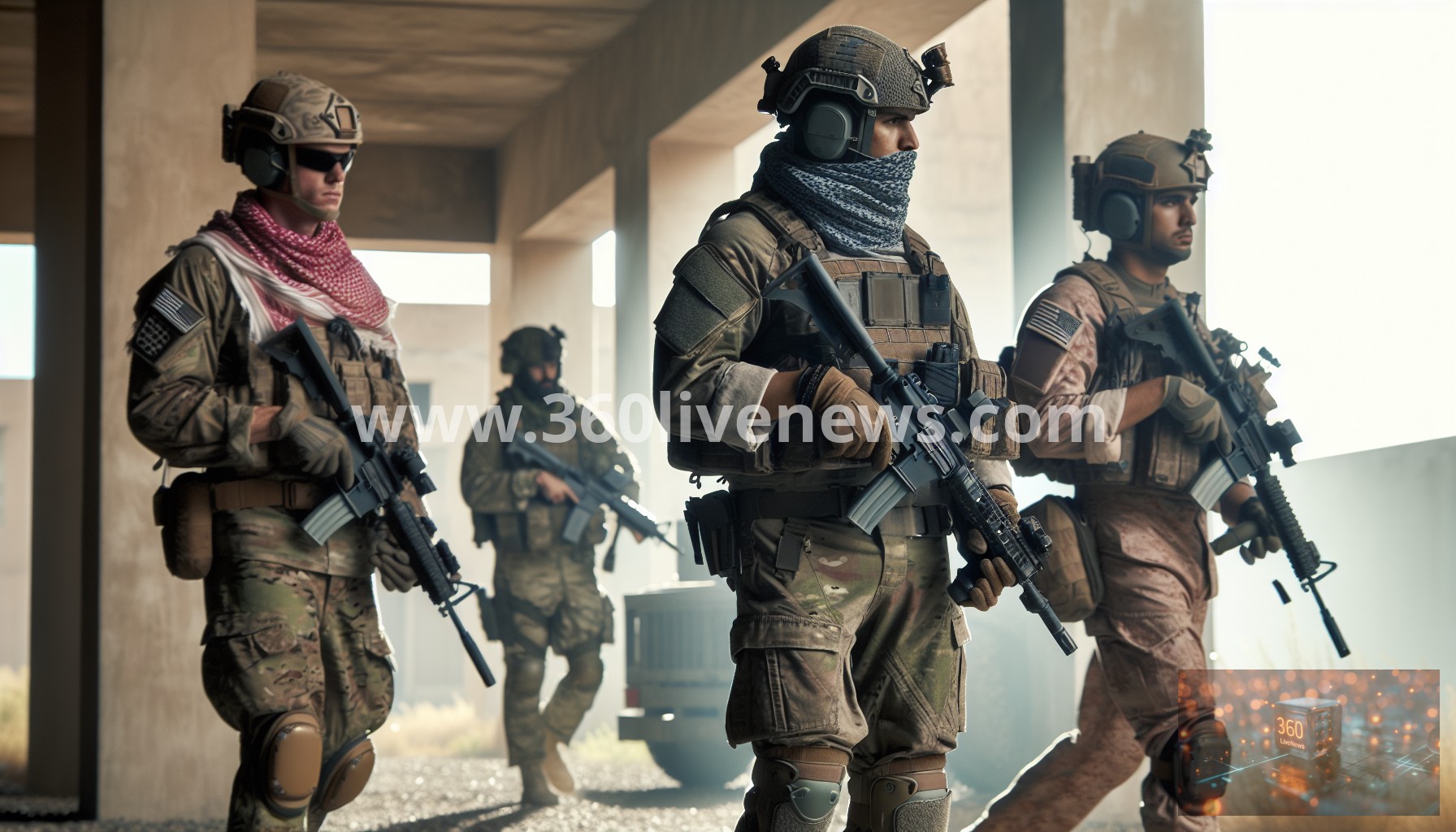
In a significant escalation of military engagement, the US-Israeli operation against Iran has resulted in at least 200 American troops being wounded. This figure, reported by the US Central Command, illustrates the ongoing violence as Operation Epic Fury unfolds. The spokesperson for Central Command, Captain Tim Hawkins, revealed that while the vast majority of these injuries have been minor, at least 10 service members suffered serious wounds. Notably, 180 of the injured troops have already returned to active duty, though specific details about the nature of the injuries remain undisclosed.
The operation, which has led to substantial casualties on both sides, also reports 13 American service members and more than 1,300 Iranians dead. This casualty count underscores the high stakes involved in the conflict, as US forces collaborate closely with Israel in heightened military operations aimed at Iran. The conflict's launch seems to have created a precarious security situation in the region, with unintended consequences for US foreign policy and regional security dynamics.
The US and Israel’s military efforts have attracted attention given their impact on global energy markets, particularly concerning the strategic Strait of Hormuz. This vital maritime route accounts for around 20 percent of the world's oil supply, making it a critical arena for international energy security. Heightened military activity has effectively closed the strait to most shipping, leading to soaring energy prices worldwide and increased volatility in financial markets. Japan and South Korea, heavily reliant on oil from this region, could feel the effects more acutely, raising concerns about their economic stability amidst global unrest.
Geopolitical tensions have intensified as the US military seeks to recalibrate its strategy in light of Iran's responses. Despite the damaging effects of continuous airstrikes, US intelligence reports suggest that Iran's government is consolidating power, likely resulting in a more hard-line regime backed by the elite Islamic Revolutionary Guard Corps. This consolidation could further complicate diplomatic relations and efforts to stabilize the region, complicating US interests in promoting democracy and security within Iran.
The ramifications extend beyond military casualties and geopolitical struggles. Hong Kong, as a major international maritime hub, is already experiencing repercussions from the conflict as the threat of disruption to oil supplies looms large. With over 80 percent of its energy imports tied to mainland China, Hong Kong's position is increasingly precarious in this volatile context. Initiatives toward green fuel bunkering and improved marine war-risk insurance are being urged to safeguard its reputation as a shipping center. The effects of the US-Israeli strikes indicate a pressing need for immediate action to mitigate the risks associated with maritime security.
As stock markets respond to fluctuating oil prices, analysts are monitoring the economic health of countries severely affected by the conflict. Brent crude prices, for example, have dipped to around $US100 per barrel amidst the turbulence. Economic factors are compounded by political responses; US President Donald Trump has expressed frustration regarding the international response to the situation, particularly concerning the control of the Strait of Hormuz. A robust geopolitical discussion is now ongoing, assessing the challenges facing the US as it navigates its allies’ support and engagement in the Gulf region.
Moreover, experts are raising alarms about the potential for broader escalation as the US and Israeli military operations continue. The historical context of US-Iran relations, characterized by decades of conflict and distrust, plays a pivotal role in the present cycle of aggression. As the US maintains military pressure, questions arise about its long-term strategy and the possibility for diplomatic avenues. Future analyses will likely centralize around how these military developments will reshape not just US foreign policy, but the broader dynamics of Middle Eastern politics.
The ongoing military effort by US and Israeli forces will remain under scrutiny, not only for its immediate impacts on Iranian military capabilities but also for the profound implications on international security and trade. As developments unfold, further assessments of the strategic balance in the region, especially concerning energy security, the stability of local governments, and the inevitable shifting alliances among nations will be critical. With casualties rising and regional tensions escalating, both officials and civilians are left to navigate an increasingly complex geopolitical landscape.
#Iran #Israel #USMilitary #StraitOfHormuz #EnergySecurity #OperationEpicFury #HongKong Geopolitics">#Geopolitics #IslamicRevolutionaryGuardCorps #USForeignPolicy #MiddleEast Trade">#Trade #EconomicImpact
