
Iran Launches Military Strikes on Energy Facilities in Qatar and Israel, Targeting Critical Infrastructure
In a significant escalation of hostilities in the region, Iran has launched military strikes on key energy facilities in both Qatar and Israel. The unfolding situation indicates robust military engagement from Iran, targeting critical infrastructure that could impact global energy supplies and further entrench geopolitical tensions. On the evening of March 19, Iranian missiles struck an oil refinery in Haifa, Israel, disrupting power supplies temporarily, although no casualties have been reported. The refinery, which produces approximately half of Israel's domestic fuel supply, serves a crucial role in ensuring energy stability for the nation. The Iranian Revolutionary Guard has publicly stated... [Continue Reading]

Israel Claims Airstrikes Have Severely Reduced Iran's Uranium Enrichment and Missile Production Capabilities
The ongoing conflict between Israel and Iran intensified recently, primarily marked by airstrikes that Israeli Prime Minister Benjamin Netanyahu claims have decimated Iran's ability to enrich uranium and produce ballistic missiles. Following 20 continuous days of coordinated US-Israeli strikes, Netanyahu stated in a news conference that Iran no longer possesses these capabilities. He outlined that the objective of these strikes is to dismantle factories responsible for manufacturing missiles and components intended for nuclear weapon production. However, Netanyahu did not present concrete evidence to support his assertions regarding Iran's diminished capabilities. Further complicating the situation is the fallout from an Israeli... [Continue Reading]
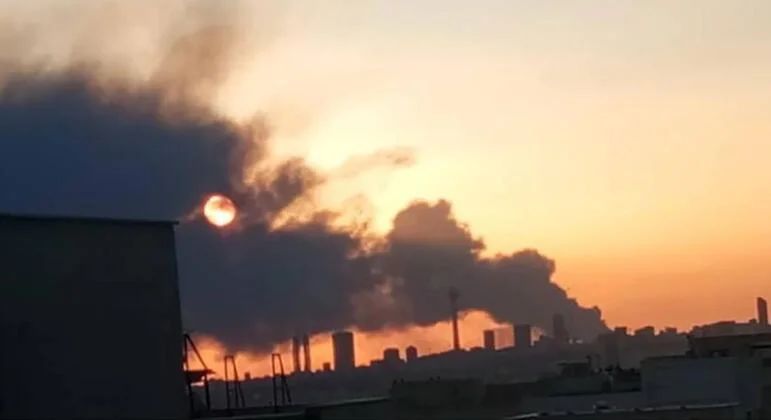
UN chief urges US, Israel to end assaults amid Iran attacks on Gulf energy sites
UN Secretary-General António Guterres issued a stark warning regarding the escalating conflict in the Middle East. Speaking after briefing EU leaders in Brussels, he called on the United States and Israel to end their bombing campaigns against Iran to prevent the situation spiraling out of control, which could exacerbate civilian suffering, especially in less developed countries. Guterres emphasized that ongoing attacks are worsening energy prices and supply chain disruptions worldwide. At the same time, Guterres condemned Iran's recent attacks on natural gas fields and other critical energy infrastructure in the Gulf region. These strikes involve nations that have not participated... [Continue Reading]
 360LiveNews | 19 Mar 2026 19:12


Tanker carrying Russian diesel set to arrive in Cuba amid US fuel blockade
A tanker carrying Russian diesel is scheduled to reach Cuba "in several days", despite the ongoing US fuel blockade that has deeply affected the island's economy. Maritime intelligence firm Windward reports that this arrival would mark the first confirmed shipment of refined oil products to Cuba since early January. The tanker, identified as the Hong Kong-flagged Sea Horse, has purportedly employed deceptive tactics to navigate around enforcement of the blockade. Earlier reports indicated that the Sea Horse had likely delivered approximately 190,000 barrels of Russian diesel to Cuba in early March. However, recent updates have clarified that the vessel has... [Continue Reading]


Iran warns of zero restraint in response to attacks on its energy infrastructure following Israeli airstrikes on South Pars gasfield
In a notable escalation of tensions, Iranian Foreign Minister Abbas Araghchi has warned that Iran will exhibit "zero restraint" if its energy infrastructure comes under attack again. This warning follows Israeli airstrikes on Iran's South Pars gasfield, a critical energy resource shared with Qatar, which has resulted in significant retaliatory actions from Tehran, including strikes aimed at Qatar’s Ra's Laffan gas complex. The repercussions of these strikes have notably disrupted Qatar's liquefied natural gas export capacity, with estimates indicating that nearly one-fifth has been incapacitated, leading to widespread implications on global energy prices and stock markets. During this latest incident,... [Continue Reading]
Israel Intensifies Military Operations Against Iranian Interests, Strikes South Pars Gas Field
Israel's military operations against Iranian interests intensified on March 19, marking a notable escalation in ongoing regional tensions. The Israeli air force struck designated areas of Iran's portion of the South Pars gas field, the world's largest offshore gas reservoir, which Iran shares with Qatar's Doha. This action reportedly took place on March 18, costing significant collateral in terms of energy resources, which has since influenced global oil prices. The South Pars gas field, located in the Persian Gulf, has been pivotal in shaping both Iranian energy policy and its geopolitical standing in the region. Israel's recent attacks target not... [Continue Reading]
Missile Strikes on Qatar's Ras Laffan Industrial City Disrupt Global LNG Supplies and Increase Energy Prices
A significant escalation in regional tensions has unfolded following missile strikes on Qatar's Ras Laffan Industrial City, a crucial hub for liquefied natural gas (LNG) production. The attacks, attributed to Iran, have reportedly caused "extensive damage" to the facility, leading to substantial disruptions in gas supplies and a subsequent spike in global energy prices. Ras Laffan, responsible for about 20% of the world's LNG production, is vital for various global energy markets, making this situation particularly concerning for international stakeholders. The strikes on Ras Laffan came as retaliation after Israel reportedly targeted Iran's South Pars gas field, part of the... [Continue Reading]


UK Joins Five Nations in Condemning Iran's Attacks on Gulf Oil and Gas Infrastructure Amid Rising Energy Security Concerns
In a significant escalation of regional tensions, the United Kingdom has joined five other nations in a strong condemnation of Iran's recent attacks on oil and gas infrastructure in the Gulf region. The Iranian strikes, which reportedly inflicted extensive damage to energy complexes in Qatar, were described as retaliatory actions in response to earlier Israeli attacks on Iran’s South Pars gas field. This incident has incited further concerns over energy security, driving oil prices to surge above $119 per barrel. The joint statement issued by the leaders of the UK, France, Germany, Italy, the Netherlands, and Japan condemned Iran for... [Continue Reading]
Iran Targets Qatar's Ras Laffan LNG Facility in Military Response Following Israeli Airstrike
Iran has launched a significant military response against Qatar, targeting the Ras Laffan liquefied natural gas (LNG) facility, which is the largest of its kind globally. This escalation follows an Israeli airstrike that hit Iran's South Pars gas field. Qatar reported "extensive" damage to the LNG site early Thursday, after the Iranian strikes. This incident raises urgent concerns regarding global energy supplies and has prompted strong reactions, including threats from former U.S. President Donald Trump towards Iran. The attack on Ras Laffan underscores the fragile stability in the Gulf region. Reports indicate that Iran's actions were a direct retaliation against... [Continue Reading]
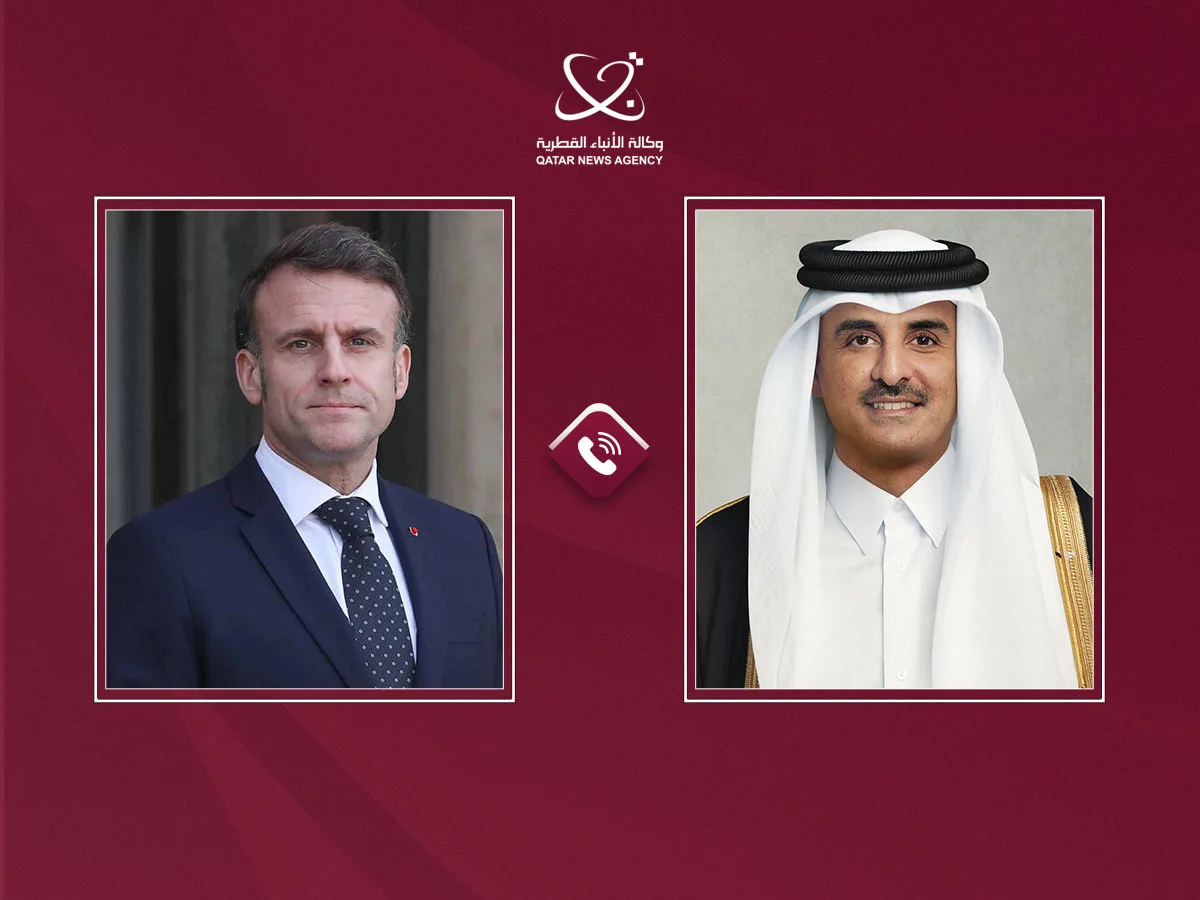
Qatar and France Warn Against Military Attacks on Civilian Energy Facilities Amid Regional Tensions
Qatar's Amir Sheikh Tamim bin Hamad Al-Thani held a phone call with French President Emmanuel Macron following a recent attack on the Ras Laffan Industrial City, a key energy hub in Qatar. The attack has raised concerns about escalating military aggression threatening both regional security and the stability of global energy markets. Both leaders strongly condemned the military strikes targeting civilian infrastructure crucial for energy and water supply. Macron stressed the urgency of halting these attacks to protect civilian populations and prevent disruptions to essential resources that could have far-reaching consequences. The dialogue underscores the growing international alarm over the... [Continue Reading]
360LiveNews | 19 Mar 2026 06:39
Qatar Urges UN to Act as Iran’s Attacks on Its Territory Escalate
Qatar has issued a ninth formal appeal to the United Nations regarding what it calls persistent aggressive actions by Iran against its territory. Since February 28, 2026, Qatar reports multiple incursions into its airspace requiring active defense measures up to March 16. The ongoing Iranian aggression challenges Qatar’s sovereignty and escalates tensions in the already volatile Gulf region. These repeated violations harm Qatar’s national security and risk wider instability across the Middle East, affecting not only Qatar but neighboring states reliant on stable borders and secure air corridors. The letter, delivered by Qatar's UN ambassador Sheikha Alya Ahmed bin Saif... [Continue Reading]
360LiveNews | 19 Mar 2026 06:00


Iran Retaliates Against Attacks on South Pars Gas Field Amid Rising Gulf Tensions
Escalating Tensions in Gulf as Iran Strikes Back Following Attack on South Pars Gas Field - Developing story The situation in the Gulf region has intensified as Iranian forces retaliate against recent attacks on their energy infrastructure, notably targeting the South Pars gas field, the world's largest natural gas field. US President Donald Trump emphasized that Israel was responsible for the attack on this significant asset, and he vowed that the US would respond decisively if Iran continued its aggression, particularly towards Qatar. Reports emerged late Wednesday detailing that a key Israeli strike hit Iran's South Pars gas field, prompting... [Continue Reading]


Qatar orders departure of Iranian military attaches amid rising tensions following gas facility attack
In a significant escalation of tensions between Qatar and Iran, the Qatari Ministry of Foreign Affairs has ordered the departure of Iran's military and security attaches and their accompanying staff. This decision comes in the wake of a recent attack on a major natural gas facility in Qatar, underscoring the heightened geopolitical tensions in the region. The Iranian diplomats have been given a 24-hour deadline to exit the country, marking a deterioration in relations between the two nations. Details about the attack on the natural gas facility remain limited; however, it has been reported that the incident resulted in serious... [Continue Reading]
Israel's Killing of Iranian Intelligence Minister Esmail Khatib Marks Escalation in Middle East Conflicts
The recent killing of Iranian Intelligence Minister Esmail Khatib by Israel represents a significant escalation in the ongoing conflicts between the two nations, further destabilizing the geopolitical landscape of the Middle East. The Israeli strike not only targeted Khatib but was also accompanied by an assault on the South Pars natural gas field, a vital component of Iran's energy infrastructure, solidifying the narrative of increased hostility and retaliatory actions from Tehran. Khatib's death was confirmed by Israeli Defence Minister Israel Katz, who stated that Israel will persist in thwarting threats from Iran and its leadership. The action against Khatib is... [Continue Reading]
Iran Launches Ballistic Missile Strike on Qatar's Ras Laffan Industrial City, Causing Significant Explosion
In a significant escalation of tensions in the Middle East, Iran has launched a ballistic missile strike on the Ras Laffan Industrial City in Qatar, the world’s largest natural gas facility. This attack, described as part of a "full scale economic war" by Iran, resulted in a substantial explosion on the site. Eyewitnesses reported seeing large flames and plumes of smoke, leading to immediate responses from emergency services to contain the situation. As confirmed by Qatar’s Ministry of Interior, civil defence units are actively working to manage the fire caused by the missile strike. The state-owned energy company, QatarEnergy, has... [Continue Reading]


US Federal Reserve Keeps Interest Rates Unchanged Amid Geopolitical Tensions in the Middle East
The US Federal Reserve has made a significant decision to keep interest rates unchanged, maintaining the range between 3.50% and 3.75%. This decision comes in light of rising tensions and substantial changes in the Middle Eastern geopolitical landscape, specifically due to the ongoing war in Iran. The Fed's recent vote, which passed with an 11-1 majority, highlights its careful consideration of various economic pressures, including inflation and the state of the labor market. Recent reports indicate that soaring oil prices, driven by the conflict in Iran, are raising concerns about inflation, which remains above the Fed's target of 2%. These... [Continue Reading]


Iran threatens to target oil and gas facilities in Gulf following Israeli attack on South Pars gasfield
Iran has escalated tensions in the Gulf region by threatening to strike multiple oil and gas facilities in response to an Israeli attack on its South Pars gasfield. This development marks a significant increase in hostilities amid ongoing conflicts between Iran and Israel, further fueled by U.S. involvement in the region. Iranian officials have stated their intention to target five specific facilities located in Saudi Arabia, the United Arab Emirates, and Qatar, indicating a swift retaliatory action expected in the coming hours. The Iranian threat was articulated through a statement released by the country’s semiofficial Tasnim news agency, where officials... [Continue Reading]


Trump postpones meeting with Xi Jinping amid ongoing Iran conflict and shipping disruptions in the Strait of Hormuz
US President Donald Trump has confirmed the postponement of his meeting with Chinese President Xi Jinping, initially scheduled for the end of the month. This decision arises from the ongoing conflict involving Iran, which has become a central focus for US foreign policy as the war extends into its third week. While Trump emphasized that the rescheduling has the approval of China, his remarks underscore the gravity of the situation in the Persian Gulf, especially with the Strait of Hormuz currently closed to nearly all global shipping. In a statement to reporters at the White House, Trump expressed the need... [Continue Reading]


Global Economic Impact of Iran Conflict Leads to Australia's Reserve Bank Raising Cash Rate to 4.1 Percent
The economic repercussions of the ongoing conflict in Iran are beginning to assert a significant influence globally. Recent announcements from various financial institutions indicate a strong reaction to the spike in inflation driven by supply disruptions linked to the situation in Iran. Among these, Australia's Reserve Bank stands out as it recently increased its cash rate for the second consecutive month, raising it to 4.1 percent. This marks a strategic shift as central banks worldwide respond to the inflationary pressures exacerbated by disruptions in oil and gas supplies. The Reserve Bank of Australia (RBA) is leading the charge, becoming one... [Continue Reading]

Iran conflict enters 18th day amid escalating tensions and global economic impact
The war on Iran has entered its 18th day, showing no signs of abating as tensions escalate around the region. Following military strikes led by the United States and Israel, there has been a significant increase in volatility affecting not just the immediate conflict zones but also the global economy. Recent developments have also prompted a renewed focus on the situation in the occupied West Bank, where the fallout from the Iran war is tangibly felt by local communities. Since the onset of the armed conflict, which began with military actions on February 28, analysts noted that the gold market,... [Continue Reading]


Sri Lanka declares public holiday on Wednesdays to conserve fuel amid geopolitical tensions affecting oil imports
Sri Lanka has initiated significant austerity measures as the island nation faces potential fuel shortages linked to the ongoing conflict involving the United States and Israel against Iran. In an emergency meeting convened by President Anura Kumara Dissanayake, the government declared every Wednesday a public holiday for government institutions to conserve fuel supplies. This decision marks a critical response to the geopolitical tensions affecting oil imports through the vital Strait of Hormuz. The urgency of Sri Lanka's decision stems from the broader implications of the conflict on fuel availability, particularly for Asia, which is the world's largest oil-importing region. The... [Continue Reading]


US Central Command reports 200 American troops wounded in ongoing US-Israeli operation against Iran
In a significant escalation of military engagement, the US-Israeli operation against Iran has resulted in at least 200 American troops being wounded. This figure, reported by the US Central Command, illustrates the ongoing violence as Operation Epic Fury unfolds. The spokesperson for Central Command, Captain Tim Hawkins, revealed that while the vast majority of these injuries have been minor, at least 10 service members suffered serious wounds. Notably, 180 of the injured troops have already returned to active duty, though specific details about the nature of the injuries remain undisclosed. The operation, which has led to substantial casualties on both... [Continue Reading]

South Korean activists protest U.S. President Trump's NATO demands regarding the Strait of Hormuz
South Korean activists have organized protests to express their discontent with U.S. President Donald Trump’s recent demands for NATO allies to assist in securing the Strait of Hormuz. These demonstrations highlight the tension surrounding U.S. foreign policy and its implications for South Korea's relationship with NATO and global security. The protests took place shortly after Trump warned that NATO could face a "bad future" if its members do not support U.S. military objectives in the region. The protestors’ key concern revolves around Trump's assertive approach to securing the vital waterway, which has seen increased military attention due to recent tensions... [Continue Reading]


Trump urges nations to form coalition to secure Strait of Hormuz amid escalating Middle East tensions and oil market impacts
US President Donald Trump has called upon nations with vested interests in the Gulf region to form a coalition intended to secure the Strait of Hormuz. This demand arises as tensions escalate in the Middle East following the ongoing conflict between Israel and Iran, which has entered its third week and has already significantly impacted global oil markets. Trump emphasized that it is the responsibility of oil-importing nations to safeguard this vital waterway, which facilitates the passage of approximately 20% of the world's crude oil. In response to Trump's request, both Japan and Australia have indicated they will not be... [Continue Reading]


U.S. forces conduct airstrikes on Kharg Island amid escalating tensions in the Middle East
The ongoing tensions in the Middle East have escalated as U.S. forces conducted airstrikes on Kharg Island, a strategic location integral to Iran's oil economy. According to the U.S. Central Command, over 90 military targets were destroyed in the operation. This includes various missile facilities, though the U.S. has refrained from targeting oil infrastructure, which remains intact. This move marks a significant intensification of military activities in a region already fraught with geopolitical friction. In recent statements, President Trump has emphasized the importance of the Strait of Hormuz, a crucial waterway through which approximately one-fifth of the world’s oil passes.... [Continue Reading]


UK Prime Minister Keir Starmer to announce support package for households reliant on heating oil amid rising energy prices
In response to surging energy prices exacerbated by ongoing tensions related to the conflict with Iran, UK Prime Minister Keir Starmer is set to announce a comprehensive support package aimed at assisting households reliant on heating oil. This announcement will come during a press conference scheduled for Monday at Downing Street, where he intends to outline tens of millions of pounds in targeted relief for affected families, particularly those in rural areas of Northern Ireland. Sources indicate that the support will primarily focus on users of heating oil, who are experiencing significant financial strain due to escalating costs. Starmer is... [Continue Reading]


Global tensions rise as Trump calls for allied warships in the Strait of Hormuz amid Iranian disruptions
Global tensions surrounding the Strait of Hormuz have surged following a direct call from U.S. President Donald Trump for allied nations to deploy warships to the vital shipping corridor, which has been subjected to disruptive actions by Iran. Countries such as the United Kingdom, China, Japan, and South Korea are still deliberating their response to this request, as stated by multiple sources. The Strait of Hormuz, critical for international oil supplies, is currently facing violent blockades enforced by Iranian forces, impacting shipping security in a region that accounts for approximately a fifth of global oil transportation. President Trump's urging for... [Continue Reading]


UK Government Prepared to Intervene in Energy Markets Amid Rising Costs from US-Israel War in Iran
In a rapidly evolving situation prompted by the US-Israel war in Iran, Energy Secretary Ed Miliband has stated that the UK government is prepared to intervene in energy markets if domestic energy costs surge as a result of the ongoing conflict. Speaking on the BBC's Sunday with Laura Kuenssberg programme, Miliband emphasized that the government is "preparing for all eventualities" to support households impacted by rising energy prices. Miliband’s comments come in the wake of significant volatility in oil and gas prices, attributed largely to geopolitical tensions surrounding the strait of Hormuz, through which approximately 20% of the world's oil... [Continue Reading]
US Military Strikes Iranian Oil Infrastructure in Persian Gulf Amid Rising Tensions
US Military Targets Iranian Oil Infrastructure Amid Escalating Conflict - Developing story The ongoing conflict involving the United States and Iran has intensified recently, with significant military actions reported in the strategic Persian Gulf region. Most notably, President Donald Trump announced that US forces have "obliterated" military targets on Iran’s Kharg Island. This location is critical to Iran’s oil export system, serving as a vital link between the country's extensive oil reserves and the global market. The escalation follows Trump's commitment to address Iranian aggression toward shipping operations in the Strait of Hormuz, a pivotal waterway that facilitates the movement... [Continue Reading]


Iran Threatens to Attack US Oil Infrastructure Following US Military Strikes on Kharg Island
In recent developments, tensions have escalated sharply in the Gulf region as Iran has issued threats to attack US oil infrastructure in retaliation for recent military strikes by the United States on Kharg Island. On March 14, President Donald Trump announced that the US military had "obliterated" a number of military targets on the island, which serves as a critical transit point for Iran's oil exports. Trump also indicated that further attacks could target oil infrastructure if Tehran disrupts shipping through the strategically vital Strait of Hormuz. The US strikes mark an intensification of hostilities in the ongoing conflict that... [Continue Reading]


Chancellor Rachel Reeves to unveil support package for households facing rising heating oil costs next week
Chancellor Rachel Reeves has announced a forthcoming package of support aimed at households facing increased heating oil costs, which have been exacerbated by the ongoing effects of the US-Israel war in Iran. In a recent interview with the Times, Reeves confirmed that she has "found the money" to assist families struggling with soaring energy bills, particularly in rural areas not connected to the main gas grid. The announcement of this financial aid is expected early next week. The price of heating oil, commonly used by approximately 1.7 million households in England and Wales for heating and hot water, has surged... [Continue Reading]
U.S. military launches strikes on Iran's Kharg Island, escalating tensions and impacting global oil supply chains
The ongoing conflict between the United States and Iran escalated significantly with a recent military operation targeting critical locations in Iran. The U.S. military has reportedly launched strikes against military targets on Kharg Island, a vital hub for Iran's oil exports, intensifying geopolitical tensions in the region and threatening global oil supply chains. On a social media platform, U.S. President Donald Trump announced that the military "totally obliterated every military target" on Kharg Island, while taking steps to ensure that the oil export infrastructure remains intact. His comments come as Iran has been accused of conducting missile and drone attacks... [Continue Reading]


Trump Orders Deployment of 5,000 Marines to Strait of Hormuz Amid Rising Tensions with Iran
In response to escalating tensions following the ongoing conflict with Iran, President Donald Trump has ordered the deployment of approximately 5,000 United States Marines to the Strait of Hormuz. This strategic move comes as the United States seeks to secure its interests in the region amid rising oil prices and instability stemming from military actions. The deployment was formalized after Secretary of War Pete Hegseth approved a request for an amphibious ready group. This group is composed of multiple warships, including the USS Tripoli, an amphibious assault ship weighing 18,500 tons, which carries around 2,000 Marines. In addition to the... [Continue Reading]


US Treasury Department eases sanctions to allow sale of Russian oil at sea amid rising energy prices and Middle East tensions
The United States Treasury Department announced a temporary easing of sanctions allowing the sale of Russian oil at sea, a decision that coincides with soaring energy prices following US-Israeli military actions against Iran. The new measure permits the delivery and sale of Russian crude oil and petroleum products loaded on vessels prior to a designated time of 12.01 AM Eastern Time on March 12, extending through to 12.01 AM on April 11. This unprecedented move took place against a backdrop of escalating turmoil in the Middle East, as the recent US-Israeli strikes on Iranian territory have resulted in a significant... [Continue Reading]


Cuba to release 51 political prisoners amid increasing diplomatic pressure from the United States
Cuba has confirmed its intention to release 51 political prisoners as it faces increasing diplomatic pressure from the United States. This decision appears to be a strategic move to appease Washington amid ongoing tensions. The Trump administration has enforced stringent measures against the Cuban government, including an oil blockade aimed at destabilizing the island's economy. The prisoner release is viewed as a response to these pressures and an attempt at fostering some degree of rapprochement with the U.S. government. The announcement comes during a period of heightened scrutiny over human rights practices in Cuba. The U.S. State Department has been... [Continue Reading]
Netanyahu claims Israeli strikes killed Iranian nuclear scientists as part of a campaign for change in Iran's geopolitical landscape
Israeli Prime Minister Benjamin Netanyahu has claimed that military strikes conducted by Israel resulted in the deaths of several Iranian nuclear scientists. In his remarks, Netanyahu emphasized that these actions are part of a broader campaign, stating that a "new path of freedom" for Iran is on the horizon, implying a significant shift in the region's geopolitical dynamics. He addressed the Iranian populace directly, suggesting that their future is now contingent on domestic decisions and reforms. The announcement, made during a recent address, marks a significant escalation in the ongoing tensions between Iran and Israel, both of which have been... [Continue Reading]