US naval blockade turns back ships at Strait of Hormuz amid Iran conflict
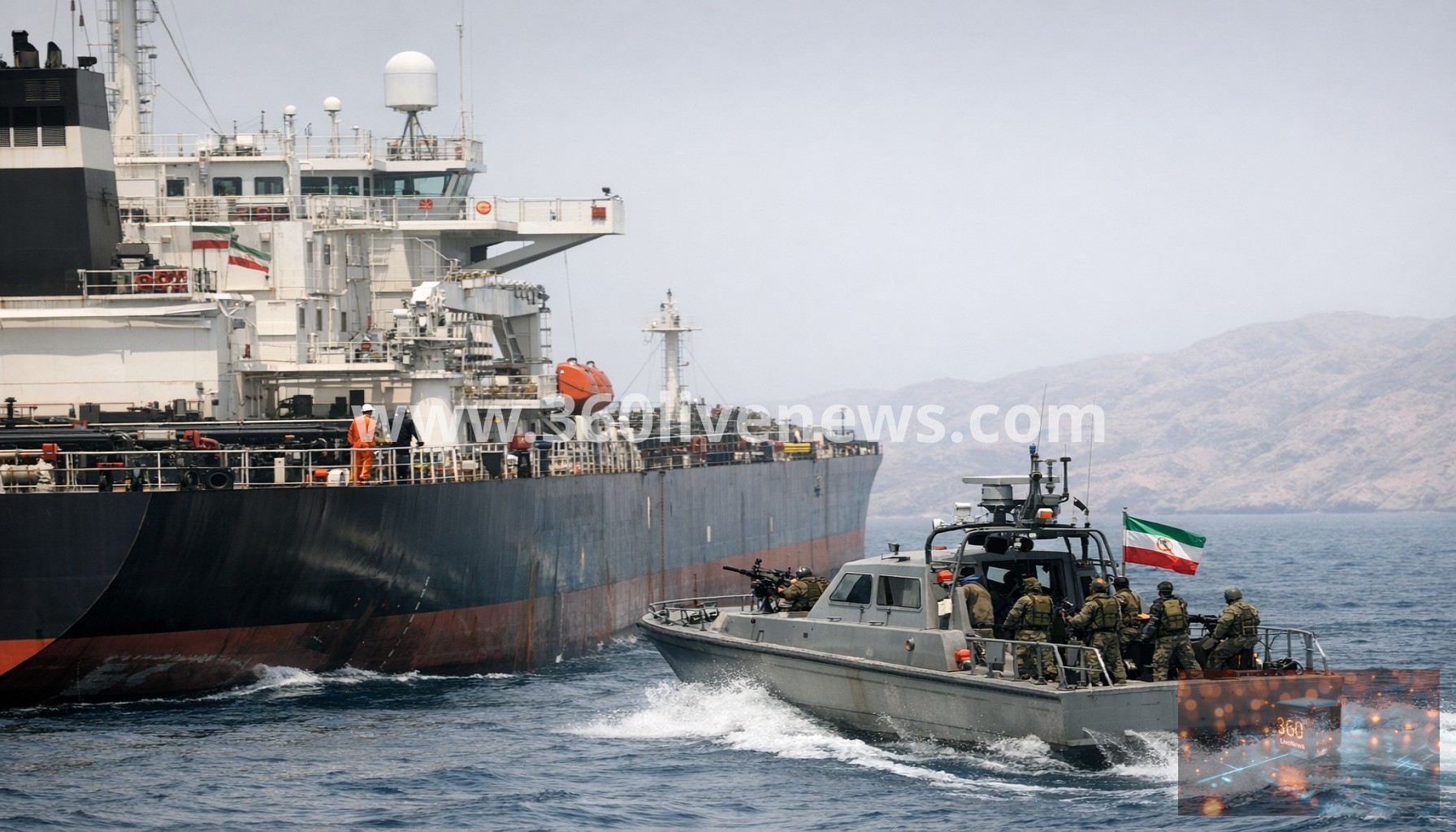
The United States has enforced a naval blockade at the Strait of Hormuz, turning back six ships attempting to leave the strategic waterway.More than a dozen US warships are positioned in the Gulf of Oman and Arabian Sea to maintain the blockade.Officials confirmed that none of the encounters with the vessels required escalation, indicating controlled enforcement of the blockade.The US naval presence acts as a "net" to restrict maritime traffic in the area.This blockade is part of the ongoing conflict involving the US and Iran, with significant implications for regional security and global energy supplies.The Strait of Hormuz is a... [Continue Reading]
 360LiveNews | 14 Apr 2026 20:06 LONDON


Fuel Price Protests Disrupt Traffic in Belfast
Slow-moving tractors have caused significant traffic disruption on the Sydenham Bypass in Belfast as demonstrators protest rising energy bills.The protests are linked to the surge in fuel prices driven by the ongoing US-Israel conflict with Iran and the closure of the Strait of Hormuz, a key oil shipping route.Tractors were observed moving slowly in both directions near Belfast City Airport, leading to delays.Police have advised motorists to allow extra time for their journeys due to the congestion.Health Minister Mike Nesbitt urged protesters not to block roads, emphasizing that such disruptions could threaten lives by impeding healthcare workers from reaching patients.Meanwhile,... [Continue Reading]
360LiveNews | 14 Apr 2026 12:33 LONDON

UN urges Israel and Lebanon to pursue diplomacy amid ongoing Middle East tensions
Israel and Lebanon are preparing for diplomatic talks scheduled to occur in Washington. In advance of these discussions, the United Nations Secretary-General has issued a statement urging both parties to exhaust all available diplomatic avenues to end ongoing hostilities. Simultaneously, a blockade remains in place on the Strait of Hormuz, a vital global maritime chokepoint, continuing to impact international trade routes and food security. This blockade contributes to broader regional instability and economic disruption. The area is also experiencing an ongoing humanitarian crisis. While specific operational impacts or casualty figures are not detailed, the combination of political tension, trade disruptions,... [Continue Reading]
Breaking-360LiveNews | 14 Apr 2026 12:32 LONDON

President Trump Signals Potential Blockade of Strait of Hormuz in Truth Social Post
President Donald Trump posted on Truth Social at 14 April 2026 at 02:54 UTC: "https://www.washingtonpost.com/opinions/2026/04/13/trump-blockade-strait-hormuz-iran-war/" What this means: President Donald Trump's post on Truth Social at 14 April 2026 02:54 UTC signals a possible U.S. policy to impose a blockade on the Strait of Hormuz, a critical global oil shipping route, indicating increased pressure on Iran and signaling a more confrontational stance in the region. This raises the risk of heightened tensions and potential disruption to global energy markets. Probability assessment: There is a moderate to high probability that this post reflects a preparatory or rhetorical stance toward imposing maritime... [Continue Reading]
Breaking-360LiveNews | 14 Apr 2026 02:54 LONDON
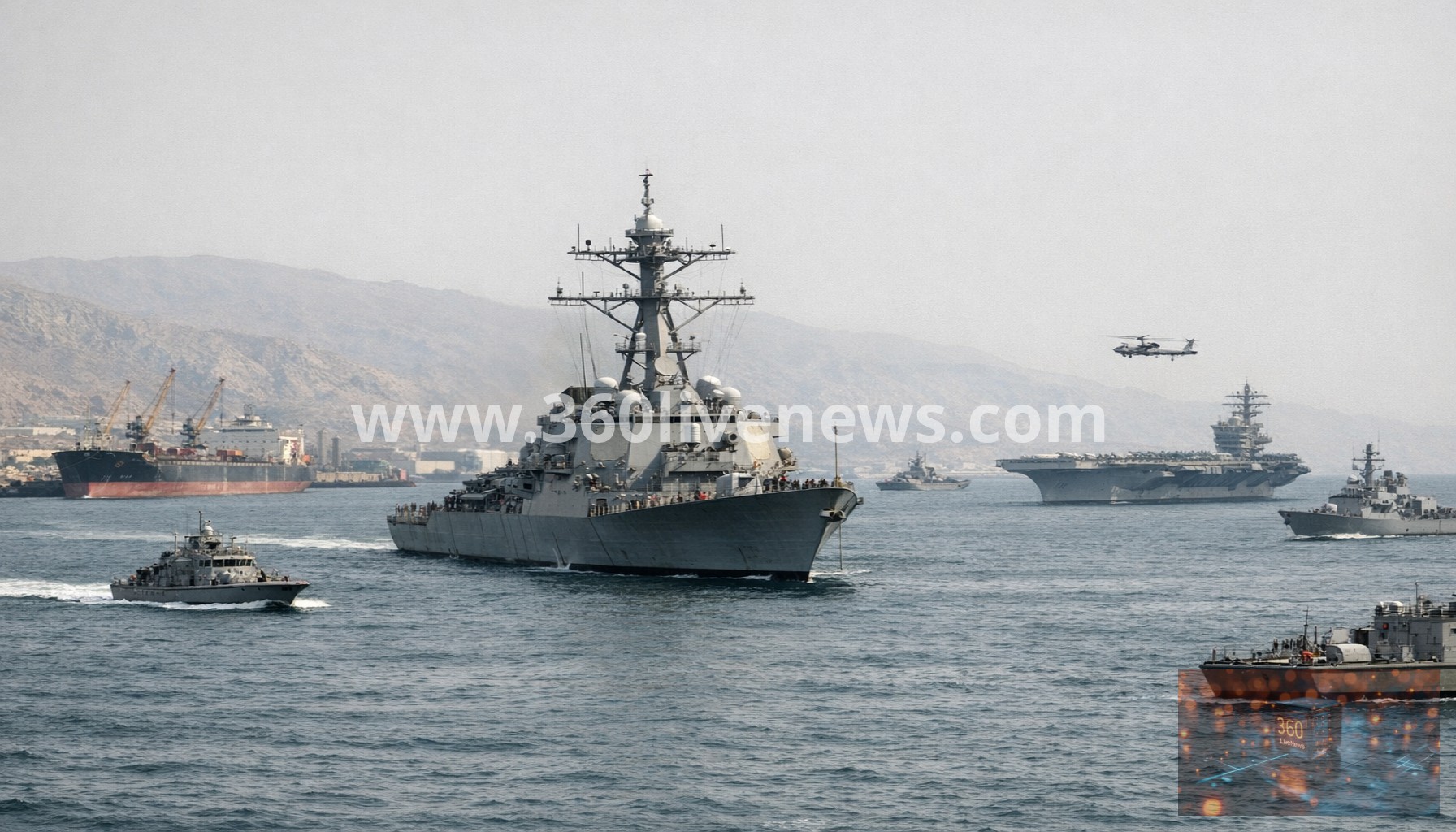

US Begins Blockade of Strait of Hormuz Amid Iran Tensions
The United States has initiated a blockade of the Strait of Hormuz, a strategic waterway critical for global energy shipments, in an effort to pressure Iran amid escalating tensions.The US military has started enforcing the blockade, although specific operational details remain limited.Iran has condemned the move, accusing the US of piracy.Thousands of Iranians have rallied in Tehran to protest the blockade, signaling strong domestic opposition to the US action.This blockade marks a significant escalation in the ongoing conflict between the US and Iran, following recent hostilities including rocket attacks by Hezbollah and US-Israeli bombardments in Tehran.The Strait of Hormuz is... [Continue Reading]
360LiveNews | 14 Apr 2026 02:30 LONDON


US imposes blockade on Iranian ports following failed peace talks
The United States has initiated a blockade of Iranian ports as of Monday, following unsuccessful peace negotiations over the weekend.This military action marks a significant escalation in tensions between the two countries.US President Donald Trump issued a warning via social media that any Iranian fast attack ships attempting to breach the blockade will be "immediately eliminated." The blockade aims to restrict maritime access to Iran, impacting regional and global shipping routes.The move comes amid heightened security concerns in the Strait of Hormuz, a critical chokepoint for global oil shipments.Tehran has responded by urging its citizens to gather outside potential US... [Continue Reading]
360LiveNews | 13 Apr 2026 19:36 LONDON
President Trump highlights record 34 ships through Strait of Hormuz amid closure period
President Donald Trump posted on Truth Social at 13 April 2026 at 16:33 UTC: "34 Ships went through the Strait of Hormuz yesterday, which is by far the highest number since this foolish closure began. President DONALD J. TRUMP" What this means: President Donald Trump's post signals a focus on the increased maritime traffic through the Strait of Hormuz, framing it as a rebuttal to ongoing closure efforts, which may imply a push for maintaining open navigation and a tough stance on restrictions in this strategic waterway. Probability assessment: It is highly probable that this post reflects an intent to... [Continue Reading]
Breaking-360LiveNews | 13 Apr 2026 16:33 LONDON

UK Rejects US Proposal for Naval Blockade in Strait of Hormuz
The United Kingdom, under Prime Minister Keir Starmer, has officially rejected participation in the naval blockade of the Strait of Hormuz as announced by US President Donald Trump. Starmer stated unequivocally to the BBC that the UK will resist pressure and avoid involvement in any conflict escalation, emphasizing Britain's stance against being drawn into war. While British mine countermeasure vessels and anti-drone capabilities remain active in the Middle East, the UK will not deploy naval ships or personnel to enforce a blockade of Iranian ports. In parallel, France and the UK are planning a conference to discuss restoring freedom of... [Continue Reading]
Breaking-360LiveNews | 13 Apr 2026 14:44 LONDON

Iran Threatens Retaliation Against Persian Gulf and Oman Sea Ports Amid U.S. Naval Blockade Threat
The Armed Forces of the Islamic Republic of Iran have threatened retaliatory measures targeting ports in the Persian Gulf and the Sea of Oman should the security of Iranian ports in these regions become threatened. This warning was issued by the Khatam al-Anbiya Central Headquarters and was published by state media on Monday the 13th. Iran's military statement emphasized that the security of ports in the Persian Gulf and the Sea of Oman must be guaranteed collectively, warning that if Iranian port security is jeopardized, no ports in these waters would remain safe. The declaration labeled the U.S. naval blockade... [Continue Reading]
Breaking-360LiveNews | 13 Apr 2026 13:43 LONDON
European Gas Prices Surge as U.S. Imposes Naval Blockade on Iran
European gas prices surged following escalating tensions between the United States and Iran. The increase was triggered by the U.S. announcement of a naval blockade on vessels entering or leaving Iranian ports after unsuccessful ceasefire negotiations. On the Dutch gas market, prices jumped about 12% to nearly 49 euros per megawatt-hour for May delivery, with an overnight spike reaching 51 euros, up almost 18%. Brent crude oil prices rose more than 7% to above 102 dollars per barrel, while U.S. WTI crude increased over 8% to just under 105 dollars. The U.S. president declared the blockade effective immediately, with military... [Continue Reading]
Breaking-360LiveNews | 13 Apr 2026 10:54 LONDON

President Trump signals US Strait of Hormuz blockade in response to Iran's provocations
President Donald Trump posted on Truth Social at 13 April 2026 at 08:10 UTC: "Trump brilliantly calls Iran’s bluff, with his own Strait of Hormuz blockade: https://nypost.com/2026/04/12/opinion/trump-brilliantly-calls-irans-bluff-with-his-own-strait-of-hormuz-blockade/" What this means: President Donald Trump publicly signals a US naval blockade of the Strait of Hormuz, indicating a hardline posture towards Iran and escalation of tensions in a critical global shipping chokepoint. This suggests the US may be prepared to use military or economic leverage to counter Iranian threats to international shipping and oil exports. Probability assessment: There is a high probability that this statement signals an increased US willingness to adopt... [Continue Reading]
Breaking-360LiveNews | 13 Apr 2026 08:10 LONDON
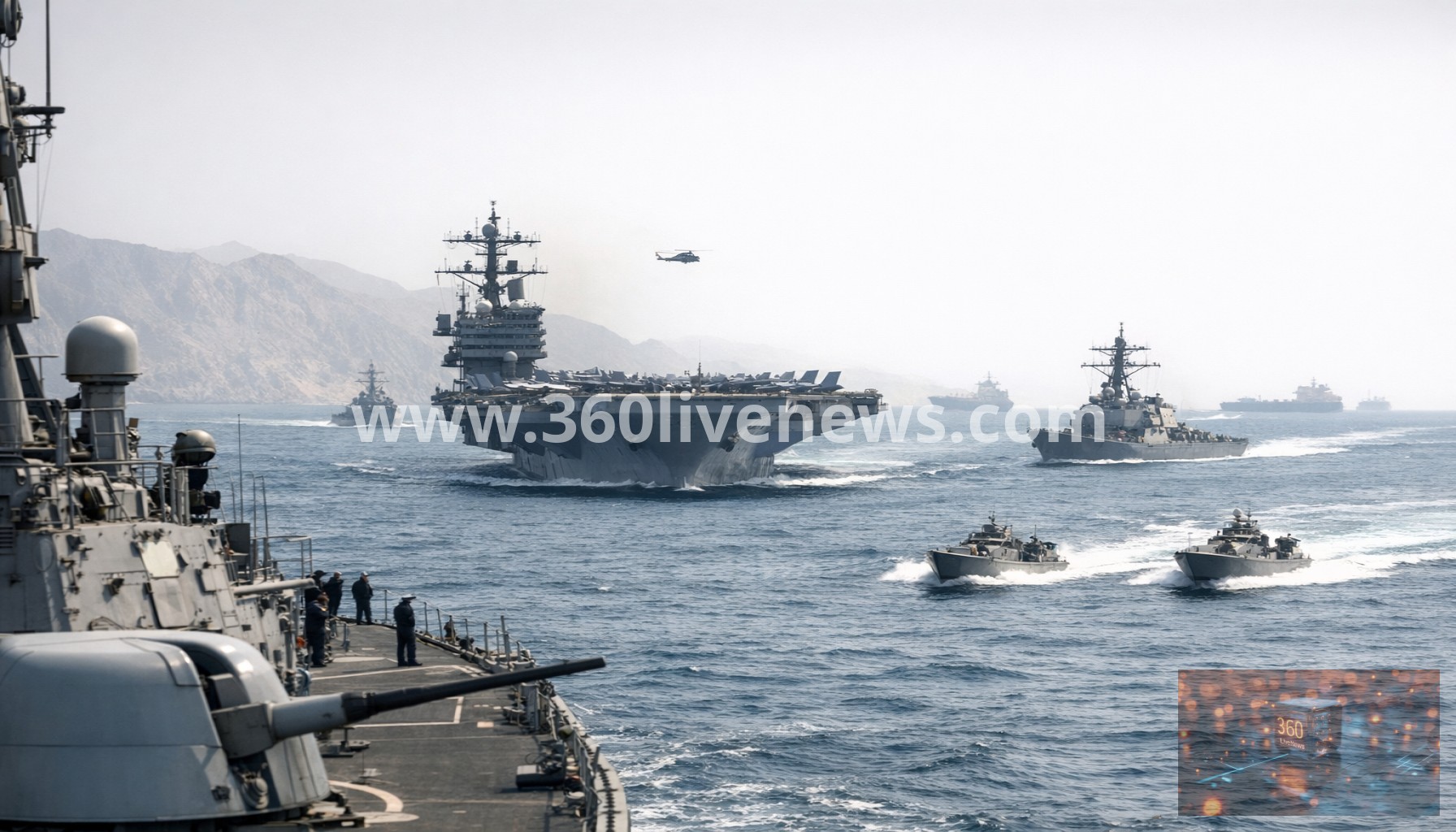

UK Refuses to Join US Blockade of Iranian Ports in Strait of Hormuz
The United Kingdom has announced it will not participate in the United States-led naval blockade of Iranian ports in the Strait of Hormuz.British naval forces will refrain from enforcing the blockade but will continue minesweeper and anti-drone operations in the region.The US declared the blockade following unsuccessful peace talks with Iran, aiming to restrict Iranian port access and control shipping through this strategic waterway.US Central Command confirmed its forces would enforce the blockade impartially on vessels entering and leaving Iranian ports.UK government officials emphasized their continued support for freedom of navigation and the reopening of the Strait of Hormuz to... [Continue Reading]
360LiveNews | 13 Apr 2026 03:00 LONDON
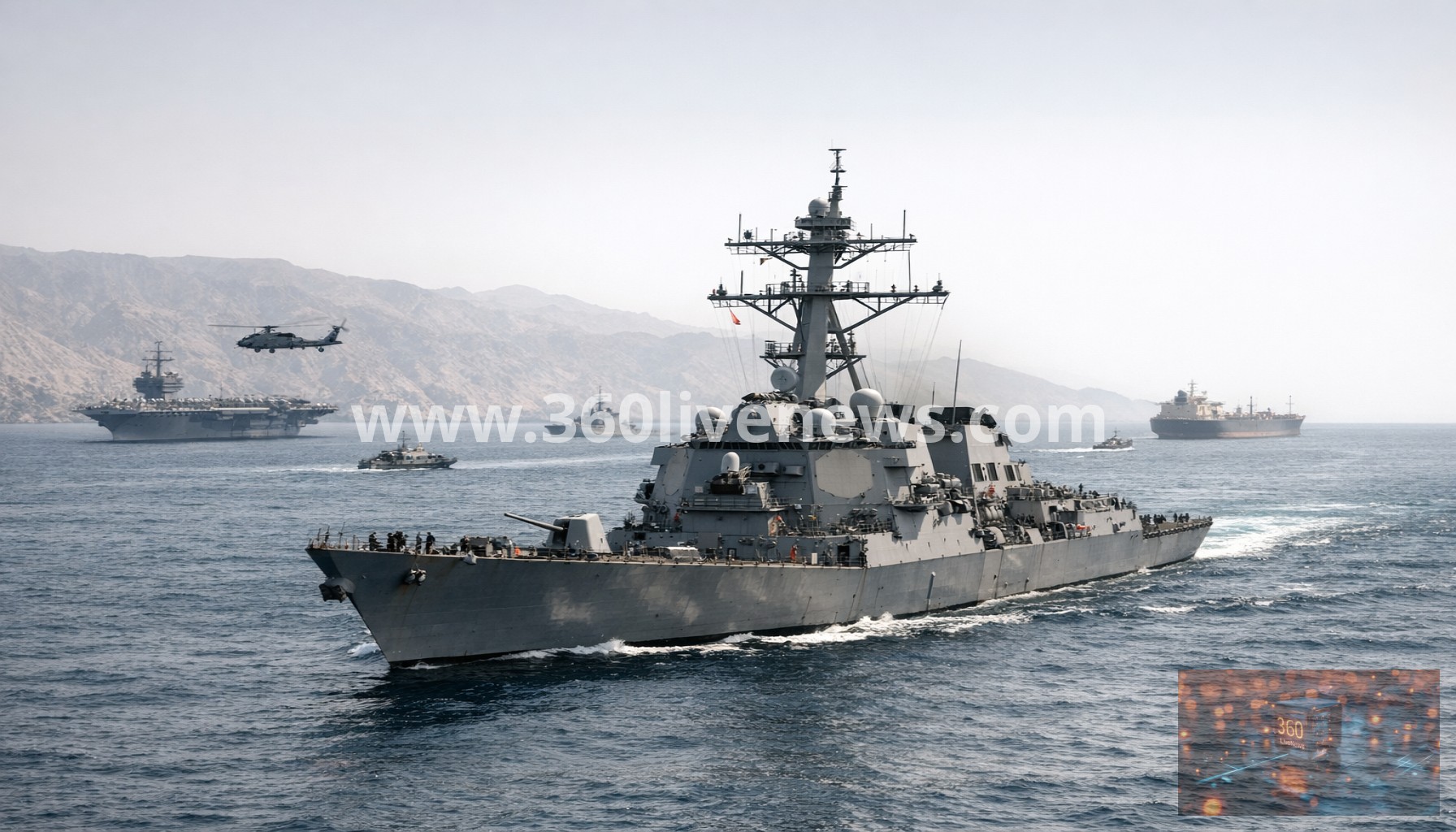

US Navy initiates blockade of Strait of Hormuz following failed US-Iran negotiations
The United States Navy has commenced a blockade of the Strait of Hormuz, effective immediately, following unsuccessful peace talks between the US and Iran in Islamabad.President Donald Trump announced the naval blockade and interdiction of vessels that have paid tolls to Iran for passage through the strategic waterway.The blockade order was issued after Iran failed to agree to terms regarding its nuclear program during high-level negotiations involving US Vice President JD Vance and Iran's parliamentary speaker Mohammad Bagher Ghalibaf.The talks, described as a marathon session, ended without a deal.President Trump stated that the US Navy would interdict any vessel in... [Continue Reading]
360LiveNews | 12 Apr 2026 16:33 LONDON
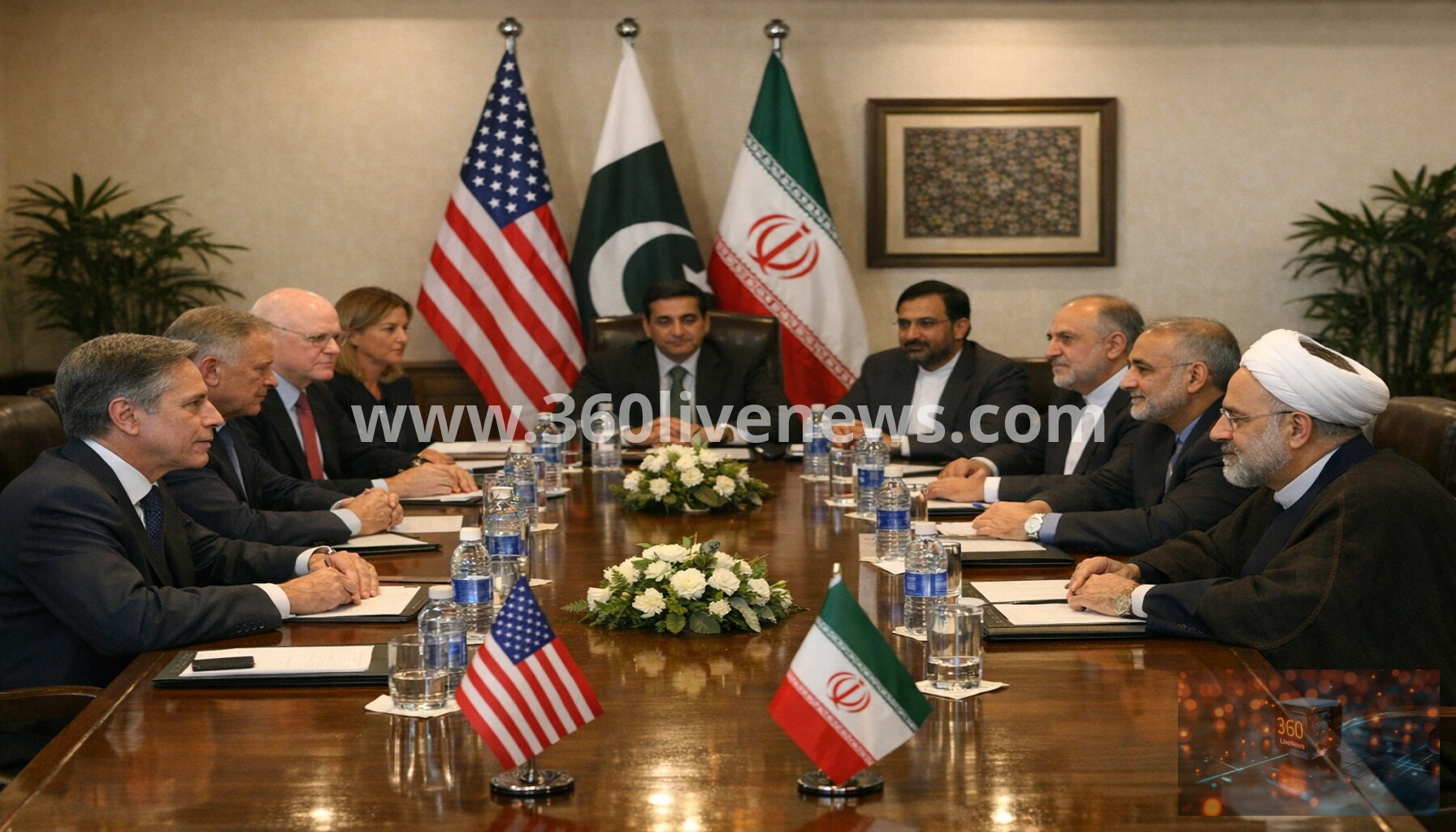

US and Iran Hold Historic Direct Negotiations in Pakistan Amid Strait of Hormuz Tensions
Delegations from the United States and Iran met directly in Islamabad, Pakistan, on April 11, 2026, marking the first such talks since 1979.The negotiations aim to end a six-week conflict that has heightened regional tensions.The talks involved senior officials including US Vice President JD Vance and Iranian Parliamentary Speaker Mohammad Baqer Qalibaf, alongside Foreign Minister Abbas Araqchi.The discussions lasted approximately two hours and were mediated by Pakistan, with its army chief Asim Munir also present.During the talks, the control of the Strait of Hormuz emerged as a critical issue.The US military announced it had begun clearing mines from the strait,... [Continue Reading]
360LiveNews | 11 Apr 2026 22:30 LONDON

Tanker Operators Advised Against Paying Iran Toll for Strait of Hormuz Passage
Following a ceasefire agreement on April 8, 2026, Iran has demanded toll payments from ships passing through the Strait of Hormuz, a critical maritime route.However, tanker operators have been advised not to comply with these demands due to safety and legal concerns.Iran has indicated that ships must seek its permission to transit the strait or risk being "targeted and destroyed." The country has also suggested it may levy fees for safe passage, a move that has raised alarm among international shipping groups.Phillip Belcher, representing Intertanko, which advocates for 190 independent tanker operators and over half of the global oil tanker... [Continue Reading]
360LiveNews | 11 Apr 2026 00:33 LONDON

Shipping traffic in the Strait of Hormuz nearly halted amid rising threat of Iranian sea mines and tensions with the IRGC
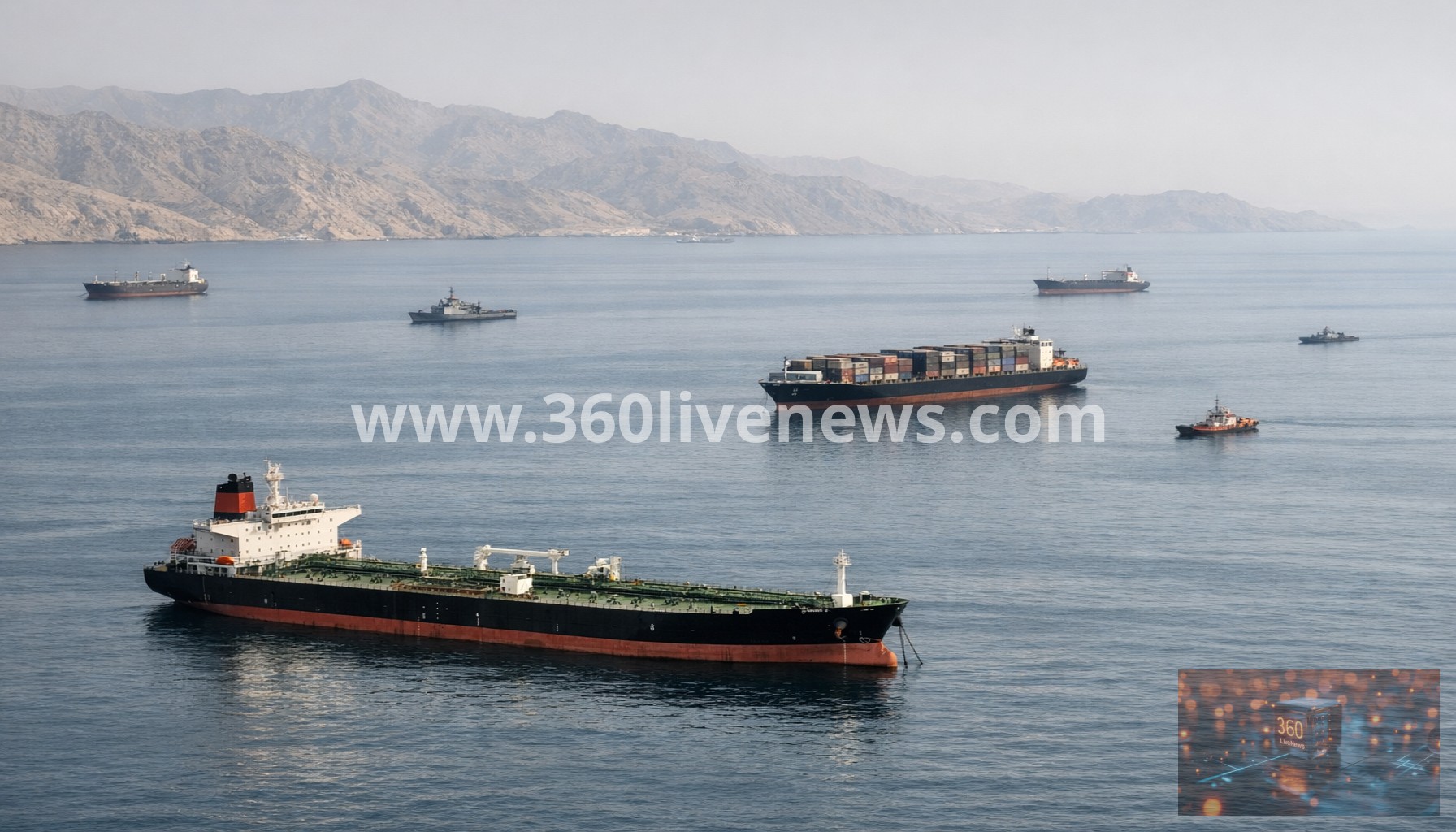
The situation in the Strait of Hormuz has reached a critical juncture as shipping traffic remains nearly at a standstill due to the rising threat of Iranian sea mines. The tensions have escalated following recent actions by Iran's Islamic Revolutionary Guard Corps (IRGC), which issued a map showing a so-called "danger zone" where these mines are purportedly deployed. This strategic maneuver appears aimed at consolidating Tehran's influence over this vital maritime passageway, crucial for global oil shipments. The Iranian assertion of the sea mine threat follows a series of negotiations meant to facilitate the reopening of the strait for shipping.... [Continue Reading]
360LiveNews | 10 Apr 2026 19:23 LONDON

EU Airline Industry Warns of Jet Fuel Shortages if Strait of Hormuz Remains Closed
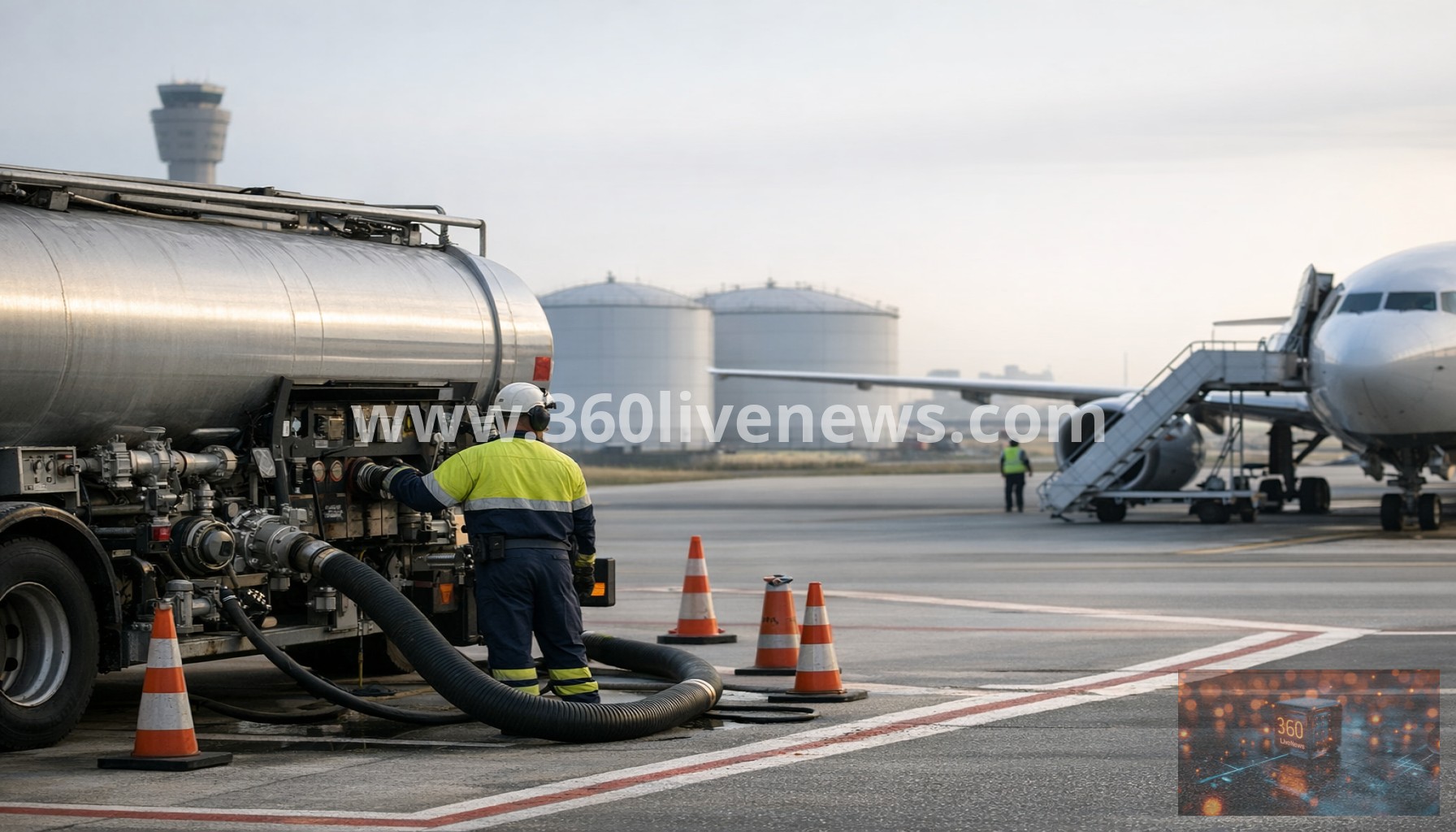
Europe faces a potential jet fuel shortage within three weeks if the Strait of Hormuz remains closed, according to the continent's airport trade body.The Persian Gulf region supplies about half of Europe's aviation fuel imports, making the closure a significant threat to air travel.Airports Council International (ACI) Europe has expressed increasing concerns about jet fuel availability, especially with the summer tourism season approaching.Smaller airports are considered particularly vulnerable to supply disruptions.Several airlines worldwide have already responded by cutting flights and raising passenger charges amid fears of fuel shortages.The price of European jet fuel recently reached a record high of $1,838... [Continue Reading]
360LiveNews | 10 Apr 2026 17:18 LONDON


US Vice-President JD Vance Leads Delegation to Pakistan for Peace Talks Amid US-Iran Tensions
The diplomatic efforts to resolve ongoing tensions between the United States and Iran are intensifying as US Vice-President JD Vance and a delegation embark on a crucial journey to Pakistan for peace talks. These discussions, expected to commence on Saturday, have emerged following a two-week ceasefire negotiated with Pakistan's assistance, aiming to bring an end to the conflict. Meanwhile, both sides have recently accused each other of violating this ceasefire, further heightening the stakes. Vice-President Vance has emphasized the United States' commitment to engaging in negotiations while cautioning Iran against any deceptive maneuvers. He stated, "America is willing to extend... [Continue Reading]
360LiveNews | 10 Apr 2026 15:12 LONDON

Traffic in Strait of Hormuz nearly halted amid escalating conflict between Iran, Israel, and the United States
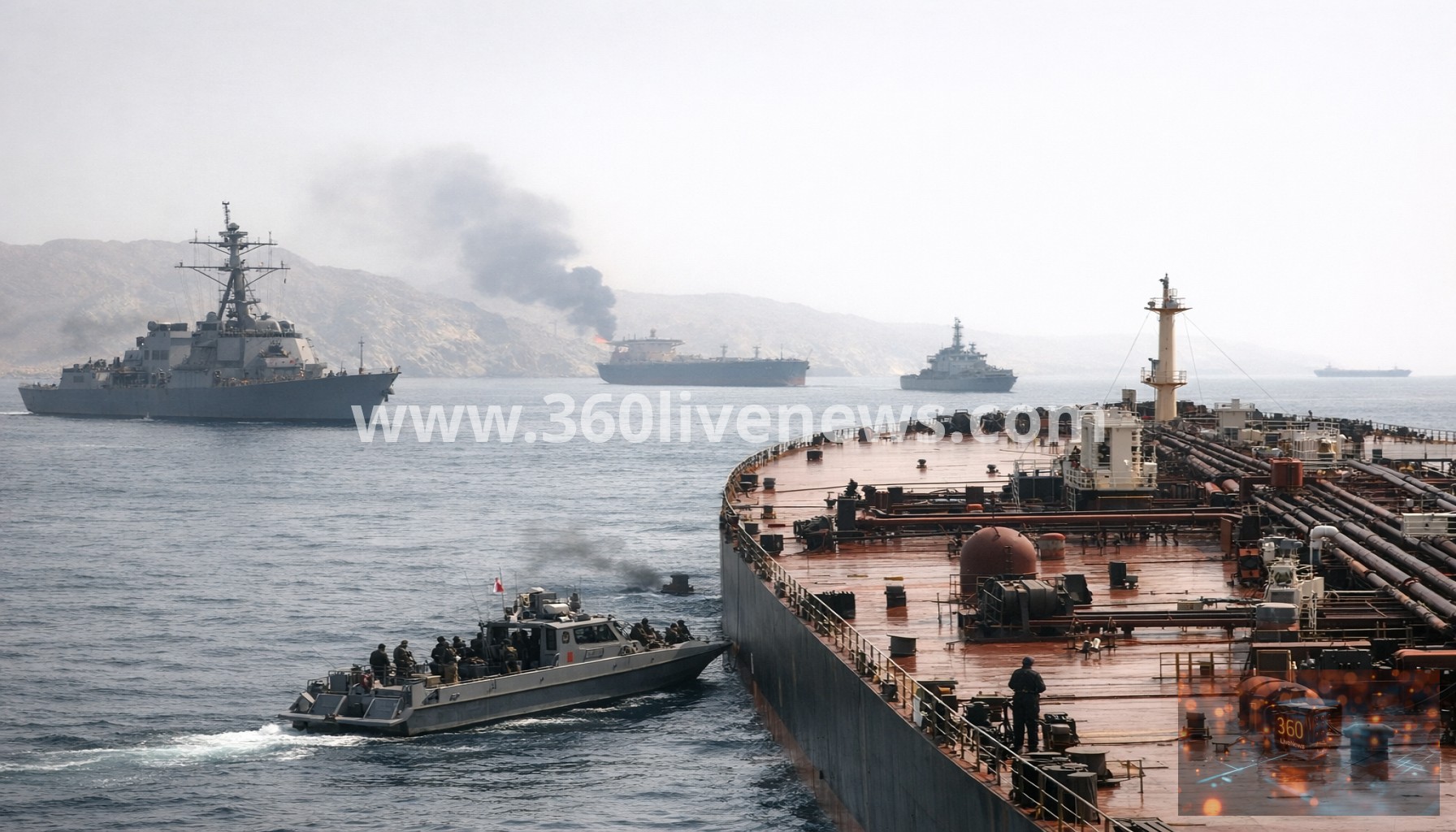
The situation in the Strait of Hormuz has intensified as conflict continues between Iran and external powers, particularly Israel and the United States. Reports indicate that in the last 24 hours, traffic through this vital shipping channel has come to a near standstill, despite Iran's recent conditional lifting of its blockade. This development comes against the backdrop of a fragile ceasefire that appears to be faltering, with ongoing hostilities impacting not just regional stability but also global oil prices. Initial reactions to the ceasefire agreement, which was purported to ease tensions, have quickly turned tentative as hostilities ramp up again.... [Continue Reading]
360LiveNews | 10 Apr 2026 05:02 LONDON
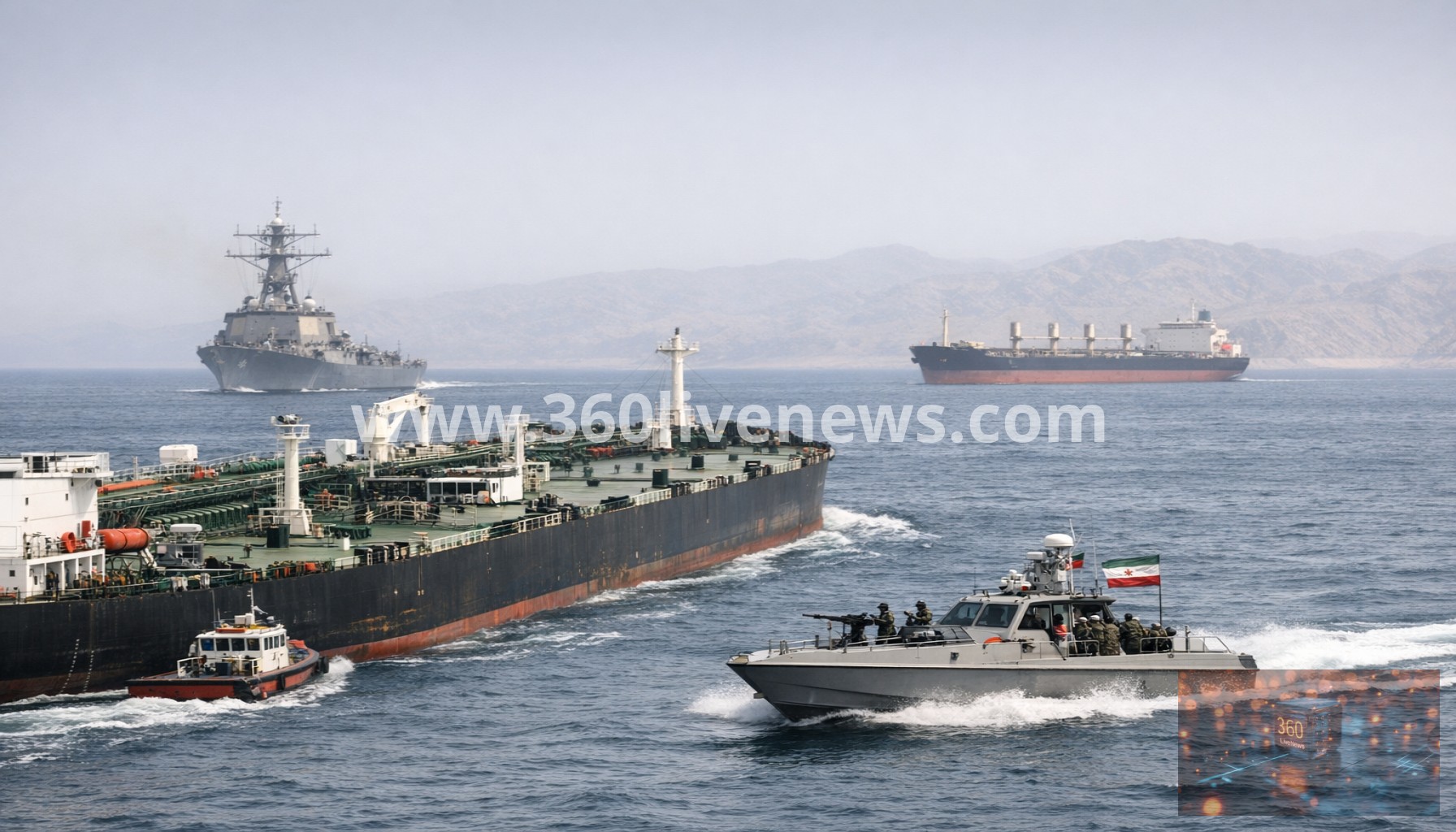

Shipping operations in Strait of Hormuz remain disrupted despite US-Iran ceasefire agreement
Shipping operations in the critically important Strait of Hormuz remain severely disrupted following a ceasefire agreement between the United States and Iran, which was announced on Tuesday. The agreement intended to establish a temporary two-week pause in the ongoing hostilities between the two nations but has not resulted in the expected increase in maritime traffic. Reports indicate that only a few vessels have successfully transited the strait since the ceasefire was declared, raising concerns over one of the most significant energy supply disruptions the world has faced. This situation has implications for global oil markets, supply chains, and regional stability.... [Continue Reading]
360LiveNews | 10 Apr 2026 03:31 LONDON
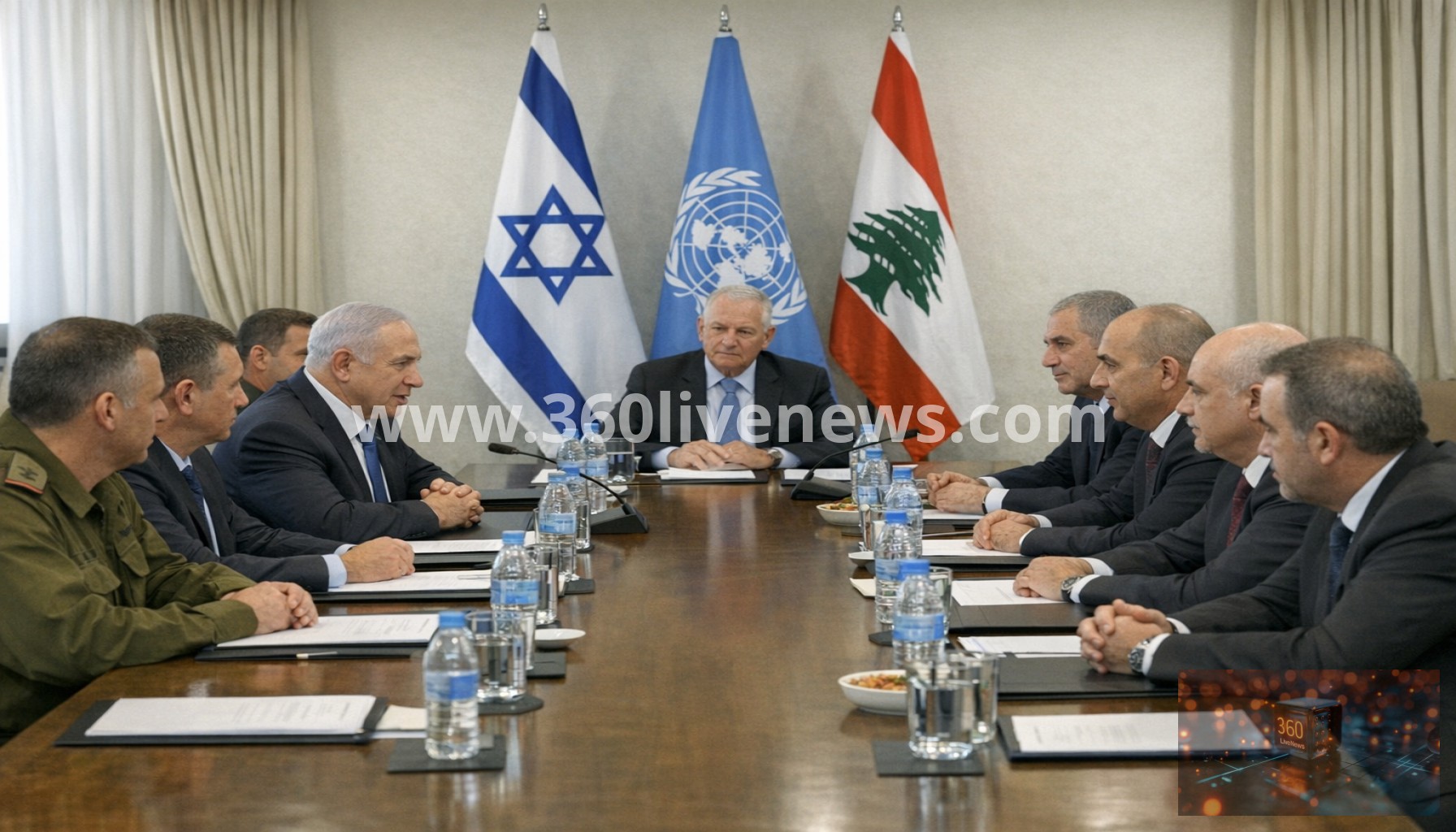

Israel to Begin Direct Negotiations with Lebanon to Address Security Concerns and Disarm Hezbollah Militants
Israeli Prime Minister Benjamin Netanyahu has announced that Israel will begin direct negotiations with Lebanon aimed at addressing ongoing security concerns, notably disarming Iranian-backed Hezbollah militants. This decision comes as reports indicate that Israel's military actions in Lebanon continue to escalate, profoundly affecting the tenuous ceasefire currently in place between the United States and Iran. The talks are expected to take place next week at the U.S. State Department in Washington as international stakeholders express grave concerns over the potential collapse of this fragile ceasefire. The impetus for the forthcoming discussions is underscored by the rising military activity in the... [Continue Reading]
360LiveNews | 10 Apr 2026 03:08 LONDON
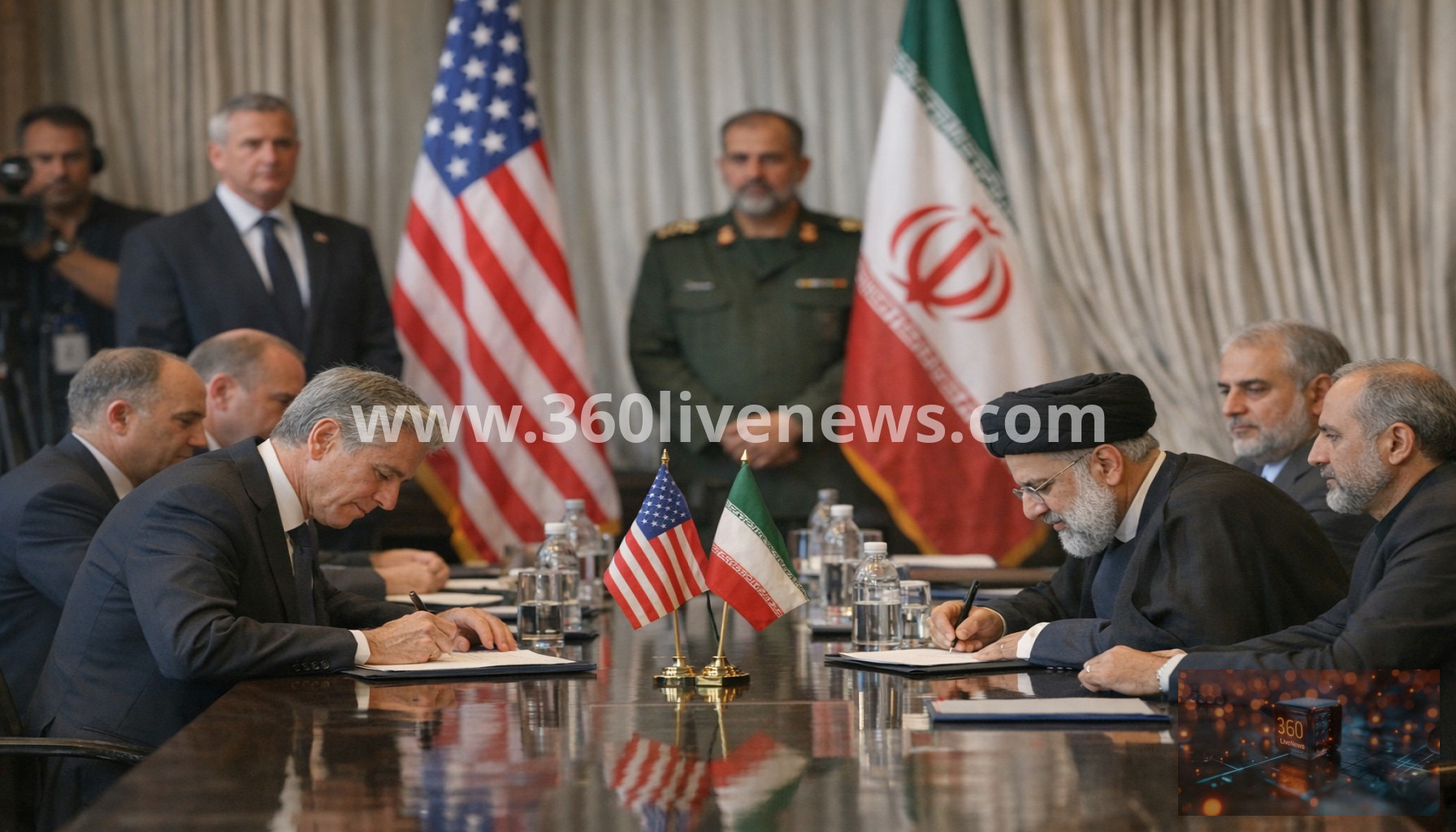

Ceasefire between the United States and Iran highlights shifting regional power dynamics in the Middle East
Recent developments have brought a fragile ceasefire between the United States and Iran into focus, marking a significant pause in hostilities that have raged for weeks. The outcome of these tensions has not only heightened the stakes in the Middle East but has also sidelined Israel's strategic objectives, leading to a complex interplay of regional power dynamics. U.S. President Donald Trump's administration has faced criticism for its handling of the situation, particularly regarding contradictory statements that have left many confused about the future of the Strait of Hormuz, the world's most crucial oil shipping lane. On 9 April, a press... [Continue Reading]
360LiveNews | 09 Apr 2026 19:22 LONDON
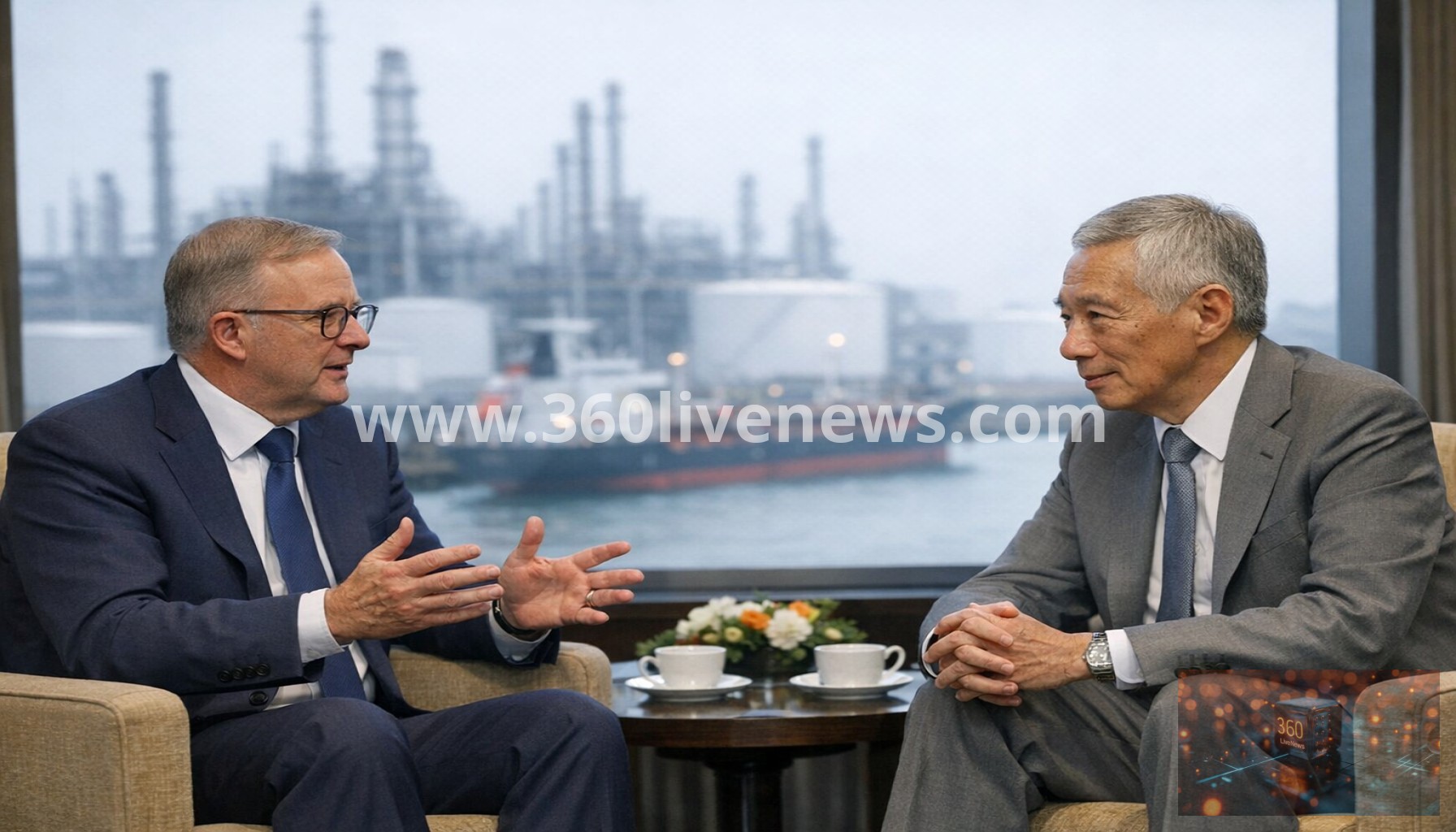

Albanese Discusses Australia's Fuel Supply with Singapore's Prime Minister Amid Global Oil Market Disruptions
Prime Minister Anthony Albanese is currently in Singapore, engaging in discussions with his counterpart, Prime Minister Lawrence Wong, regarding Australia's fuel supply amidst ongoing disruptions in the global oil market. Singapore is a critical refining hub, supplying about half of Australia’s petrol. However, significant disruptions are affecting fuel production in Singapore due to the ongoing tensions in the Strait of Hormuz, which have halted the flow of crude oil necessary for the city-state's refineries. Reports confirm that for over a month, the Strait of Hormuz has effectively been closed, impacting the delivery of approximately two-thirds of the crude oil that... [Continue Reading]
360LiveNews | 09 Apr 2026 19:16 LONDON


Strait of Hormuz operational status disputed amid Iran-US ceasefire negotiations
The situation regarding the Strait of Hormuz remains contentious as recent statements reveal conflicting reports about its operational status amid ongoing ceasefire negotiations between Iran and the United States. Secretary of Defense Pete Hegseth stated that the Strait has been reopened, calling for global support to maintain its safety. However, this assertion has been met with skepticism. Reports from vessels in the Gulf indicate that they have received communications from the Iranian Navy warning that the strait remains closed. The message explicitly stated, "Any vessel trying to travel into the sea will be targeted and destroyed," suggesting a continued military... [Continue Reading]
360LiveNews | 09 Apr 2026 11:44 LONDON


Ceasefire Established Between US and Iran Allows Conditional Maritime Activity in Strait of Hormuz
A fragile ceasefire between the United States and Iran has been established, introducing a conditional window for maritime activity through the Strait of Hormuz. This truce, announced on the night of April 7, comes just hours before a new wave of US military strikes were anticipated. Despite this temporary halt in hostilities, the situation remains precarious and the implications for global energy supplies are complex. European Union energy spokesperson Anna-Kaisa Itkonen emphasized on April 8 that the energy crisis induced by these tensions is not expected to resolve quickly. "We should be under no illusion that this crisis that is... [Continue Reading]
360LiveNews | 08 Apr 2026 14:45 LONDON


Iran, US, and Israel Agree to Two-Week Ceasefire Starting Wednesday
In a significant development in Middle Eastern geopolitics, Iran, the United States, and Israel have agreed to a two-week ceasefire effective Wednesday. This agreement comes as U.S. President Donald Trump has notably reduced his aggressive rhetoric towards Iran, which had previously included threats to "destroy Iranian civilisation." The ceasefire announcement coincides with Trump’s ultimatum for Iran to reopen the strategic Strait of Hormuz, a critical passageway for global oil shipments, or face potential military actions targeting Iranian infrastructure. According to reports, this ceasefire marks a crucial moment, following escalated tensions between the involved nations. The ceasefire is expected to offer... [Continue Reading]
360LiveNews | 08 Apr 2026 12:09 LONDON


US and Iran agree to two-week ceasefire, reopening Strait of Hormuz after 40 days of conflict
A significant development has unfolded in the Middle East as the United States and Iran have reached a two-week ceasefire agreement, halting 40 days of US-Israeli attacks on Iran. This truce, which has been brokered by Pakistan, not only aims to ease escalating tensions but also serves to reopen the critical Strait of Hormuz for shipping, a vital route for oil and gas exports. The announcement marks a pivotal moment in a protracted conflict that has significantly impacted regional security and global markets. The ceasefire agreement indicates a temporary cessation of hostilities, with both the United States and Israel halting... [Continue Reading]
360LiveNews | 08 Apr 2026 10:09 LONDON


Iran and the US agree to a conditional two-week ceasefire ahead of peace negotiations in Islamabad
Following a turbulent period marked by escalating hostilities, Iran and the United States have agreed to a conditional two-week ceasefire. This significant breakthrough was announced early Wednesday, just hours ahead of a deadline set by US President Donald Trump, who had previously threatened severe repercussions if diplomatic efforts failed to yield results. The ceasefire allows for peace negotiations which are expected to commence in Islamabad, Pakistan, on Friday. The agreement includes provisions for safe passage through the critical Strait of Hormuz, through which approximately 20 percent of the globe's oil reserves transit. Iran's Foreign Minister confirmed that the ceasefire would... [Continue Reading]
360LiveNews | 08 Apr 2026 09:10 LONDON


Trump warns of dire consequences for Iran if Strait of Hormuz is not reopened, raising concerns over military escalation
In a dramatic escalation of rhetoric, US President Donald Trump issued a startling warning regarding Iran that shocked international observers. Trump declared on social media that “a whole civilization will die tonight,” demanding Iran reopen the critical Strait of Hormuz, which is vital for global oil transport. This statement follows a series of inflammatory remarks from the president, wherein he suggested he would blast Iran into “oblivion,” raising significant concerns about the implications of his language and the potential for military escalation. Just hours earlier, Trump’s rhetoric had intensified as he threatened military action against Iranian infrastructure, including bridges and... [Continue Reading]
360LiveNews | 08 Apr 2026 06:13 LONDON


US and Iran agree to two-week ceasefire with support from Israel amid ongoing diplomatic efforts in Islamabad
The United States and Iran have entered into a two-week ceasefire agreement, a development that has also garnered the endorsement of Israel. This truce comes as last-minute diplomatic efforts led by Pakistan averted impending US airstrikes, signalling a crucial moment for regional stability. The exact timing of the implementation of this ceasefire and ongoing talks is set to commence in Islamabad as reports from the region indicate persistent attacks, underscoring the fragile nature of the agreement. President Donald Trump characterised the ceasefire as a "total and complete victory" for the United States, reaffirming his stance during a brief telephone interview... [Continue Reading]
360LiveNews | 08 Apr 2026 03:09 LONDON


Trump Announces Two-Week Ceasefire with Iran Linked to Strait of Hormuz Access, Oil Prices Drop Significantly
In a notable escalation in global geopolitics, US President Donald Trump has declared a two-week ceasefire with Iran, contingent upon the reinstatement of free passage through the crucial Strait of Hormuz. This announcement has prompted a significant decline in oil prices, with Brent crude falling by 15.5% to $92.80 per barrel and US-traded oil decreasing by about 16.5% to $93.80. The declaration of the ceasefire comes amid heightened tensions between the United States and Iran, which escalated following ongoing military actions involving both nations. Trump emphasized the agreement's conditional nature, stating that it hinges on Iran's willingness to permit "the... [Continue Reading]
360LiveNews | 08 Apr 2026 00:09 LONDON